

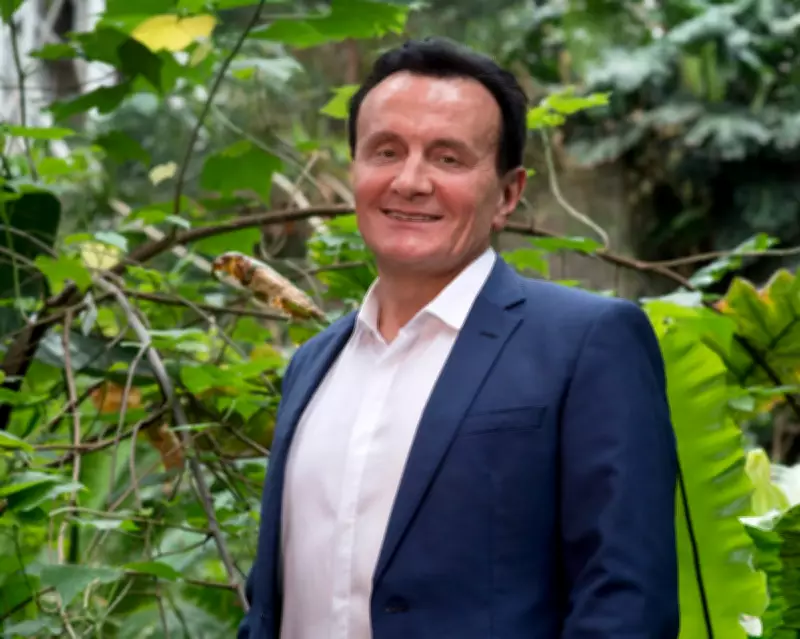
AstraZeneca CEO Pascal Soriot's Pay Rises to £17.7m Amid Strong Profits
Pascal Soriot, the chief executive of AstraZeneca, Britain's largest pharmaceutical company, has seen his total remuneration increase by 6.4% to £17.7m for the last year. This pay rise comes as the drugmaker reports robust profit growth, despite the cancellation of significant investment projects in the UK.
Details of Soriot's Compensation Package
According to AstraZeneca's annual report released on Tuesday, Soriot's pay package for the year included a salary of £1.5m, annual bonuses totaling £4.3m, and long-term share bonuses worth £11.6m. This represents an increase from his £16.6m compensation in 2024, though it falls short of the potential maximum package of £25m that could have been achieved if all performance targets were met.
The higher pay reflects a 32% surge in AstraZeneca's share price over the past year, driven by an 8% rise in revenues to $58.7bn, largely fueled by strong sales of cancer treatments. Profits also climbed by 11%, underscoring the company's financial health. AstraZeneca currently boasts 16 blockbuster medicines with annual sales exceeding $1bn each and aims to expand this portfolio to 25 by 2030, supported by more than 100 late-stage clinical trials currently underway.

Controversy and Future Prospects
Despite the company's improved performance, Soriot's pay has been a point of contention, having made him the highest-paid CEO of a listed company in the UK for several consecutive years, sparking shareholder rebellions. This trend aligns with broader findings from the High Pay Centre, which reported in August that bosses of Britain's largest listed companies received record-high pay packets for the third year running. For instance, the current and former CEOs of Melrose, Peter Dilnot and Simon Peckham, collectively took home nearly £59m in the previous financial year, primarily from long-term incentive payments.
In a notable development, AstraZeneca cancelled a planned £450m expansion of its vaccine site in Speke, near Liverpool, and halted a £200m research investment in Cambridge, its headquarters. These decisions followed disputes between the pharmaceutical industry and the UK government over drug pricing and the availability of new medicines on the NHS, such as the breast cancer infusion Enhertu, which remains accessible only privately.
Looking Ahead
For the current year, Soriot is poised for a potential total pay of up to £19.6m, comprising a £1.6m salary, £4.3m in annual bonuses, a £2.1m share grant, and a possible £11.6m bonus from a long-term performance plan. This could once again position him as the UK's highest-paid chief executive.
Since joining AstraZeneca from Swiss rival Roche in August 2012, Soriot has played a pivotal role in revitalizing the company's drug pipeline, fending off a hostile takeover bid from US competitor Pfizer in 2014, and collaborating with the government to roll out one of the first Covid-19 vaccines, developed in partnership with Oxford University. His leadership continues to shape AstraZeneca's trajectory in the global pharmaceutical landscape.






