

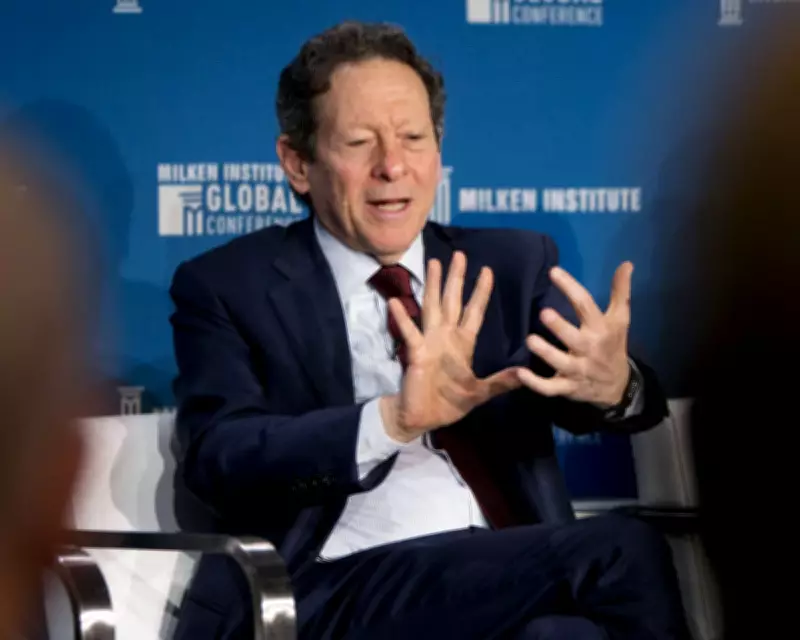
Hyatt Chairman's Past Associations with Epstein and Maxwell Draw Corporate Scrutiny
Thomas Pritzker, the executive chairman of the global hospitality giant Hyatt Hotels Corporation, is currently under intense examination due to his historical connections with the convicted sex offender Jeffrey Epstein and his accomplice Ghislaine Maxwell. This renewed focus comes as corporate governance analysts and stakeholders demand greater transparency regarding the ethical standards and past affiliations of high-profile business leaders.
Details of the Associations Emerge
Reports indicate that Pritzker had social and professional interactions with both Epstein and Maxwell during the late 1990s and early 2000s. These associations were part of broader elite social circles, but they have now resurfaced in light of the serious criminal convictions involving Epstein and Maxwell. Epstein died in jail in 2019 while awaiting trial on sex trafficking charges, and Maxwell was later convicted for her role in facilitating his crimes.
Corporate watchdogs are emphasizing that while Pritzker has not been accused of any wrongdoing himself, his past links raise important questions about due diligence and the reputational risks faced by major corporations. In today's business environment, where ethical conduct is paramount, such associations can impact investor confidence and public perception.

Hyatt's Response and Corporate Governance Implications
Hyatt Hotels has issued a statement acknowledging Pritzker's past acquaintances but stressing that he has had no contact with Epstein or Maxwell for many years. The company asserts its commitment to strong ethical practices and robust governance frameworks. However, experts argue that this situation highlights a broader issue in corporate leadership: the need for continuous vetting of associations and proactive management of reputational risks.
Governance specialists point out that companies like Hyatt, with a significant global presence, must navigate complex social networks while maintaining impeccable standards. The scrutiny on Pritzker serves as a reminder that even historical ties can become focal points for public and investor concern, especially in an era of heightened awareness around social justice and accountability.
Broader Impact on the Hospitality Industry
The hospitality sector, known for its reliance on brand reputation and customer trust, is particularly sensitive to such controversies. Hyatt, as a leading player, faces potential challenges in maintaining its image amid this scrutiny. Industry analysts note that competitors may leverage this situation to highlight their own ethical standings, potentially affecting market dynamics.
Moreover, this case underscores the importance of transparency in corporate communications. Stakeholders, including customers, employees, and investors, are increasingly demanding clarity on the backgrounds of top executives. As a result, companies are being urged to implement more rigorous background checks and ongoing monitoring of leadership associations.
In conclusion, while Thomas Pritzker remains a respected figure in the business world, his past links to Jeffrey Epstein and Ghislaine Maxwell have ignited a necessary conversation about corporate ethics and governance. This development may prompt other firms to reevaluate their own leadership vetting processes to avoid similar scrutiny in the future.






