Primark's Historic Split from Associated British Foods
In a landmark corporate restructuring, FTSE 100 conglomerate Associated British Foods has confirmed its long-anticipated demerger from Primark, its budget fashion retail powerhouse. The separation, scheduled for completion next year, will create two independent publicly traded companies, both expected to maintain their positions within the prestigious FTSE 100 index.
The Unlikely High Street Alliance
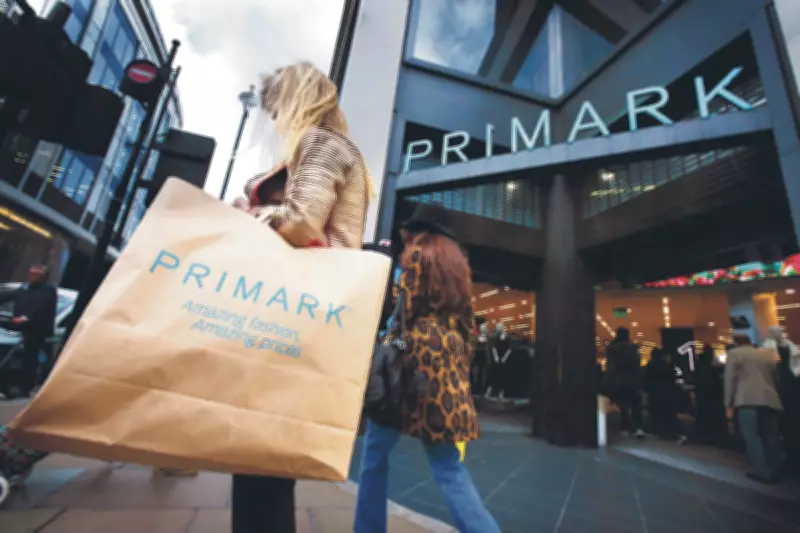
Enter any major Primark location, such as the bustling Oxford Street flagship, and you'll encounter more than just affordable clothing. The strategic partnership with Greggs bakery, marked by distinctive blue lighting, highlights a shared business philosophy between these two retail titans. Both companies have steadfastly maintained their commitment to affordability while competitors increasingly target premium market segments. This alignment extends to their ambitious expansion strategies, with Greggs planning 120 new store openings this year and Primark targeting entry into its 21st international market.
Primark's resilience appears particularly noteworthy given the current retail landscape. While fast fashion platforms like Temu and Shein reshape consumer expectations, Primark continues to demonstrate remarkable staying power, defying industry trends that suggest fast fashion is becoming unfashionable.

Weston Family's Corporate Crossroads
The demerger represents a significant strategic shift for the billionaire Weston family, Britain's sixth-wealthiest dynasty, which has controlled Associated British Foods since its founding by Willard Garfield Weston in 1935. The conglomerate's journey from regional bakery acquisitions to its 1994 London Stock Exchange listing has been marked by steady growth, with the family's charitable Garfield Weston Foundation receiving £202 million in dividends just last year.
However, recent financial performance has revealed underlying challenges. ABF's share price has experienced sustained decline since 2024, punctuated by multiple profit warnings that have raised questions about the conglomerate's diversified business model. Chief executive George Weston publicly expressed frustration last April regarding the underperformance of ABF's sugar division, which analysts describe as being in structural decline.
Financial Pressures Mount
The conglomerate's latest financial results paint a concerning picture. Revenue across ABF's sugar business fell by 5.8 percent to £971 million, with particular weakness in its Spanish sugar operation, Azucarera. This decline extended beyond sugar, affecting nearly every division except retail—the very segment now being spun off.
ABF's grocery division, encompassing brands like Kingsmill, Twinings, and Jordans cereals, saw revenue decrease by 0.8 percent to £2.1 billion. This downturn was attributed to multiple external pressures, including elevated cocoa costs and the impact of Trump-era tariffs. The company's financial reporting also highlighted broader geopolitical concerns, citing potential supply chain disruptions from the Strait of Hormuz blockade and weakening consumer confidence that could "deteriorate further."
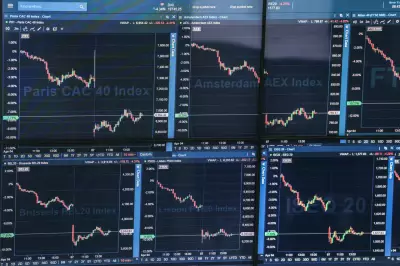
Overall, group revenue declined by two percent to £9.5 billion, while pre-tax profit fell more sharply by nine percent to £632 million. The market responded negatively to these results, with ABF's share price initially dropping seven percent before stabilizing at a two percent decline, leaving the stock at 1,844p—representing a thirteen percent decrease year-to-date.
Primark's Standalone Prospects
While the demerger announcement captured headlines, analysts suggest the share price reaction primarily reflected ABF's disappointing financial performance rather than concerns about the separation itself. The strategic review announced last year had largely "priced in" the demerger possibility, making Tuesday's confirmation less surprising to market observers.
Primark's financial contribution to the conglomerate reveals why its independence appears promising. Although historically generating approximately fifty percent of ABF's revenue, the budget retailer typically accounts for about seventy percent of group profit, according to analyst Dan Lane. This disproportionate profitability highlights Primark's operational efficiency and market strength.

New chief executive Eoin Tonge, a Dubliner like Primark's corporate origins, assumes leadership at a pivotal moment. The retailer's recent performance demonstrates remarkable resilience, with overall sales growing two percent despite challenging economic conditions. UK like-for-like sales increased by 1.3 percent, though European performance proved weaker with a 5.6 percent decline in comparable sales.
Diverging Corporate Futures
Market analysts express contrasting views about the two entities' post-separation prospects. Adam Vettesse, market analyst at eToro, described the timing as potentially problematic for ABF: "Stripped of Primark's cash generation, the standalone Food business faces immediate market scrutiny with US tariff headwinds battering Twinings and Patak's, sugar in structural decline, and no clear recovery catalyst on the horizon."
Primark's unique market position offers some insulation from economic pressures. While the retailer could experience sales declines if inflation concerns prompt consumer spending cuts, its reputation for basic, cost-efficient clothing makes it less vulnerable to discretionary spending reductions than trend-focused competitors. The brand's peculiar loyalty among British shoppers—who represent nearly half its market—provides a stable foundation even during economic uncertainty.
This consumer attachment contrasts sharply with ABF's portfolio of food brands, which consumers regularly purchase but rarely develop passionate connections with. As Primark prepares to navigate the FTSE 100 independently, this brand loyalty may prove to be its most valuable asset in an increasingly competitive retail environment.