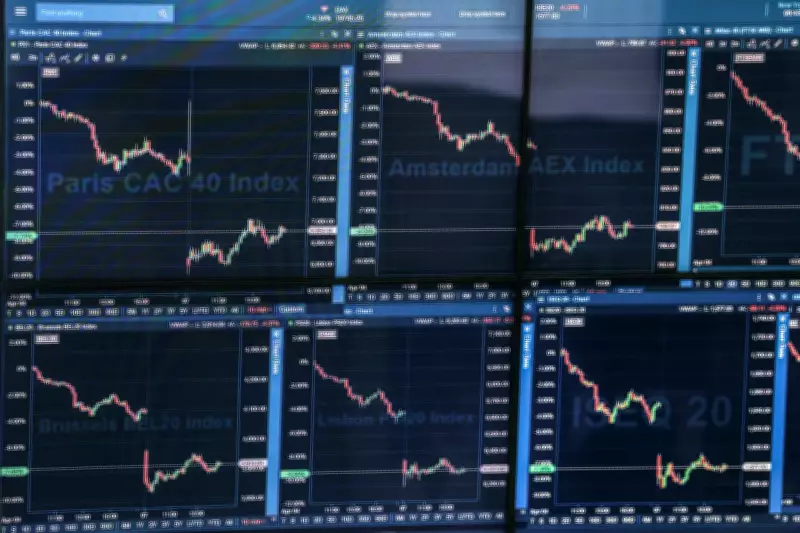
New research has uncovered a significant financial burden on investment funds operating in Europe, with fragmented stock trading markets leading to annual losses amounting to millions of pounds. This fragmentation, driven by disparate regulatory frameworks and trading venues across European nations, is creating substantial inefficiencies that directly impact fund performance and investor returns.
The High Cost of Market Disunity
The study highlights how the lack of a unified trading system in Europe forces funds to navigate multiple platforms and jurisdictions, resulting in elevated transaction costs and operational complexities. This disjointed environment not only increases expenses but also hampers liquidity and price discovery, making it harder for funds to execute trades optimally. As a consequence, these funds are bleeding resources that could otherwise be reinvested or passed on to clients.
Implications for the Financial Sector
This ongoing fragmentation poses a serious challenge to the competitiveness of European financial markets. Investment managers are calling for greater harmonization to streamline processes and reduce unnecessary expenditures. The research underscores the urgent need for regulatory reforms that could foster a more cohesive trading landscape, potentially saving funds substantial sums and enhancing market stability.

In summary, the findings paint a stark picture of how structural issues in European stock trading are eroding fund profitability, with millions lost each year due to avoidable fragmentation. Addressing these inefficiencies is crucial for sustaining a robust and efficient financial ecosystem in the region.