

The global mining sector is poised for a potential seismic shift as two of its titans, Rio Tinto and Glencore, have confirmed they are engaged in preliminary discussions regarding a possible combination of their businesses. A full merger would create a behemoth valued at approximately $260 billion (£120 billion), including debt, sending shockwaves through the industry and financial markets.
Why This Time Could Be Different
While talks of a Rio-Glencore union have circulated for years, culminating in aborted negotiations at the end of 2024, several factors suggest a deal may now be more plausible. Firstly, the appointment of Simon Trott as Rio Tinto's new chief executive marks a shift in leadership style. Trott is perceived as more open to transformative mega-deals than his predecessor, whose caution was shaped by Rio's infamous and costly acquisition of Alcan in 2007.
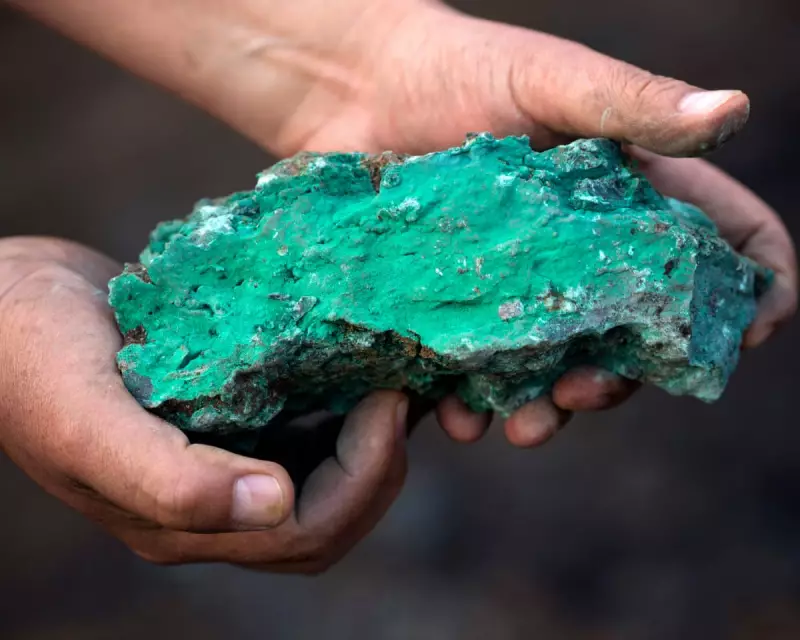
Secondly, the deal-making landscape has been fundamentally altered by the recent $50 billion merger between Anglo American and Canada's Teck Resources. That deal was driven by a strategic rush for copper, the metal critical for global electrification and the energy transition. A combined Rio and Glencore entity would be a copper powerhouse. According to analysis from investment bank Jefferies, the merged company would derive a third of its earnings from copper if its coal assets were excluded, boasting "world-class iron ore, aluminium and copper assets with significant growth in copper."

Significant Hurdles Remain on the Path to a Deal
Despite the momentum, formidable obstacles persist. The most significant is the stark cultural and operational difference between the two firms. Rio Tinto is a traditional pure-play miner, while Glencore's roots and a major profit centre lie in the volatile world of commodity trading. Furthermore, Rio's 2018 exit from coal under investor pressure creates a major strategic dilemma: would it be willing to re-enter the sector by absorbing Glencore's substantial coal portfolio?
The market's immediate reaction hinted at its belief that a transaction of some kind is likely. Upon news of the talks, Glencore's share price jumped 9%, while Rio's fell 2%, indicating investors see Glencore as the likely beneficiary of a takeover premium. However, Rio's shareholders may baulk at paying a high price, especially after the Anglo-Teck deal was struck with a zero-premium structure.
A Sector-Wide Domino Effect
The renewed talks are set against a backdrop of heightened consolidation fever in mining, which tends to see frenzied merger activity every 15 years. Glencore's CEO, Gary Nagle, has publicly advocated for the creation of larger companies to achieve synergies and attract capital. The move also appears pre-emptive, with the sector's largest player, BHP, potentially on the prowl after its failed bids for Anglo American in 2024. Rio may be seeking to secure Glencore's coveted copper development projects before its rival can.
Rio Tinto now has a four-week window to formalise an offer or walk away. The ultimate challenge for Simon Trott will be convincing his own investors that a deal, which would dramatically reshape the company's profile and risk exposure, is worth the price and integration complexity at what may be a frothy moment in the market cycle.






