Sainsbury's Issues Warning Over Iran War Impact on Customers and Business
Sainsbury's has issued a stark warning that the ongoing conflict in Iran will significantly impact both its customers and its business operations, even as the supermarket giant reported a modest increase in annual profits. The FTSE 100 grocer announced a pre-tax profit of £619 million for the year ending in February, marking a two per cent rise from the previous year, while total sales grew by five per cent.
Food Inflation Concerns Intensify Amid Market Pressures
Concerns over escalating food inflation have intensified in recent weeks, with industry experts predicting that price growth could surge into double digits this year. Chief executive Simon Roberts emphasized that he remains relentlessly focused on delivering value to customers, pledging to do everything possible to support them through these challenging times. However, the grocer's underlying retail profit declined by more than one per cent to £1 billion, attributed to significant operating cost inflation and an increasingly competitive market environment.
Supermarket executives are now urging the government to provide energy bill support to help mitigate the need for price hikes that would burden shoppers. This call comes as Sainsbury's expressed uncertainty about the duration and extent of the impacts from the Middle East conflict, stating in its results that the situation remains very unpredictable.

Strategic Investments and Competitive Positioning
Rather than passing on the full brunt of cost inflation to consumers, Sainsbury's has invested strategically to maintain its competitive edge while refreshing its store network. The company affirmed its commitment to making deliberate, balanced choices to sustain its strong market position and expects to continue outperforming the grocery sector in the coming year.
The supermarket delivered a robust Christmas trading update in January, highlighting a 3.3 per cent growth in festive sales and a 3.9 per cent increase to £10 billion. As the UK's second-largest grocer with a 15.6 per cent market share, Sainsbury's trails behind Tesco but maintains a solid four per cent lead over Asda in third place.
Argos Continues to Struggle in Subdued Market
Sainsbury's acknowledged that Argos, which it acquired in 2016, continues to face challenges in a subdued market, with sales increasing only marginally by 0.7 per cent. Analysts have warned that the catalogue retailer is becoming a drag on the grocer's overall performance, having cut over 2,000 jobs and incurred losses exceeding £200 million in its latest financial year.
Previously, Sainsbury's had considered selling the Argos brand but withdrew from talks with Chinese retail giant JD.com. In response to these struggles, the supermarket has established a dedicated Argos management team to accelerate the pace of the retailer's turnaround efforts.
Price Competition and Future Outlook
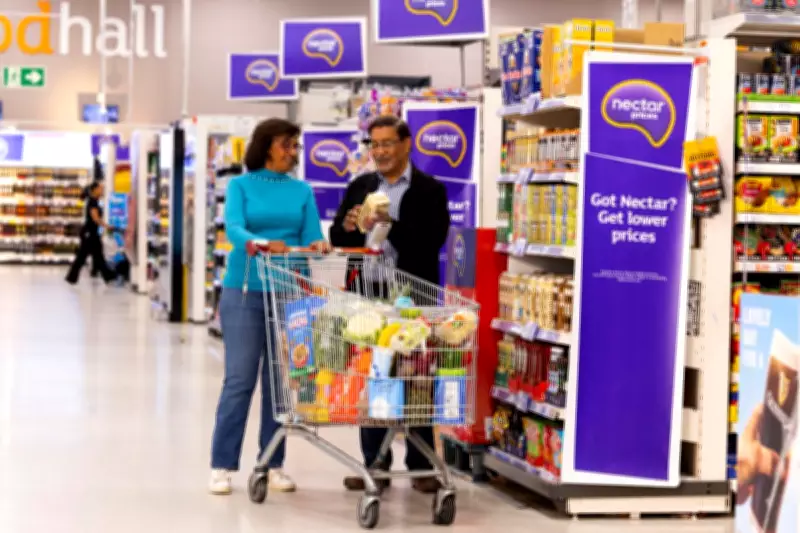
To compete effectively with rivals like Asda and German discounters, Sainsbury's is heavily investing in its cut-price Nectar card ranges and Aldi price-match initiatives. The Nectar Prices scheme has reportedly delivered more than £5.5 billion in savings since its launch in 2023.
Sainsbury's share price closed 0.4 per cent higher at 352p on Wednesday, contributing to a year-to-date increase of more than seven per cent. Despite this positive market performance, the company remains cautious about the broader economic and geopolitical landscape, particularly the uncertain implications of the Iran war on both consumer behavior and business stability.