

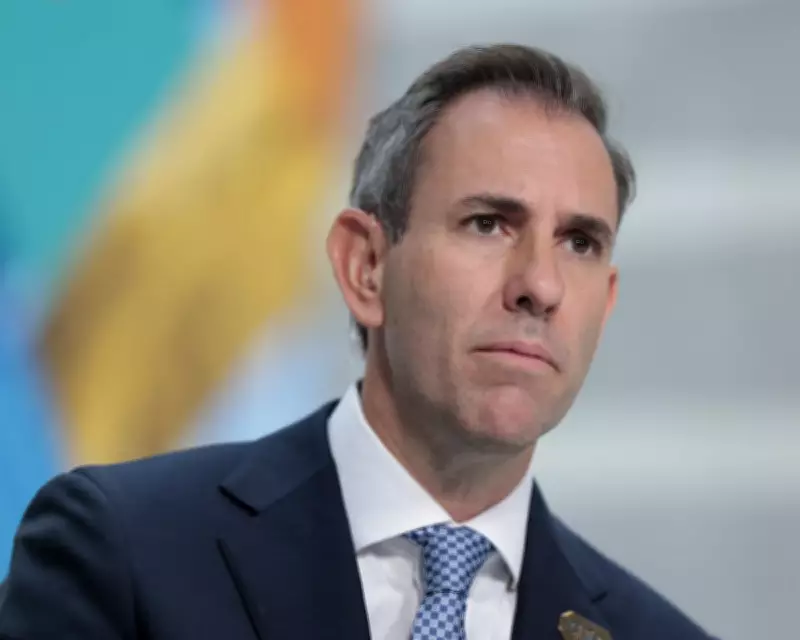
As the global fuel crisis threatens to engulf Australia, Treasurer Jim Chalmers is finalizing a budget that must navigate between panic and preparation. The crisis, triggered by geopolitical tensions in the Middle East, is expected to drive up fuel prices, transport costs, and inflation, potentially leading to higher interest rates and unemployment.
The Calm Before the Storm
Unlike the fast-moving COVID-19 pandemic, this crisis unfolds slowly, with oil tankers traveling at a snail's pace. However, the impact will be devastating: supply chain disruptions, rising fertiliser costs, and increased staple prices. Chalmers must prepare the public without inciting panic.
According to the latest Guardian Essential Report, while a majority of Australians are bracing for harder times, 45% remain unaware of the impending crisis. The prime minister's April 1 address aimed to raise awareness, but critics deemed it insufficient for a slow-moving disaster.

Three Fiscal Bombs to Defuse
Chalmers faces three long-standing challenges: the ballooning NDIS, tax concessions for property investors, and fragile energy supply chains. The NDIS, once a transformative idea, has become an unregulated market ripe for exploitation. Refocusing it on those with severe disabilities is non-negotiable.
Capital gains tax and negative gearing concessions, introduced decades ago, have turned housing into an asset class, exacerbating intergenerational inequity. Meanwhile, Australia's reliance on fossil fuels leaves it vulnerable to global shocks.
Public Support for Reform
The Essential Report shows majority support for action on all three fronts, though housing concessions remain contested. The public backs energy transition, with strong support for renewables despite calls to revive coal and gas.
A Test of Leadership
As the economy slumps, the government must choose between short-term handouts and long-term investments in community resilience. Building sovereign capacity in energy, manufacturing, and social systems is the only rational response to this crisis.
Peter Lewis, executive director of Essential, writes: 'The extent to which politicians meet this new moment of madness will be their real test of leadership.'






