

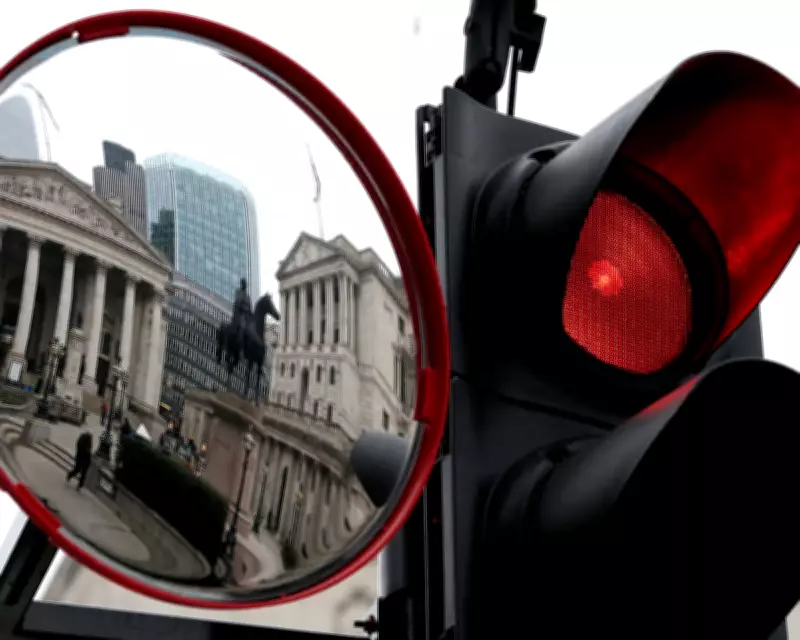
The Bank of England has left interest rates unchanged at 3.75%, but warned that inflation could peak above 6% in a worst-case scenario driven by rising oil prices from the Middle East conflict. The decision, which saw only one dissenter among the nine-member Monetary Policy Committee (MPC), reflects the delicate balance between containing inflation and supporting a weak economy.
Inflation Forecasts and Economic Impact
In its quarterly Monetary Policy Report, the Bank projected that inflation would exceed 3.5% by the end of this year, more than a percentage point higher than pre-war forecasts. Under the most severe scenario, with oil prices hitting $130 a barrel and staying elevated, inflation would peak above 6%. This would likely force interest rates up by at least 1.5 percentage points to 5.25% or higher.
The conflict has already pushed up energy and food prices. The Bank estimates average mortgage repayments will rise by £80 per month, food price inflation could reach 4.6% by autumn, and utility bills will increase in July, remaining high through winter. These pressures are expected to weigh heavily on households already struggling with the cost of living.

Reasons for Holding Rates
Despite the inflation shock, the MPC voted 8-1 to hold rates, with only chief economist Huw Pill dissenting in favor of a hike. The majority cited the weakness of the UK economy as a key reason for restraint. GDP growth is now forecast at just 0.8% this year, lower than previously expected, and unemployment is set to rise to 5.5% next year even under benign scenarios.
Governor Andrew Bailey emphasized that the softer real economy justifies maintaining the current rate for now. He noted that financial markets have already tightened conditions, with borrowing costs rising by more than half a percentage point since the conflict began, effectively doing some of the Bank's work. This market-driven tightening provides headroom that may allow the MPC to delay rate increases.
Second-Round Effects and Risks
The Bank's primary concern is not the direct energy price shock, which it cannot control, but second-round effects where firms raise prices and workers demand higher wages, embedding inflation in the economy. However, with a weak labor market and cautious consumers, policymakers believe these effects may be limited. Bailey stressed that while no rate increase is guaranteed, there is space to accommodate the inflation shock without immediate action.
Nevertheless, some MPC members, including external member Swati Dhingra, expressed readiness to raise rates if necessary, though Dhingra cautioned that there is a limit to how much output loss should be acceptable. The Bank faces a difficult trade-off between higher inflation and weaker growth, both of which will strain household finances.
The decision underscores the challenges facing the UK economy as it navigates the fallout from global geopolitical tensions, with the Bank walking a tightrope between curbing inflation and avoiding further damage to an already fragile recovery.






