

A new analysis from Oxfam and the International Trade Union Confederation (ITUC) reveals that CEO pay increased 20 times faster than worker pay globally in 2025. When adjusted for inflation, worker pay declined by 12% between 2019 and 2025, equating to 108 days of unpaid labor. In contrast, CEO compensation rose by 54% during the same period.
Key Findings
The average CEO received $8.4 million in total compensation in 2025, up from $7.6 million in 2024. Billionaires earned $2,500 per second in dividends in 2025, based on investment portfolios of over 1,000 billionaires. Every two hours, the average billionaire earned more in dividends than the average worker's annual pay. Billionaire wealth hit record highs in 2026, increasing by $4 trillion over 12 months (13.2% from 2025).
US Inequality Worse Than Global Average
In the US, CEO pay rose 20.4 times faster than worker pay in 2025. For 384 S&P 500 CEOs, pay increased by 25% from 2024 to 2025, while average hourly earnings for private-sector workers grew only 1.3%.

Luc Triangle, ITUC general secretary, stated: "This analysis exposes the billionaire coup against democracy and its costs for working people. Companies promise a virtuous cycle, but we see a vicious cycle led by mega corporations – they undermine collective bargaining and social dialogue while billionaire CEOs capture the wealth created by productivity gains."
Gender Pay Gap and Top Earners
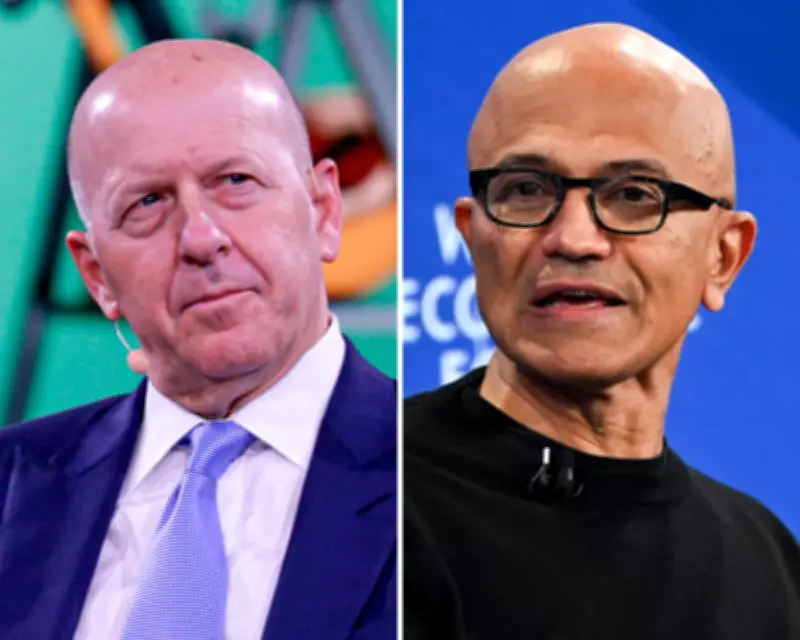
The analysis of 1,500 top corporations across 33 countries found a 16% gender pay gap, with women effectively working for free after November 4 each year. The top 10 highest-paid CEOs earned over $1 billion collectively in 2025. Four corporations – Blackstone, Broadcom, Goldman Sachs, and Microsoft – paid their CEOs more than $100 million each.
Amitabh Behar, executive director of Oxfam International, urged: "We can't continue to let a handful of super-rich people siphon off the rewards of work that belong to millions. Governments must cap CEO pay, fairly tax the super-rich and ensure minimum wages at the very least keep pace with inflation and ensure a dignified living." He added: "These measures can do far more than redistribute income; they can create economies that reward work, invest in communities and hold powerful interests accountable. This is how we turn a system rigged for the few into one that works for everyone."






