

Iran's government is embarking on a high-stakes strategy of economic concessions in a bid to quell nationwide protests now entering their ninth day. The demonstrations, sparked by soaring inflation and a collapsing currency, have escalated into calls for fundamental political change and a crackdown on corruption.
Nationwide Unrest and Government Response
The unrest, which began in Tehran's historic bazaar, has now spread to more than 100 towns and cities across 26 of Iran's 31 provinces. A US-based human rights group reports the death toll has surpassed 20, with nearly 1,000 arrests made. In a significant development, police entered the University of Birjand in southeastern Iran, detaining students.
Facing this pressure, President Masoud Pezeshkian announced a major shift in economic policy. He is abolishing a decade-old system of preferential foreign exchange rates, a mechanism widely criticised for fuelling corruption. "We are not removing subsidies, we are delivering them to the final consumers," Pezeshkian stated, outlining a new plan for direct consumer subsidies intended to replace the old, leaky system.

Economic Pain and International Reactions
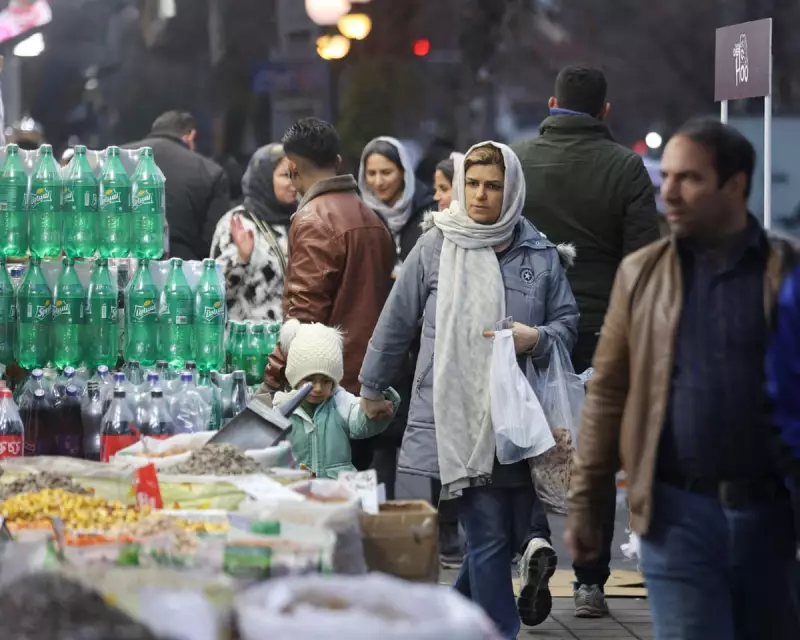
The protests are a direct response to severe economic hardship. Official figures released on Monday revealed annual inflation hit 52.6% in December, compounded by a dramatic collapse in the value of the Iranian rial. The government's revised budget, currently before parliament, proposes measures including pay rises of up to 43%, a cut in value-added tax, and an allocation of $8.8bn in subsidised foreign exchange to control prices of basic goods.
However, this conciliatory economic approach contrasts sharply with the rhetoric from Iran's judiciary. Gholamhossein Mohseni Ejei, the head of the judiciary, declared the period of "concessions and appeasement" over, accusing the United States and Israel of supporting the "chaos."
International figures have weighed in. UN Secretary-General António Guterres urged Iran to respect the right to peaceful protest. Former US President Donald Trump vowed the US would "come to the rescue" of protesters if attacked, a statement Tehran dismissed as "psychological warfare." Israeli Prime Minister Benjamin Netanyahu suggested Iran could be at a "defining moment."
Internal Criticism and the Path Ahead
Criticism is also emerging from within Iran's political establishment. The Reform Front, associated with President Pezeshkian, demanded action against security forces accused of chasing and firing on protesters inside the Imam Khomeini hospital in Malekshahi. Reformist Azar Mansouri described the incident on social media as "a disaster" and called for the perpetrators to be brought to justice.
The future stability of Iran now hinges on a delicate balance. Policymakers must navigate continued US economic sanctions to tackle corruption, stabilise the rial, and reduce inflation, all while addressing chronic issues like industrial shutdowns from electricity shortages. The success or failure of these risky economic concessions will likely determine whether the current wave of protests subsides or grows.






