

Badenoch's North Sea Drilling Push Faces Backlash Over Energy Bill Claims
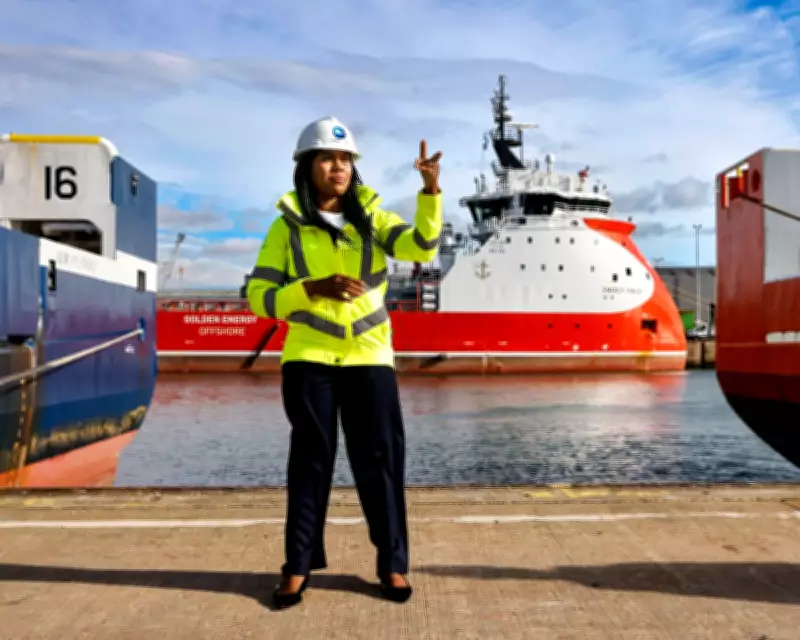
Kemi Badenoch, the Conservative leader, has come under fire for advocating a reversal of the ban on new North Sea oil and gas licenses, with critics labeling her stance a "dangerous fantasy" that fails to address household energy costs. Badenoch is set to launch the party's "get Britain drilling" campaign on Monday from an oil rig near Aberdeen, aiming to boost the fossil fuel sector as part of a drive to reduce energy prices.
Experts Question Efficiency and Impact on Bills
However, energy experts and campaign groups have strongly disputed the effectiveness of this policy. Tessa Khan, executive director of the renewable energy campaign group Uplift, accused Badenoch of "vapid, political game playing at the expense of ordinary people." Khan emphasized that more drilling in the North Sea would not lower energy bills, a point echoed by industry analysts who note that UK production is too small to influence global oil and gas prices.
In 2023, Conservative MP Claire Coutinho, now serving as shadow energy secretary under Badenoch, admitted that new licenses "wouldn't necessarily bring energy bills down" but argued they could enhance supply security. This admission has been highlighted by opponents, including a Labour spokesperson, who stated, "The awkward truth is Badenoch's own shadow energy secretary admitted that new licences would not cut energy bills."

Research Highlights Limited Production from Past Licenses
Recent research by Uplift and the energy consultancy Voar revealed that hundreds of new North Sea licenses granted by the Conservatives between 2010 and 2024 have produced only 36 days of gas, raising questions about the long-term viability of such projects. Despite this, Badenoch insists that drilling in the North Sea is crucial for energy, financial, and national security, claiming it could create jobs, support businesses, and generate tax revenues to reduce bills.
Badenoch is also expected to call for scrapping the windfall tax on energy profits and increasing financial support for the fossil fuel industry. Khan criticized this move as "tone deaf" amid public anxiety over rising bills, warning that politicians ignoring the decline of the North Sea endanger both security and the economy.
Global Market Dynamics Undermine Domestic Drilling Arguments
Greg Jackson, CEO of green energy company Octopus, argued that more North Sea gas drilling would have little effect on prices due to the UK's integration with European and global markets. He pointed out that even the US, with significant domestic production, sees petrol prices rise during supply shocks, illustrating the limited control over global fossil fuel markets. Jackson added, "Big picture – the oil and gas industry are never going to build 'excess production' so there'll never be meaningful spare capacity."
The Labour government, which banned new oil and gas licensing last year to focus on renewable energy, has positioned itself against Badenoch's plan. A Labour spokesperson stated, "The Conservatives and Reform want to outsource Britain's energy security to fossil fuel markets over which we have no control. Labour is taking back control with record investment in clean homegrown power." As global oil prices soar amid conflicts like those in Iran, the debate over energy policy intensifies, with Badenoch's campaign facing scrutiny for its potential to deliver on promises of lower bills and enhanced security.






