

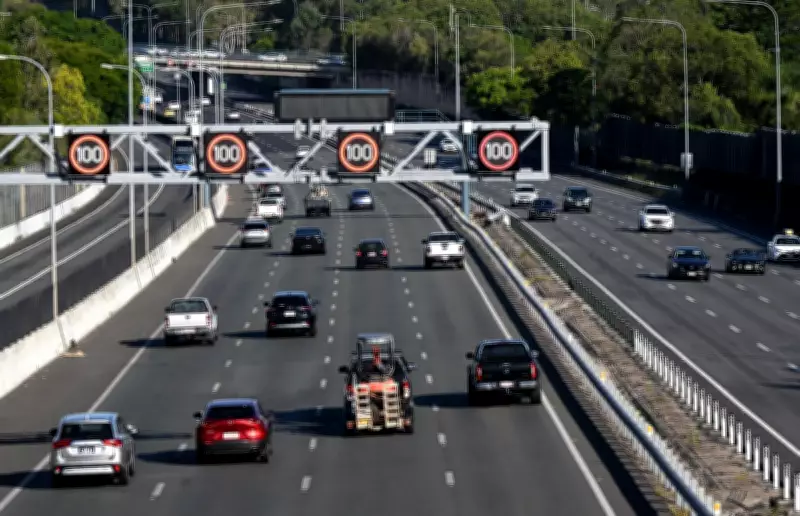
Fuel Crisis Halts Australian Easter Travel Amid Middle East Conflict
The energy shock stemming from the war in the Middle East, along with skyrocketing petrol and diesel prices and fuel shortages in various regions, has dramatically upended travel plans for Australians during the Easter school holidays and beyond. This disruption is particularly affecting the traditional great Australian road trip, with many families and retirees opting to stay home due to concerns over cost and availability.
Regional Tourism Takes a Hit
Regional tourism is expected to suffer significantly despite reassurances from industry leaders. The Australian Tourism Industry Council (Atic) had anticipated an influx of 1.3 million additional visitors to regional Australia in April, with 86% planning to drive themselves, equating to an extra 600,000 cars on the road. However, the council has urged the federal government to prioritize fuel distribution to key drive routes and tourist destinations over the Easter period to mitigate the impact.
Petrol prices have surged to approximately 250 cents per litre, with diesel reaching around 300 cents per litre, up from 180 cents at the start of March. This spike follows recent military actions involving the US and Israel in Iran. Independent fuel distributors, who supply much of regional Australia, are struggling to secure adequate supplies from major importers, leading to hundreds of service stations running out of at least one type of fuel.

Personal Stories of Cancelled Plans
Jan and Earl Robinson, retirees from Charters Towers in rural Queensland, have indefinitely postponed their caravanning adventures after the cost of filling their Ford Everest 4WD increased by 65% in just a few weeks. Jan, 71, expressed that caravanning feels like a luxury they cannot justify currently, highlighting the broader economic and ethical concerns.
In Sydney, mother Belinda Morgan and her family have abandoned their Easter holiday plans, choosing to stay home in Bondi. Morgan cited fuel availability as a primary concern, stating that travel feels wasteful amid the ongoing conflict. Similarly, Wayne and Martine Eames from Nagambie, Victoria, have cancelled a remote June holiday along the Canning stock route in Western Australia due to fears over fuel access in isolated areas.
Adjustments and Industry Outlook
Some travelers are proceeding with their plans but making adjustments. For instance, Lloyd Tarrant from Melbourne has mapped out fuel stops for his family's road trip to Bawley Point on the New South Wales south coast. Tourism agencies are promoting fuel-saving alternatives, such as using public transport or engaging in walkable activities in destinations like north-east Victoria.
James Goodwin, CEO of Accommodation Australia, noted a softening in demand for the Easter period but not a mass wave of cancellations. He described the upcoming holidays as a critical test for the tourism sector's resilience amid the conflict's effects on aviation and fuel confidence, with greater concerns looming for the winter holiday season if the war persists.
This situation underscores the far-reaching consequences of global conflicts on local economies and everyday life, with Australians grappling with heightened fuel costs and supply uncertainties that threaten cherished travel traditions.






