

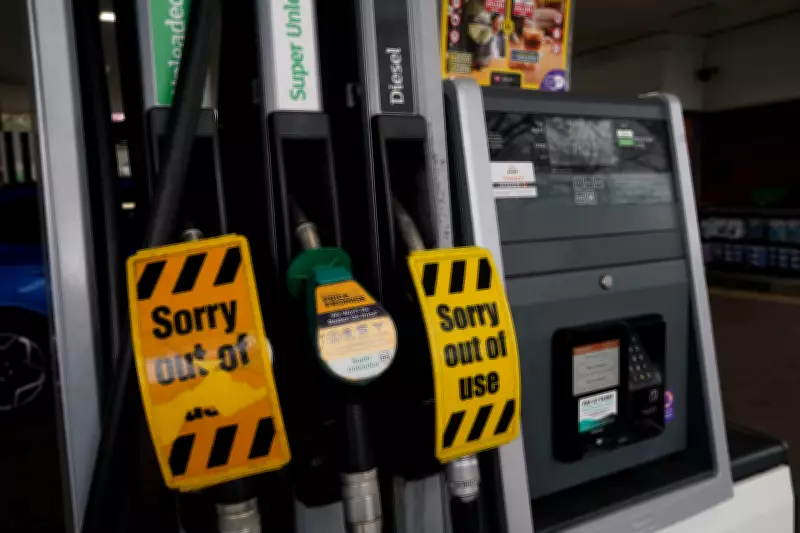
Fuel Price Crisis Intensifies as Diesel Hits Record 181p per Litre
The United Kingdom is grappling with a dramatic surge in fuel prices, with diesel reaching a staggering 181p per litre and petrol averaging 152p, creating significant political and economic challenges for Prime Minister Keir Starmer's government. This unprecedented increase, driven by the ongoing war in Iran, has left millions of vehicle owners, including over 4.5 million van drivers, facing severe financial strain.
Historical Parallels and Current Realities
While the current situation evokes memories of the fuel protests during Tony Blair's premiership in 2000, today's crisis differs fundamentally. A quarter-century ago, panic buying gripped petrol stations, supermarkets rationed essentials, schools closed, and the army stood ready as truckers blockaded refineries over tax hikes. Today, the challenge stems from global supply disruptions rather than domestic policy, yet the political pressure on Starmer is mounting rapidly.
Industry experts warn that the gap between petrol and diesel prices is now the widest since 2003, with the RAC Foundation highlighting how "white van man is bleeding cash just to stay on the road." With 16 million vehicles relying on diesel, the economic impact is becoming increasingly crippling.

Warnings of Rationing and Consumption Reduction
Former NatWest chair Sir Howard Davies has urged the government to explore ways of "reducing consumption," while Nick Butler, BP's former strategy chief, has cautioned that "a form of rationing" could emerge from the supply crunch. These stark warnings contrast with Downing Street's insistence that Britons should "act as normal" regarding fuel usage.
However, these are far from normal times. This weekend, a record 21 million Easter trips are expected to create the busiest roads in four years, placing enormous demand on fuel supplies. The Prime Minister maintains that ending the war is the ultimate solution, but immediate pressure is growing to follow Australia, Poland, and Spain in cutting fuel taxes to ease the burden.
Political Pressure and Tax Revenue Dilemma
Ministers currently assert there's "no need to take action," but with the Treasury collecting 53p per litre in duty plus 20% VAT, this position appears increasingly untenable. Unlike Blair's crisis, this supply disruption isn't of the government's making, yet voters struggling to fill their tanks will expect more from Starmer than claiming "it's out of my hands."
The political calculus is clear: as fuel prices continue climbing without signs of slowing, the government must balance fiscal responsibility with public anger. With industry groups sounding alarms and former officials warning of rationing, the question isn't whether action is needed, but how soon and how substantial it will be.






