

Former President Donald Trump has floated the controversial idea that American taxpayers could foot the bill for major oil corporations to repair and reactivate Venezuela's crippled energy infrastructure. The suggestion comes as his administration seeks to rapidly increase oil production following the military ousting of the country's leader, Nicolás Maduro.
Billions Required for Venezuela's Oil Revival
Trump acknowledged that reviving Venezuela's oil sector, which holds the world's largest reserves, would require a "tremendous amount of money." He proposed a mechanism where energy firms would initially spend the capital, with the US government later providing reimbursement. "The oil companies will spend it, and then they’ll get reimbursed by us or through revenue," Trump stated.
Industry analysts confirm that achieving a significant production boost would demand years of work and billions in investment. Output has plummeted to an average of roughly 1.1 million barrels per day, a stark decline from the 3.5 million barrels produced daily in 1999 before the industry's nationalisation.

Crucial Meetings with Energy Giants Planned
In a pivotal move, US Energy Secretary Chris Wright is reportedly scheduled to meet with representatives from Chevron, ConocoPhillips, and ExxonMobil later this week. The discussions, set for the Goldman Sachs Energy, Clean Tech & Utilities Conference in Miami, are central to the administration's strategy of reintroducing US oil majors to Venezuela.
This follows a contradictory narrative regarding prior communication. While Trump claimed over the weekend to have held meetings with "all" US oil companies concerning Venezuela, sources told Reuters that none of the three largest firms have yet conversed with the White House about operating in the country, either before or after Maduro's removal.
"Nobody in those three companies has had conversations with the White House about operating in Venezuela, pre-removal or post-removal to this point," a source revealed.
Legal and Logistical Hurdles Ahead
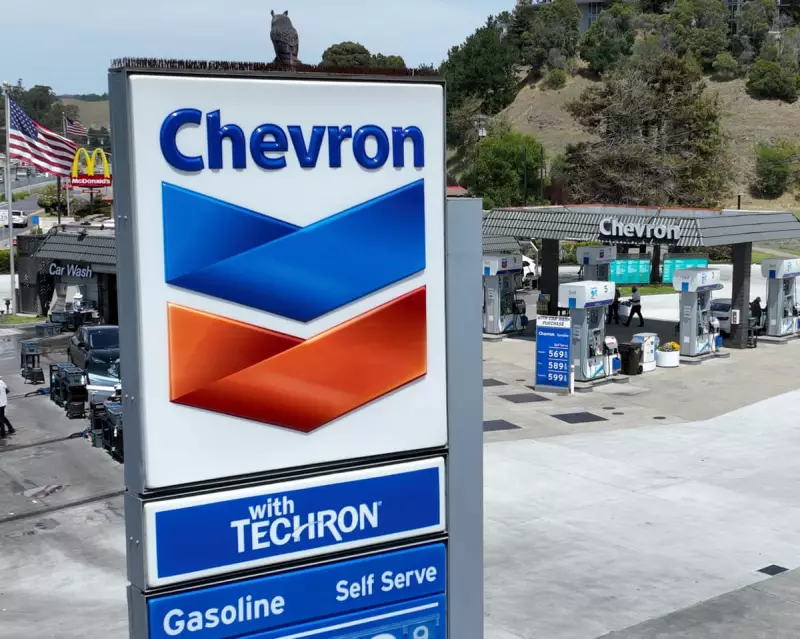
The plan faces substantial obstacles beyond financing. Venezuela's political future remains deeply uncertain, its legal framework for foreign investment is unclear, and the nation's oil infrastructure is severely degraded. Currently, Chevron is the only US major still operating in Venezuelan oilfields. Both ExxonMobil and ConocoPhillips had their assets seized and nationalised under former President Hugo Chávez.
White House spokesperson Taylor Rogers expressed confidence, stating, "All of our oil companies are ready and willing to make big investments in Venezuela that will rebuild their oil infrastructure, which was destroyed by the illegitimate Maduro regime." The companies themselves did not immediately respond to requests for comment.
The market reacted positively to the prospects, with the S&P 500 energy index reaching its highest point since March 2025. Shares in ExxonMobil rose by 2.2%, while Chevron saw a significant 5.1% jump.






