

UK Government Invests £100m to Reopen Teesside CO2 Plant Amid Iran War Fears
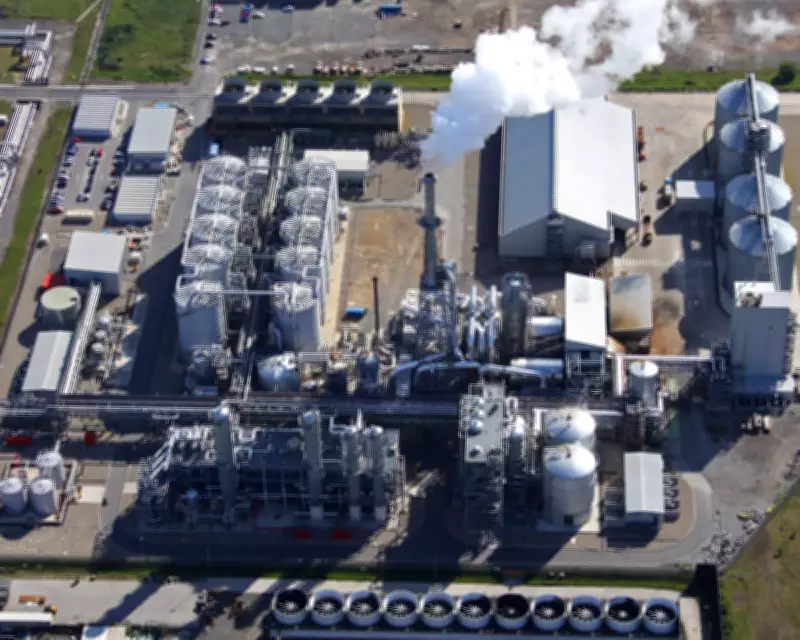
A shuttered carbon dioxide production facility on Teesside is set to reopen with a substantial £100 million government investment, as concerns mount that the ongoing war in Iran could lead to critical shortages of the gas. The Ensus plant, which was mothballed in September, will resume operations for an initial three-month period, with hopes for indefinite continuation, bolstering the UK's resilience in key industrial sectors.
Strategic Response to Global Uncertainty
Business Secretary Peter Kyle authorized the reopening to enhance CO2 production, a gas essential for carbonating beverages, preserving food, medical procedures, and animal sedation in abattoirs. This move comes after the plant's closure was linked to a trade deal with former US President Donald Trump, which reduced tariffs on bioethanol imports from the US. CO2 is a byproduct of ethanol production, a petrol alternative made from agricultural sources.
An unnamed UK government official highlighted the irony of the situation, noting that the plant's shutdown resulted from a Trump-era agreement, while its revival is driven by geopolitical tensions involving Iran. The Department for Business and Trade announced the decision on Thursday, emphasizing it as part of broader efforts to safeguard access to vital industrial resources during global supply disruptions.

Economic and Industrial Implications
Grant Pearson, chair of Ensus UK, stated that the government support will strengthen the Teesside manufacturing economy and enhance the UK's biogenic CO2 supply resilience. He emphasized the gas's importance to food and drink companies, hospitals, abattoirs, and the nuclear industry. Kyle added that the intervention aims to protect British businesses from global uncertainties, ensuring supply chain stability and safeguarding jobs and communities dependent on these sectors.
The reopening addresses risks such as rising gas prices, disruptions in European fertiliser production, and maintenance issues at major CO2 plants across the continent. Energy consultancy Cornwall Insight predicts that escalating energy costs could increase business electricity bills by 10% to 30% and gas bills by 25% to 80%, underscoring the urgency of this measure.
Historical Context and Future Outlook
This is not the first time the UK has faced CO2 shortages. In 2021, post-pandemic gas price surges led to a crisis, prompting a government bailout for CF Fertilisers to restart production on Teesside. Similarly, a 2018 global shortage forced Warburtons to halt crumpet production and Heineken to pause brewing temporarily. The Ensus plant, operational since 2010, converts wheat into bioethanol through distillation and fermentation, producing CO2 and high-protein animal feed as byproducts. Based in Middlesbrough, the company employs approximately 100 people.
By acting swiftly, the government aims to prevent similar disruptions, highlighting a proactive approach to maintaining industrial continuity amid escalating international conflicts and economic pressures.






