

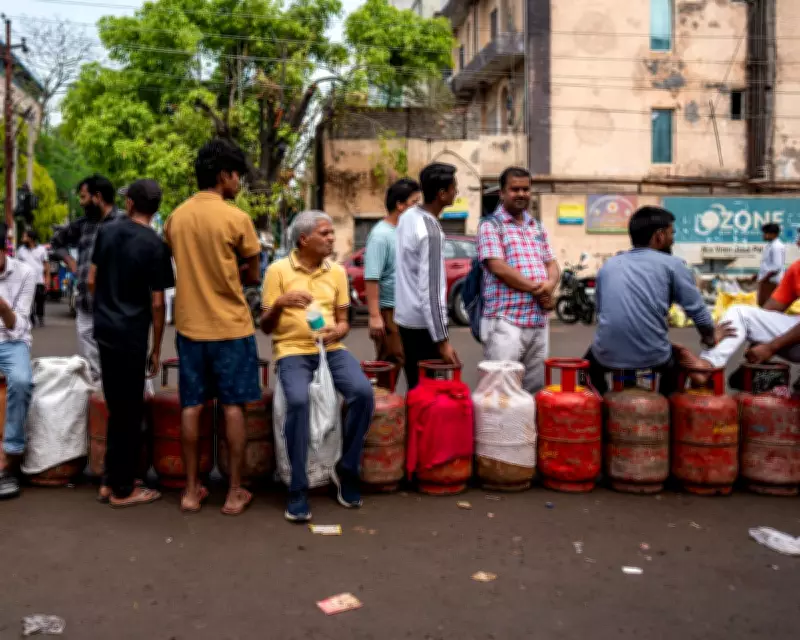
Global Energy Crisis Intensifies Amid Iran War Disruptions
The world is grappling with a severe energy crisis as the war against Iran has led to the closure of the Strait of Hormuz, a critical shipping route for oil and seaborne gas. This blockade has caused shrinking fuel stocks and skyrocketing prices, prompting countries worldwide to adopt emergency measures. From burning coal to rationing fuel and shortening work weeks, nations are scrambling to protect supply and curb rising costs that threaten economic stability.
International Energy Agency Calls for Action
The International Energy Agency (IEA) has urged governments to take decisive steps, such as flying less and driving slower, to mitigate the crisis. Last month, IEA members released 400 million barrels of oil from strategic reserves in an attempt to calm markets, but the situation remains dire as the conflict persists.
Regional Responses to the Crisis
The United States: Following bombings in Iran with Israel in late February, the US has threatened further strikes on Iranian oil infrastructure, potentially prolonging the war and driving fuel prices higher. The Trump administration has doubled down on fossil fuel investments, including blocking renewable projects and directing taxpayer funds into oil and gas production.

The UK, Australia, New Zealand, and Canada: The UK has focused on financial support for vulnerable households using oil for heating, while Australia has halved fuel excise for three months. New Zealand is providing weekly cash payments to families, and Canada has refrained from price interventions, highlighting varied approaches to demand management.
The European Union: The EU advocates for a faster shift to renewables, but member states like Italy and Germany are delaying coal phase-outs and boosting gas power. Fuel subsidies and tax cuts have been introduced, with Slovenia rationing fuel and Lithuania cutting train ticket prices to ease consumer burdens.
Asia: Hardest hit by the crisis, Asia is reviving coal use, with India, Japan, and South Korea increasing coal-fired power output. Countries like Sri Lanka and Vietnam have implemented fuel rationing, four-day work weeks, and work-from-home policies to reduce energy demand.
Africa: As net importers of refined oil, African nations face vulnerability from fertiliser price surges. Emergency measures include South Africa reducing fuel levies, Tanzania setting price caps, and Ethiopia introducing fuel subsidies to cushion the impact.
South America: Rightwing governments in Chile and Argentina have resisted price suppression, instead aligning fuel costs with global rates. Brazil benefits from its ethanol-blended vehicle fleet, reducing reliance on imported fossil fuels and offering some protection against price shocks.
Conclusion
The global response to the Iran war energy crisis underscores the urgent need for coordinated action to address supply disruptions and inflationary pressures. As countries balance short-term fixes with long-term energy transitions, the crisis highlights the fragility of fossil fuel dependencies and the growing imperative for sustainable alternatives.






