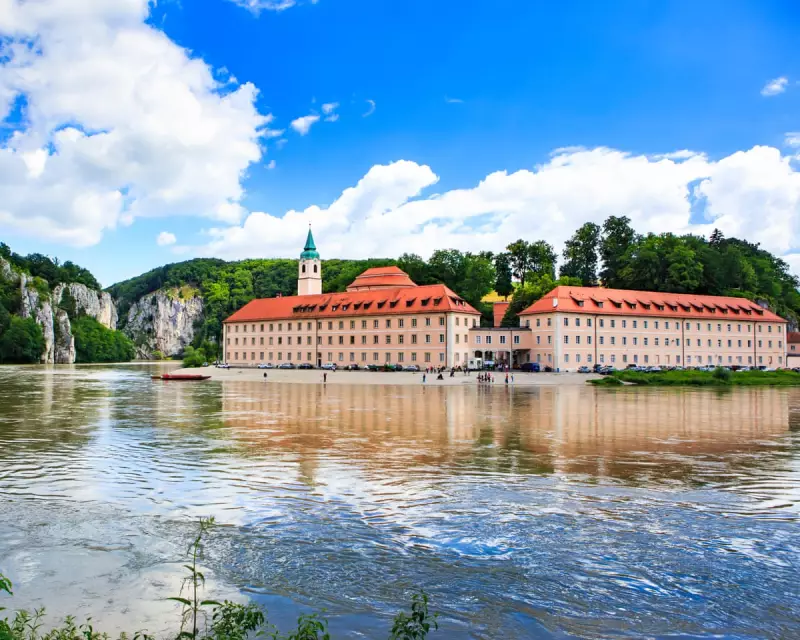
In a historic shift for one of the world's oldest brewing traditions, the Weltenburg Abbey brewery in Bavaria is set to be sold. The monastic brewery, which has operated for nearly a thousand years on the banks of the Danube, will be acquired by the Munich-based firm Schneider Weisse.
A Millennia-Old Tradition Confronts Modern Markets
The sale marks a pivotal moment, driven by the severe financial pressures facing the German beer industry. Weltenburger's business had been operating at a loss for several years, necessitating financial support from its owner, the Catholic diocese of Regensburg. The decision to sell to Schneider Weisse, a brewery founded in 1872, is viewed as a "Bavarian solution" intended to preserve the historic brand and avoid closure or a break-up by an outside investor.
Beer production at the stunning Weltenburg Abbey, an active Benedictine monastery, dates back almost 1,000 years. While the church retains ownership of the facility, the monks handed over daily brewing operations to hired staff fifty years ago. This staff came from the Bischofshof brewery, which is also part of the sale and will cease production by the end of this year.

Preserving Jobs and Heritage
The transaction, scheduled for completion by January 2027, aims to safeguard regional employment and tradition. All 21 employees at Weltenburg will be retained, and brewing will continue at the historic abbey site. Bishop Rudolf Voderholzer of Regensburg emphasised the importance of keeping jobs in the region. The future of the 56 workers at Bischofshof, a brewery founded in 1649, is less certain, with the diocese seeking new placements for them.
Till Hedrich, managing director of both breweries, stated the move would protect an "important piece of Bavarian brewing tradition" from being lost. The abbey itself has a storied resilience, having survived fires, floods, secularisation, and even a narrowly-averted order for its demolition during a world war. It now attracts half a million visitors annually.
The Broader German Beer Crisis
This sale occurs against a stark backdrop for the national industry. German beer sales have plummeted by a quarter over the last 15 years, with consumption falling by 5 million hectolitres in 2025 alone—the sharpest decline in 75 years. This trend mirrors falling alcohol consumption across many Western nations, including the UK.
Germany's beer culture, bound by the medieval Reinheitsgebot (purity law), faces unique challenges. The rule, which stipulates beer may only contain water, barley, hops, and yeast, can stifle innovation even as non-alcoholic brews grow in popularity. Furthermore, beer is increasingly seen as the drink of older generations.
Despite its rich brewing heritage, Germany does not have a single brand among the world's top ten bestsellers. The market remains fiercely regional, with about 1,500 small and medium-sized breweries competing alongside a few dozen national names. Germany still leads in monastic brewing, with nine breweries run by monks or their employees, and a tenth operated by nuns at Mallersdorf Abbey.
As Abbot Thomas M. Freihart remarked during the brewery's 975th-anniversary celebrations, quoting Friedrich Schiller: "Those who cannot enjoy themselves will eventually become unbearable to others." For Weltenburg, the hope is that this new chapter with Schneider Weisse will ensure its enjoyment—a "gift from God," as the abbot called it—continues for centuries to come.