Hospitality Sector Faces Accelerating Collapse Crisis
New official statistics reveal the hospitality industry was already experiencing a severe crisis of corporate collapses before the Iran war introduced additional energy cost pressures. According to data from the Office of National Statistics (ONS), the number of accommodation and food service firms declaring insolvency surged by 22 percent to reach 270 in February alone.
Pre-War Pressures Force Widespread Closures
This alarming acceleration occurred prior to the energy cost surge triggered by the Iran conflict and the implementation of April tax increases. Industry leaders warn these combined factors will likely force significant job cuts across the sector. Specifically, 254 food and beverage service businesses were compelled to cease operations in February, including 171 restaurants and food trucks alongside 64 pubs.
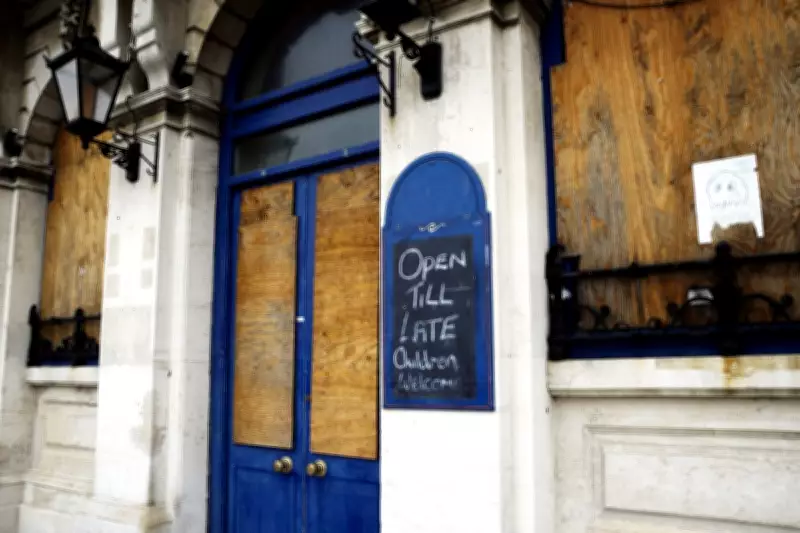
The pub sector has been particularly devastated, with more than 700 establishments closing in each of the last three consecutive years. This represents a dramatic escalation from 2022, when only 512 pubs shut their doors. Pub owners have expressed fury at Chancellor Rachel Reeves following Budget changes to business rates that were intended to create fairer taxation for hospitality and retail businesses but instead resulted in thousands of landlords facing dramatically increased bills.

Energy Crisis Compounds Existing Woes
Although Chancellor Reeves eventually offered a £300 million emergency business rates relief package in response to the outcry, landlords report that rising energy costs stemming from the Iran war mean their financial difficulties are unlikely to diminish. The chief executive of Shepherd Neame, Britain's oldest brewer, told City AM the industry desperately needs a fundamental reset and confirmed his company is preparing for substantially higher energy bills.
While some larger operators benefit from protection through long-term fixed-rate energy contracts, the chairman of JD Wetherspoon revealed he is exerting maximum effort to avoid passing increased costs to consumers through higher beer prices. Trade organization UKHospitality has highlighted that independent pubs without fixed contracts and those operating off-grid face particularly devastating energy bill increases that threaten their survival.
Smaller Businesses Bear the Brunt
Saxon Mosely, head of leisure and hospitality at audit firm RSM, emphasized the disproportionate impact on smaller enterprises. "While bigger operators tend to be better insulated due to having stronger balance sheets and economies of scale to fall back on, it's the smaller, independent businesses that are struggling the most," Mosely stated.
Hotels Excluded from Relief Measures
The accommodation sector faces parallel challenges, with 10 hotels closing in February and 16 accommodation firms collapsing overall during the month. Hotel and restaurant executives have criticized the Treasury for excluding their sectors from the business rates relief package that was specifically directed toward pubs.
Gordon Thompson, restructuring partner at RSM, explained the difficult decisions facing hospitality operators. "Relatively weak sales in the hospitality industry along with relentless cost pressures have required some operators to explore restructuring options to optimize their trading position and to reduce their cost base," Thompson said. "It's encouraging to see businesses taking action rather than burying their heads in the sand, but this highlights just how challenging it is to operate in the current environment."
The combination of pre-existing financial pressures, tax increases, and now escalating energy costs creates a perfect storm that threatens the viability of numerous hospitality businesses across the United Kingdom.