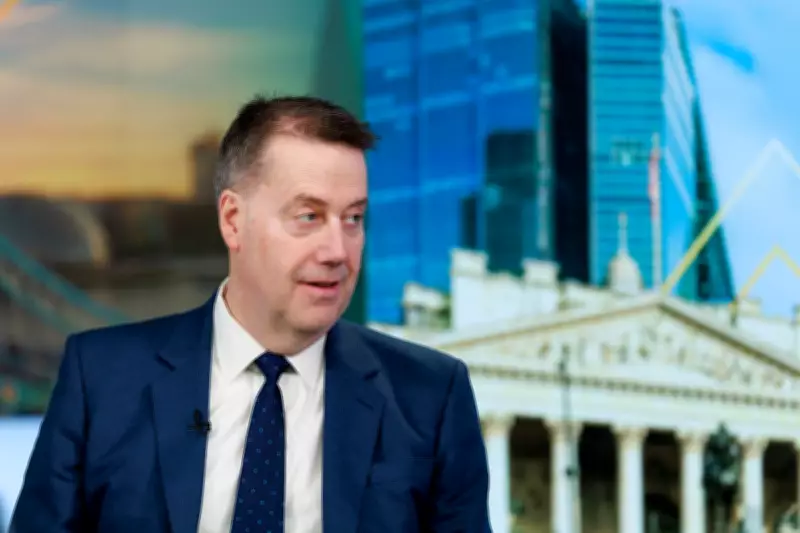
Standard Life CEO Sounds Alarm on Retirement Savings as £2bn Aegon Deal Finalized
In a significant development for Britain's financial sector, Standard Life's chief executive Andy Briggs has issued a stark warning about the nation's retirement preparedness. His comments came alongside the official unveiling of a monumental £2 billion acquisition of Aegon UK, a move that reshapes the landscape of the UK pension industry.
Addressing Retirement Adequacy Through Strategic Expansion
Briggs emphasized that "retirement adequacy is a genuine concern" for millions of Britons, framing this challenge as central to Standard Life's decision to pursue the Aegon UK takeover. The transaction, announced earlier this week, will create the country's second-largest retail pensions and savings platform, serving nearly 16 million customers and managing approximately £480 billion in assets.
"This transaction strengthens our ability to invest, innovate and deliver value for money at a time when retirement adequacy is a genuine concern," Briggs stated in an exclusive interview. "Our focus is on helping more people achieve better retirement outcomes and that will continue as a result of this acquisition."

Navigating Policy Changes and Market Uncertainty
The acquisition arrives during a period of significant uncertainty for pension investors. Chancellor Rachel Reeves' recent Autumn Budget introduced changes to salary sacrifice schemes, capping them at £2,000 per employee annually starting in April 2029. Briggs had previously cautioned that such measures might inadvertently reduce overall retirement savings among workers.
Meanwhile, the government faces mounting pressure to address pension adequacy concerns, with industry experts consistently warning that many Britons are saving insufficiently—or not at all—for their later years.
Expanding Market Reach and Competitive Positioning
The Aegon acquisition enables Standard Life to significantly broaden its customer base beyond its traditional focus on large corporations. The deal provides access to the mid-to-small corporate sector, representing a strategic expansion into previously untapped markets.
Briggs highlighted the complementary nature of the two companies: "We have some strong propositions for the advisor market, such as our international bond and our smoothed managed fund, whereas Aegon has an excellent advisor platform. So it really is complementary as you bring it together."
The CEO also noted that the merger allows Standard Life to move beyond niche market segments that have historically dominated the industry but are now seeing their influence wane. "We are really very much focused on helping a large cohort of customers across the UK get a better retirement," he affirmed.
Future Growth Prospects and Financial Implications
While organic growth remains Standard Life's primary strategy, Briggs hinted at potential future mergers and acquisitions, stating that the company would "review appropriate opportunities that came onto the market." This financial year marks the final phase of Standard Life's debt repayment program, which is expected to leave the firm with over £500 million in available cash—funds that could be deployed for various strategic purposes beyond M&A activities.
The acquisition promises substantial financial benefits, with Standard Life anticipating an annual profit boost of £160 million from the deal. Additionally, the company projects approximately £400 million in excess cash generation over the next five years following successful integration of the two platforms.
Competitive Landscape and Industry Consolidation
The pension market is experiencing considerable turbulence, with industry players expressing concerns about proposed mandatory powers in the pension schemes bill. As a signatory of the Mansion House Accord, Briggs confirmed that the enlarged platform would prioritize long-term growth investments driven by returns and customer outcomes.

The Standard Life-Aegon merger also addresses growing apprehensions about foreign acquisitions of UK wealth management firms. Recent transactions have seen prominent British companies like Schroders and Janus Henderson acquired by American firms, raising questions about the domestic market's sustainability.
Briggs argued that the creation of a UK-based savings giant demonstrates the market's capacity to "compete and get the best possible customer outcomes" while maintaining British ownership and strategic control.
This landmark deal represents not just corporate expansion but a strategic response to one of Britain's most pressing financial challenges: ensuring that millions of citizens can look forward to secure and adequate retirement years.