

The Redrawn Commuter Belt: Affordable Hotspots for Modern Homebuyers
The landscape of commuting in the UK has undergone a significant transformation. During the Covid-19 pandemic, the shift to remote work prompted buyers to break free from traditional patterns, sparking a race for space in coastal and rural areas. However, as the call back to the office intensifies, this trend has unwound, with homebuyers returning to more conventional commuter zones. Yet, the housing market today is starkly different from five years ago, rendering many of these locations unaffordable for a growing number of people.
With the cost of living and mortgage repayment costs significantly higher, and limited support for first-time buyers, the competition for homes has intensified. Priced-out first-time buyers are now vying with second and third steppers, as well as downsizers relocating from rural areas to be closer to transport links and family. According to Frances McDonald of Savills, "Britain's traditional commuter belts have shrunk back down after the pandemic, but they are not as compact as they were before, with buyers searching for value." This search for value is pushing buyers into new areas where prices remain accessible.
New Infrastructure and Changing Dynamics
Infrastructure developments have also played a crucial role in reshaping commuter patterns. For instance, the Elizabeth line has opened up the westerly home counties for those working in the City and Canary Wharf. Exclusive research from Savills, shared with Capital Post, identifies new affordable commuter hotspots—suburbs, towns, and villages with direct services into London, Birmingham, Manchester, and Edinburgh. These locations have seen a surge in station entry and exit numbers since before the pandemic, indicating rising demand as commuters seek out new, cost-effective areas.

The analysis combines railway station usage and house prices to highlight popular yet affordable spots in 2026. Below, we explore key hotspots across major cities, detailing journey times, season ticket costs, and average house prices.
London's Commuter Belt: From Iver to Doncaster
For London commuters, options range from nearby suburbs to more distant towns. In the 19–29 minute travel bracket, Iver, Buckinghamshire offers a 24-minute journey to London Paddington, with an average house price of £539,575 and a season ticket costing £2,868 annually. It features amenities like a gym, park, and good primary school, benefiting from the Elizabeth line.
Shenfield, Essex provides a 23-minute ride to London Liverpool Street, with an average house price of £656,159 and a £4,008 season ticket. It attracts family buyers with its frequent train service and green spaces. Twyford, Berkshire has a 21-minute journey to Paddington, with house prices at £553,597 and a £4,764 season ticket, offering a village-like feel and independent cafes.
In the 30–59 minute range, Prittlewell, Essex (55 minutes to Liverpool Street, £295,326 average price, £5,120 season ticket) is near Southend-on-Sea with parks and schools. Folkestone West, Kent (52 minutes to St Pancras, £310,304 average price, £7,180 season ticket) is undergoing regeneration with a growing cultural scene. Colchester, Essex (47 minutes to Liverpool Street, £285,722 average price, £6,700 season ticket) is Britain's oldest recorded town with historic charm. Sandy, Bedfordshire (49 minutes to St Pancras, £310,337 average price, £6,152 season ticket) offers good schools and community events.
For longer commutes of 60–89 minutes, Corby, Northamptonshire (71 minutes to St Pancras, £225,245 average price, £10,624 season ticket) has risen in popularity since its station opened in 2009, with green spaces and investment. Retford, Nottinghamshire (87 minutes to King's Cross, £212,487 average price, £14,504 season ticket) serves multiple cities with a market square and local breweries.

In the 90–119 minute bracket, Doncaster, South Yorkshire (91 minutes to King's Cross, £148,803 average price, £16,024 season ticket) attracts value-seeking commuters with scenic villages and events like the St Leger festival. Gloucester, Gloucestershire (100 minutes to Paddington, £224,850 average price, £16,228 season ticket) provides access to the Cotswolds at lower prices than celebrity hotspots.
Birmingham, Manchester, and Edinburgh Hotspots
For Birmingham commuters, Wootton Wawen, Warwickshire offers a 43-minute journey to Birmingham Moor Street, with an average house price of £520,711 and a £1,880 season ticket. It features riverside pubs and primary schools. Hartlebury, Worcestershire (51 minutes to Moor Street, £376,790 average price, £1,552 season ticket) is near Worcester with pubs and nature reserves. South Wigston, Leicestershire (49 minutes to Birmingham New Street, £249,811 average price, £3,972 season ticket) has period housing and good schools.
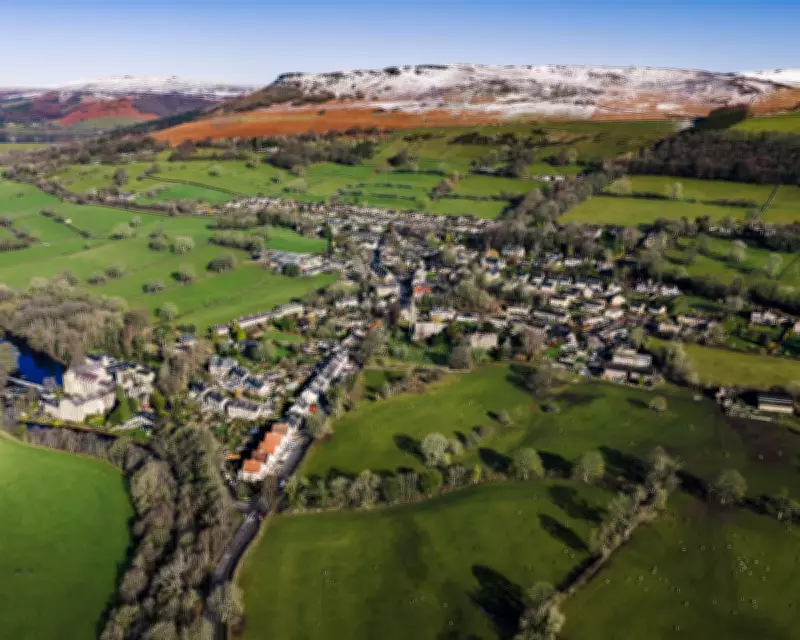
Manchester commuters can consider Holmes Chapel, Cheshire (42 minutes to Manchester Piccadilly, £350,304 average price, £3,260 season ticket), known for Harry Styles connections and a medieval church. Styal, Cheshire (43 minutes to Piccadilly, £411,992 average price, £1,596 season ticket) is near Manchester airport with historic cottages. Bamford, Derbyshire (55 minutes to Piccadilly, £523,615 average price, £3,560 season ticket) is ideal for climbers in the Peak District.
Edinburgh commuters have options like Camelon, Stirlingshire (36 minutes to Edinburgh Waverley, £173,381 average price, £2,396 season ticket), a suburb of Falkirk with canal routes. Fauldhouse, West Lothian (36 minutes to Waverley, £155,947 average price, £2,224 season ticket) is surrounded by green spaces. Stirling, Stirlingshire (39 minutes to Waverley, £215,224 average price, £2,396 season ticket) offers historic sites and a vibrant cultural scene.
Conclusion: A Shift in Commuter Patterns
The commuter belt is indeed being redrawn, driven by affordability pressures and new infrastructure. As buyers continue to hunt for value, these emerging hotspots represent practical alternatives for those balancing work and lifestyle. With station usage on the rise and house prices still within reach, these locations are set to remain popular in the coming years, reshaping how Britons live and commute.





