

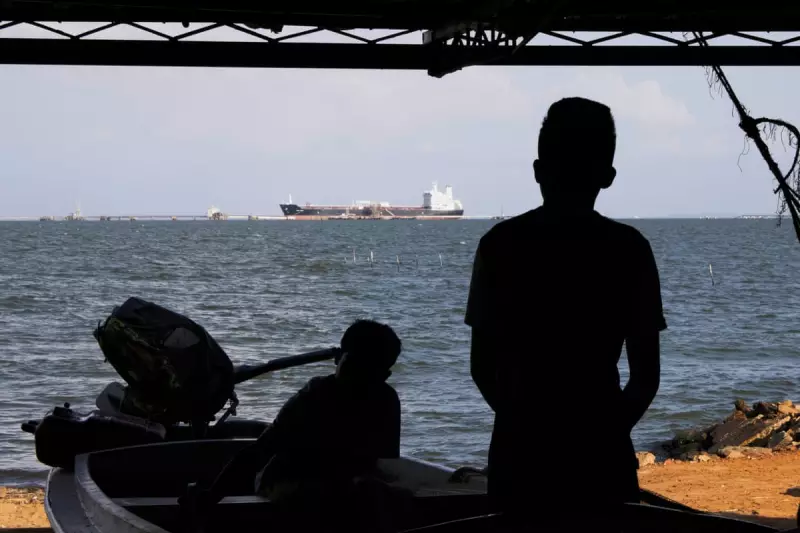
The United States government has executed a significant seizure of a Venezuelan oil tanker, marking a bold enforcement of its sanctions regime against the South American nation. The vessel, identified as the 'Empire', was taken into custody by US authorities, directly impacting the oil revenues of Venezuela's state-owned company, PDVSA.
Details of the Tanker Seizure
According to reports, the seizure of the 'Empire' tanker is a direct action linked to the ongoing US sanctions targeting Venezuela's crucial oil sector. These sanctions are designed to pressure the government of President Nicolás Maduro. The specific legal basis for the seizure is understood to be related to violations of these sanctions, potentially involving attempts to sell Venezuelan crude oil on the international market in circumvention of US restrictions.
The action underscores the Biden administration's continued use of economic measures as a foreign policy tool, despite some previous adjustments to oil sanctions. The tanker, a key asset for transporting Venezuelan crude, now represents a tangible loss for PDVSA's operations and its ability to generate vital foreign currency.

Global and Diplomatic Repercussions
This move is certain to escalate tensions between Washington and Caracas. The Venezuelan government has consistently condemned US sanctions as illegal and a form of economic warfare. The seizure of a major asset like an oil tanker will likely trigger strong diplomatic protests and could influence the already fragile political dialogue between the two nations.
Furthermore, the action sends a clear signal to the global shipping and maritime insurance industries. It highlights the serious risks and potential consequences of engaging in transactions with sanctioned Venezuelan entities, even indirectly. Companies and vessel operators worldwide will be forced to scrutinise their dealings more closely to avoid similar enforcement actions.
Impact on Oil Markets and Venezuela's Economy
The direct consequence for Venezuela is a further tightening of economic pressure. Every tanker of oil that cannot be freely sold represents a blow to a nation already grappling with severe hyperinflation and widespread poverty. The seizure restricts the cash flow needed for essential imports and government operations.
While the global oil market is large, such enforcement actions contribute to a climate of uncertainty around Venezuelan supply. They reinforce the compartmentalisation of its oil industry, limiting its integration into mainstream global energy flows and potentially supporting higher prices for other crude grades.
In conclusion, the US seizure of the Venezuelan 'Empire' oil tanker is more than a single law enforcement event; it is a stark demonstration of the long reach of American sanctions policy. It directly challenges Venezuela's primary economic engine and sets a precedent that will resonate across international trade and diplomacy, reaffirming the significant geopolitical costs associated with contravening US sanctions regimes.






