

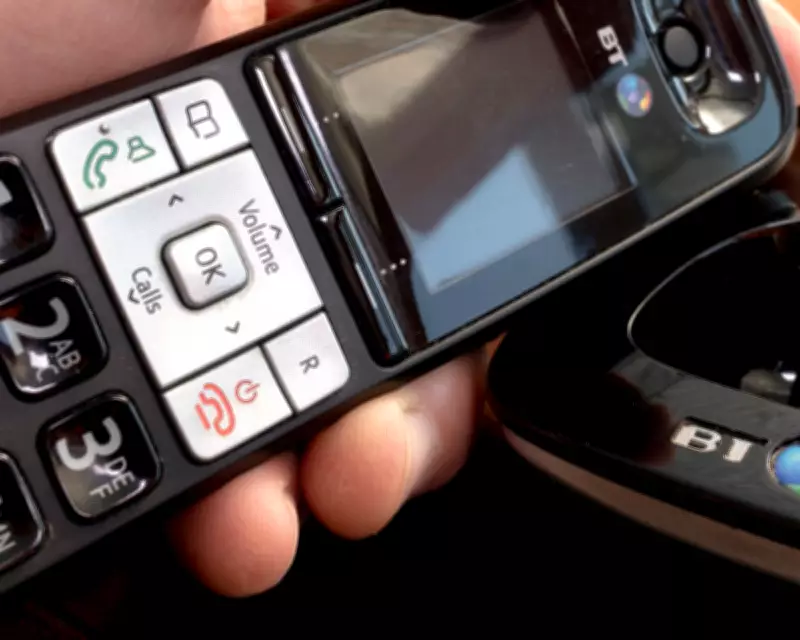
BT has been embroiled in a series of distressing incidents where elderly customers have been left without functioning phone lines for months, severing their vital connections to family, friends, and medical services. These systemic failures within BT and its infrastructure arm Openreach have created life-threatening situations for vulnerable individuals living alone.
The Three-Month Ordeal of a 90-Year-Old Woman
A 90-year-old woman discharged from hospital to receive end-of-life care at home faced a three-month nightmare when BT failed to reinstate her original phone number. As her sole carer explained, broadband installation was essential for fitting a personal alarm system, but BT provided only a temporary number while Openreach conducted work.
Three months later, her original number remained inaccessible, effectively isolating her from the outside world. The situation worsened when BT had incorrect address information on her account, leaving her completely without phone service for a period. BT eventually acknowledged that her original number showed as "active" somewhere within Openreach's systems, but no one could mark it "inactive" for transfer back to her line.

"We have spent most of our limited remaining time together begging BT to get this sorted out," wrote the carer. "She has hospital appointments due to be conducted by phone and she is terrified they won't be able to contact her."
BT's Eventual Response and Compensation
Only after media intervention did BT resolve the issue within five days, restoring the original number that had been unavailable for three months. The company issued a statement saying: "We're sorry that the customer's experience fell below the high standards of service we strive to achieve. We can confirm that she now has her original number back and we deeply apologise for any inconvenience caused." BT offered a goodwill gesture as compensation.
Another Elderly Couple's Digital Voice Disaster
This incident is not isolated. Another case involves RS's elderly in-laws who had maintained the same phone number at their residence for seventy years. Their analogue line was automatically switched to BT's internet-based Digital Voice service, resulting in their landline being disconnected without warning for an entire week.
Both individuals in their 90s with chronic health conditions found their lifeline severed during this period. When service resumed with a temporary number, BT made three unsuccessful attempts to restore their original number, blaming "procedural issues" and "system time-out" errors.
BT initially allowed itself nearly two weeks before attempting a fourth restoration effort and couldn't guarantee success, stating that it "can never promise that a particular phone number can be added to a line." The fourth attempt finally succeeded after media attention, with BT offering £50 compensation and a free backup battery for power outages.
Contrasting Customer Service Experiences
While BT struggles with basic service restoration, other companies demonstrate how customer service should function. GT reported that Serengeti sunglasses honored their lifetime warranty by replacing broken glasses free of charge, despite the damage being the customer's fault.
Similarly, Mulberry provided a replacement dust cover for a leather bag at no cost with express delivery, while outdoor company Berghaus repaired a ten-year-old travel bag free of charge after a wheel cracked during camping trips. These companies exemplify how businesses should stand behind their products and promises.
The Human Cost of System Failures
For telecommunications giants like BT, these incidents represent mere "system errors" in their corporate terminology. For elderly customers, however, these failures are life-changing and potentially life-threatening. The inability to contact medical services, receive appointment calls, or maintain social connections creates genuine emergencies for vulnerable populations.
The pattern of extended service disruptions followed by rapid resolution after media intervention suggests these problems are solvable when adequate attention and resources are applied. The question remains why such vulnerable customers must endure months of isolation before receiving the service they pay for and desperately need.






