

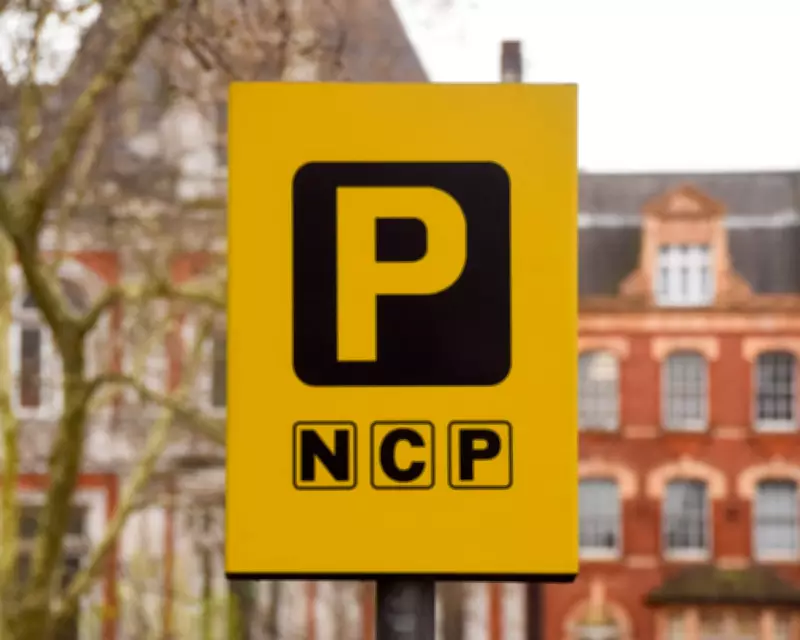
NCP Collapses into Administration with £305m Debt as Driver Habits Shift
National Car Parks (NCP), one of the United Kingdom's largest car park operators, has filed for administration at the High Court in London. The company, which dates back to 1931, is buckling under a staggering £305 million debt burden, casting uncertainty over the future of its 340 car parks across the UK and the jobs of 682 employees.
From Fashion Week to Financial Ruin
Once a glamorous venue that hosted London Fashion Week, the NCP car park on Brewer Street in Soho now symbolizes the operator's dramatic decline. Former amenities like separate chauffeur rooms and changing areas for theatregoers have long been replaced by complaints over exorbitant parking charges and inadequate security. This week, the situation deteriorated further as administrators from PwC were called in.
The directors made this move because NCP was rapidly running out of cash and could not secure additional funding, with significant rent payments looming at the month's end. Administrators cited "continued shifts in commuting and customer driving patterns" post-pandemic, including the rise of remote work, alongside "long-term, inflexible leases" exceeding ten years that prevented cost reductions or exits from unprofitable locations.

Structural Challenges and Historical Struggles
NCP's Japanese owner, Park24, highlighted that rents were inflation-linked, soaring into double digits after Russia's invasion of Ukraine in 2022 drove up energy prices. Despite cost-cutting measures like job reductions and new developments to boost revenue, "structural losses continued." In 2021, NCP narrowly avoided administration through a restructuring that involved landlords writing off arrears and reducing rents.
This marks the end of the road for a company with a rich history, evolving from World War II bomb sites converted into parking lots. It passed through multiple owners, including the defunct US conglomerate Cendant, private equity groups Cinven and 3i, and Australian bank Macquarie. Park24 and the Development Bank of Japan acquired NCP for £450 million in 2017 from Macquarie, whose £790 million takeover in 2007 had saddled the operator with £450 million in debt.
Financial Performance and Public Sector Impact
NCP's losses narrowed to £5.7 million in the year to September 30, 2025, from £10.1 million and £27.1 million in the prior two years, as sales increased 6.4% to £233 million. However, Park24 reported that "its cash-flow position tightened and it became increasingly difficult to secure the necessary funding" as lenders and landlords lost patience.
The collapse will significantly impact the NHS and Home Office, with which NCP holds active contracts. Since 2012, NCP has earned £47 million from public sector deals, including those with NHS trusts. Current contracts have dwindled to a few, such as with Abellio Greater Anglia, Birmingham Women's and Children's Hospitals NHS Foundation Trust, Luton Borough Council, and the Home Office. In 2022, it lost the contract for Transport for London's car parks to Spanish rival Saba.
Industry Insights and Future Prospects
Nick Bubb, an independent analyst, noted that post-pandemic trends like working from home and congestion charges in London, along with shifting footfall from high streets to out-of-town retail parks, have hurt the business. Yet, he expressed surprise, stating, "I'd still have thought that multistorey car parks were a reasonably defensive business, given the difficulty in finding parking."
Park24 plans to restructure its remaining UK operations via subsidiary T24 UK, focusing on 100 smaller car parks with shorter leases of up to one year. It anticipates reporting UK business losses for several more years, including a projected loss of 1.3 billion yen (approximately £6 million) this year. Several contracts, presumed to be better-performing, have been transferred to T24, leaving the rest in NCP.

Nick Stockley, a partner at law firm Mayo Wynne Baxter, suggested that profitable sites at airports and stations may continue as parking venues under new owners, potentially saving some jobs. Other locations could be acquired by property developers for residential construction, as the land represents "prime real estate." He remarked, "It is unlikely that there will be any value in the NCP brand name. I don't think there's brand loyalty in a car park brand. People are interested in location."
Former NCP chief executive Jo Cooper once described car parking as a "grudge purchase – a product that people need, even if they don't necessarily want to pay for it" and "second only to the taxman." However, NCP has been undermined by high lease costs, declining driving rates, and motorists deterred by steep charges, fines, and poor service. It faces stiff competition from rivals like Germany's Apcoa, Dutch KKR-backed Q-Park, France's Indigo, and the UK's Euro Car Parks.
For now, all NCP car parks remain open, and staff retain their positions as administrators explore options, including a potential sale. The future of this iconic British business hangs in the balance, reflecting broader shifts in urban mobility and economic pressures.





