

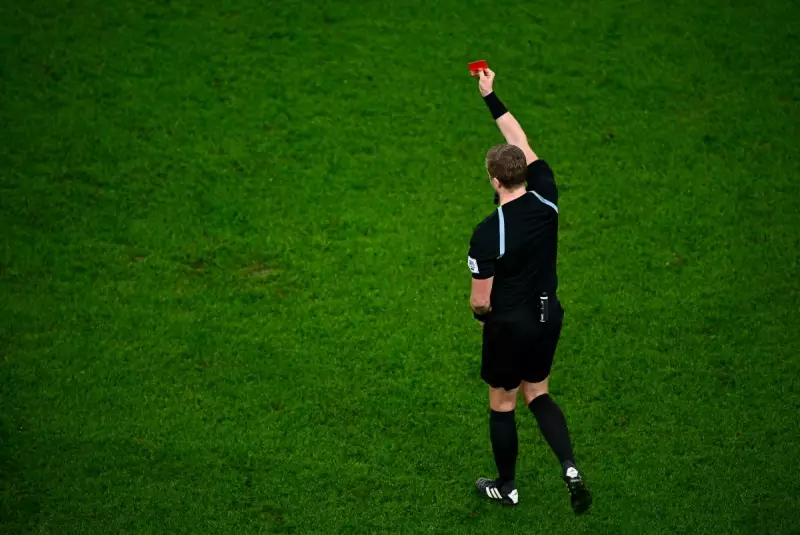
Human resources professionals are raising the alarm over a dangerous new trend among Britain's small and medium-sized enterprises (SMEs). Companies are increasingly mimicking the volatile 'sack the boss' culture synonymous with Premier League football, a move that could spark severe financial and legal consequences.
The Premier League Precedent and SME Imitation
The reflex to remove a manager following a poor run of form is entrenched in top-tier football. This was starkly illustrated on Monday 5 January 2026, when Manchester United dismissed manager Ruben Amorim less than a day after he publicly demanded more control. This followed a 1-1 draw with Leeds United. Since Sir Alex Ferguson's departure in 2013, the club has seen six permanent managers come and go.
According to HR specialists, this mentality is now creeping into the corporate world. Kate Underwood, founder of Kate Underwood HR and Training, observes a worrying pattern. "Small businesses are starting to treat senior hires like football managers," she said. "One wobble and it's 'cheers for your service'." The instinct, when performance dips, is to swiftly remove leadership in a bid to restore calm.

Why This Strategy is a Legal Minefield for SMEs
However, the critical difference lies in resources. A club like Manchester United can reportedly afford a compensation package of around £20 million to terminate Amorim's contract 18 months early. Most SMEs operate with no such financial cushion.
Underwood highlights the stark reality for smaller firms: they lack the protective structures of larger corporations. "Small businesses don't have parachute payments, a comms team, or even a legal department to tidy up the fallout," she noted. A rash dismissal can quickly escalate into a costly tribunal claim for unfair dismissal, draining vital capital and management time.
Scapegoating Leadership Misses the Real Problem
This trend emerges against a challenging economic backdrop for British SMEs, which grappled with rising inflation and tax increases under the Labour government in 2025. In such pressured environments, the urge to find a single culprit for complex issues intensifies.
Gary Parsons, creator of 'selfish leadership' at Gary Parsons UK, argues that business performance is often "slightly murkier" than a football league table. "The temptation to scapegoat one person for complex operational failures becomes enormous in the face of organisational politics," he explained.
He warns that SMEs are particularly prone to this error, often blaming leaders while ignoring deeper cultural sickness. "In small businesses especially, we're too quick to blame leaders when the real problem is the culture around them, one that pushes overwork, fuels constant pressure and then acts surprised when people burn out," Parsons added. Firing a manager may offer short-term drama, but it fails to address the systemic issues that truly hinder performance and wellbeing.






