

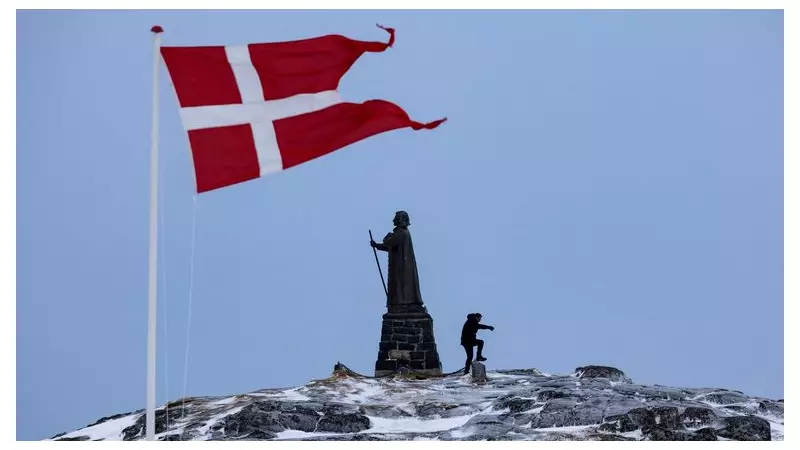
A fierce diplomatic storm is gathering over the Arctic island of Greenland, as former US President Donald Trump renews his controversial ambitions to acquire the territory. This move has triggered an unprecedented warning from European leaders and threatens to shatter the Western military alliance.
European Leaders Issue Stark Warning
In an extraordinary joint statement, European heads of government have delivered a blunt message to President Trump, marking what observers call a new low in transatlantic relations. The statement, released on Tuesday 6 January 2026, asserts that "Greenland belongs to its people" and that only Denmark and Greenland itself can decide on matters concerning the island.
The warning comes amid growing concern that Mr. Trump, who has historically shown little respect for NATO, may find the strategic prize of Greenland too tempting to ignore. Analysts fear such an action would constitute an attack by one NATO member on another, effectively terminating the decades-old alliance.

Greenlanders React with Defiance and Division
On the ground, the vast majority of Greenland's inhabitants firmly reject the idea of American annexation, according to recent opinion polls. The island's Prime Minister, Jens-Frederik Nielsen, who campaigned for future independence from Denmark, has issued a strong condemnation.
"That's enough now," Mr. Nielsen stated over the weekend. "No more pressure. No more insinuations. No more fantasies of annexation." He notably warned against drawing parallels between Greenland and other territories.
However, a small minority welcomes the potential change. Jorgen Boassen, a community leader, expressed a belief that Trump's arrival is inevitable. "He will come. He has decided, you know. Nobody can change his mind," Boassen said from Copenhagen, en route to Nuuk. "But I think it's not bad. It's a new opportunity for us."
A Point of No Return for the West?
The crisis presents a stark geopolitical dilemma. Military experts note that if President Trump were to dispatch armed forces to Greenland, there would be little physical resistance, despite certain international outrage. The real cost would be diplomatic and strategic, potentially ending the post-war Atlantic partnership.
Danish Prime Minister Mette Frederiksen has been unequivocal, framing any American move as a direct attack on a fellow NATO member. With trust in the alliance already strained, the situation over Greenland is seen as a potential flashpoint that could redefine global power dynamics.
The sense in diplomatic circles is that President Trump, undeterred by traditional alliances or protocols, may proceed regardless of the catastrophic consequences for relations between Europe and the United States.






