

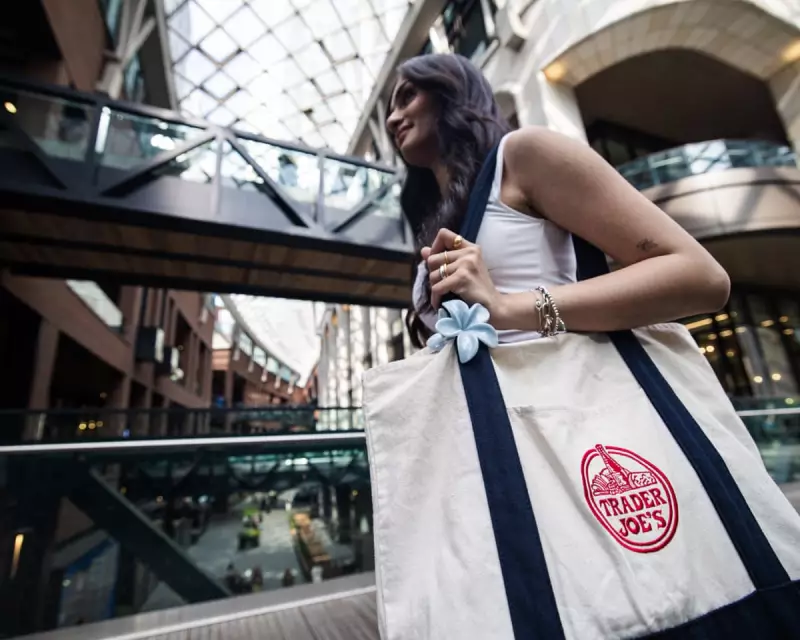
On a recent visit to Norwich, a sight caught the eye of one observer: a woman carrying a distinctive red-stamped tote bag from Trader Joe's, the American supermarket chain. This was notable for one simple reason: Trader Joe's does not have a single store in the United Kingdom. Yet, this specific piece of merchandise has become a surprisingly common sight on London streets this year, a trend highlighted by the New York Times in July. Its journey from the capital to East Anglia in roughly three months underscores a wider, burgeoning phenomenon sweeping the UK's small business scene: an explosion in branded merchandise.
More Than a Bag: Merch as a Cultural Signal
The humble tote bag has undergone a significant transformation. Once a generic symbol of eco-consciousness, it is now a nuanced billboard for personal identity and tribal affiliation. Carrying a bag from Daunt Books, the London Review of Books, or Fitzcarraldo Editions signals literary tastes, but can also be deemed predictable. A Trader Joe's or Whole Foods tote implies a cosmopolitan familiarity with North American culture. Even a Mubi cinema bag can risk labelling the bearer as a 'film bro'. The message has become targeted, and in an online world obsessed with categorisation, potentially fraught.
This merchandising craze, however, has now spread far beyond totes and well-known brands. It has been enthusiastically adopted by local, independent establishments across the UK, expanding into every conceivable product category.

The Bizarre and the Branded: From Sausage Roll Jewellery to Bakery Condoms
The range of items now bearing business logos is vast and often inventive. Jolene bakery in north London sells hats, socks, scarves, and oilskins. The famed St John restaurant offers tea towels, T-shirts, and pig-shaped pin badges. High street bakery giant Greggs has a collaboration with Primark featuring bum bags and cycling shorts, plus a separate jewellery line including 22-carat gold-plated sausage roll earrings (£36) and a signet ring costing the equivalent of 37 sausage rolls.
Perhaps the most unusual example comes from Toad Bakery in Camberwell. For Valentine's Day, they produced a limited run of branded condoms, described by owner Oliver Costello as a world-first for a bakery. While all proceeds went to charity, Costello noted that 'merch is big now in the bakery world'. The demand is clear: customers travelling to sought-after spots want a lasting souvenir, akin to buying a T-shirt at a gig, to cement the 'street cred' of having visited.
The Business Case: Loyalty, Advertising, and Community
For small businesses, merchandise is rarely a major revenue stream, but it offers significant low-risk benefits. A batch of 150 custom tote bags can cost around £5 each and easily sell for double. More importantly, it builds brand loyalty, generates word-of-mouth advertising, and helps establish a local institution.
Dom's Subs, a sandwich shop born in Hackney during the pandemic, found merch to be a 'great revenue stream' and advertising tool. Their collaboration with workwear brand Carhartt on a T-shirt sold out in minutes, with items later seen for resale at £300. Co-founder Dom Sherington admits the challenge is keeping up with demand without a dedicated team, stating they are 'just a trio of sandwich shops'.
Merchandise also acts as a token of postcode pride and community belonging. Toad Bakery embroiders its caps in nearby Deptford, while a convenience store in Sydney saw customers buy shirts to support the owner's social activism. In this sense, a branded item can be a safer, easier proxy for cultural connection than forging deeper community ties.

Ultimately, the merch mania reveals the modern pressure on small businesses to become full-fledged, covetable 'brands'. While it can be a distracting sideshow, it also represents a clever, low-cost strategy for survival and engagement in a crowded market. For the consumer, it's a way to signal taste, support local favourites, and carry a piece of their tribe—even if that tribe is defined by a passion for pastries or a bag from a supermarket that doesn't exist here.





