

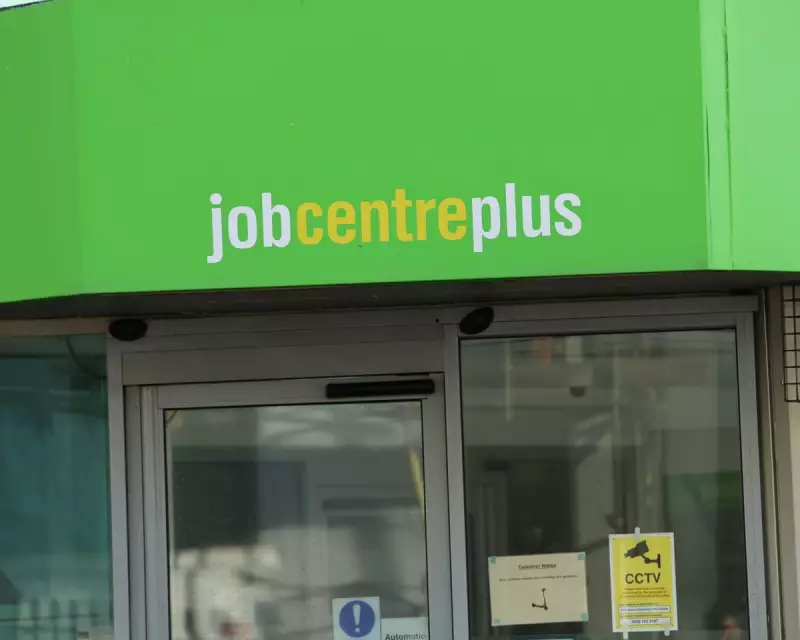
The UK faces a significant rise in unemployment in 2026, driven by the predicted collapse of long-struggling 'zombie' companies, according to a major economic forecast. The Resolution Foundation thinktank warns that a combination of sustained higher costs will prove fatal for underperforming businesses, with short-term job losses preceding potential long-term economic gains.
The Triple Whammy Squeezing Businesses
In its new year outlook, the Foundation identifies a "triple whammy" of multiyear increases that businesses are now grappling with. This potent mix consists of higher interest rates, elevated energy prices, and a rising minimum wage. These pressures, building over several years, are set to "finish off" some underperforming companies that have until now managed to stay afloat.
This forecast comes at the start of a potentially pivotal year for the economy. The Bank of England raised interest rates 14 consecutive times between December 2021 and August 2023 to combat inflation. Although the base rate has been cut six times from a peak of 5.25% to 3.75%, operating costs for firms remain substantially higher than pre-pandemic levels.

Creative Destruction and the Productivity Puzzle
The report suggests 2026 could become a "turning point" after decades of sluggish productivity growth—a key measure of economic output per hour worked that is vital for improving living standards. Ruth Curtice, Chief Executive of the Resolution Foundation, indicated there are early signs of a "mild zombie apocalypse."
"Higher interest rates and minimum wages have combined to kill off struggling firms and leave the door open for new, more productive ones to replace them," Curtice stated. This process, known as "creative destruction," sees newer, more efficient firms and processes replace older, less productive ones. The adoption of artificial intelligence is also noted as a potential factor in this shift.
Short-Term Pain for Long-Term Gain?
However, the Foundation cautions that this necessary economic restructuring will have a painful human cost. The short-term impact is likely to be job displacement and higher unemployment. The UK unemployment rate already hit 5.1% in October, its highest level outside the Covid pandemic in a decade.
Business confidence appears to be waning under the strain. A separate survey by the British Chambers of Commerce (BCC) of over 4,600 firms found confidence slumped to a three-year low in the final quarter of 2025. In the survey, conducted between 10 November and 8 December, tax was the biggest concern, followed by inflation. Only 46% of companies expected turnover to increase in the next year.
David Bharier, Head of Research at the BCC, said: "Our data shows more clouds have gathered over business confidence, and the outlook for SMEs in 2026 is unsettled." Business leaders have cited tax increases and the rising living wage as factors deterring hiring.
The Resolution Foundation urges policymakers to focus on supporting living standards through this turbulent period, noting that disposable income growth is set to remain mediocre. "We must hope – but more importantly act – to ensure that 2026 is a turning point year for lifting living standards too," Curtice concluded.






