

The future of domestic chores, personal computing, and mobile communication has been vividly outlined at the CES 2026 technology showcase in Las Vegas. The sprawling event, which concluded this week, served as a global stage for startups and industry giants to present their most advanced prototypes and imminent product launches.
The Rise of the Practical Home Robot
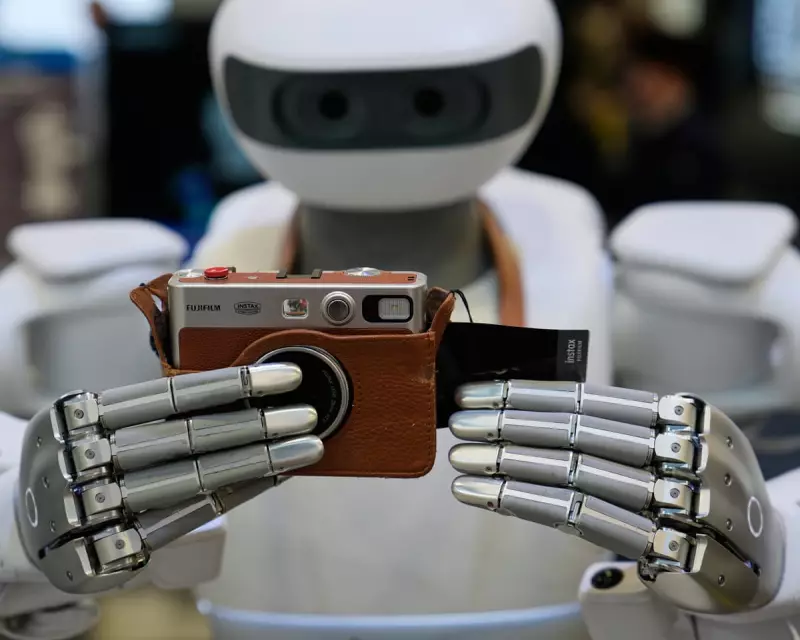
This year's show demonstrated that humanoid robots are marching decisively from concept to reality. The exhibition floor was crowded with myriad prototypes, many operating with a new level of autonomy. A key battleground is the laundry room, with two distinct robots vying for attention.
LG's CLOiD home robot, resembling a torso on a rolling platform, autonomously performed chores linked to kitchen appliances and is slated for real-world testing next year. Meanwhile, the Chinese firm Switchbot unveiled its Onero H1, a device that blends the form of a security robot with articulated arms, promising to handle tasks and aiming for a release later in 2026.

In a significant development, Boston Dynamics' Atlas robot has transitioned to a product-ready design. Showcased by parent company Hyundai, the new water-resistant Atlas can lift 50kg and features automatic battery swapping. Hyundai, in partnership with Google's DeepMind, plans to deploy these robots in its manufacturing plants within the next couple of years.
Conquering the Home's Final Frontier: Stairs
Even the humble robot vacuum cleaner is gaining new capabilities. Dreame demonstrated its Cyber10 Ultra model, equipped with an arm to lift objects, but it was the Cyber X concept with four legs and tank tracks that captured imaginations for its potential to climb stairs.
For actually cleaning staircases, Roborock presented a prototype called the Saros Rover. This two-wheeled device uses articulated legs to raise, lower, and jump between steps, cleaning each one as it ascends or descends.
Smarter Kitchens and Transformative Screens
The integration of AI and robotics extended to kitchen appliances. Samsung debuted a new Family Hub fridge featuring voice-controlled doors for hands-free operation. GE took a different approach with its Profile fridge, building in a barcode scanner to automatically add discarded items to a digital shopping list, complemented by an internal camera for remote checks.
In personal computing, Lenovo stole the show with its Legion Pro Rollable concept. This device looks like a standard 16-inch laptop but can unroll its OLED screen horizontally to become a 24-inch monitor. Additionally, the company's ThinkPad Plus Gen 7 Auto Twist is becoming a reality, featuring a motorised hinge that automatically rotates the screen to face the user.
The Return of Tactile Keyboards and Folding Screens
The smartphone arena saw two distinct trends. Samsung showcased its cutting-edge Galaxy Z TriFold, an Android device that unfolds from a phone into a large widescreen tablet. Having launched in South Korea in late 2025, it is expected in the US and other markets in the first half of 2026.
For those yearning for physical keyboards, the accessory company Clicks is channelling the spirit of the BlackBerry. Its new Communicator is a dedicated Android phone with a tactile keyboard, designed as a "communication companion" that prioritises messaging. It includes a notification LED and a fingerprint scanner in the space bar, with reservations open for a late 2026 ship date. Clicks also unveiled a slide-out Bluetooth Power Keyboard that doubles as a magnetic wireless charging pack for existing Qi2-compatible phones.
The innovations at CES 2026 signal a year where advanced robotics, adaptive screens, and nostalgic reinventions move closer to becoming everyday realities in homes and workplaces.






