

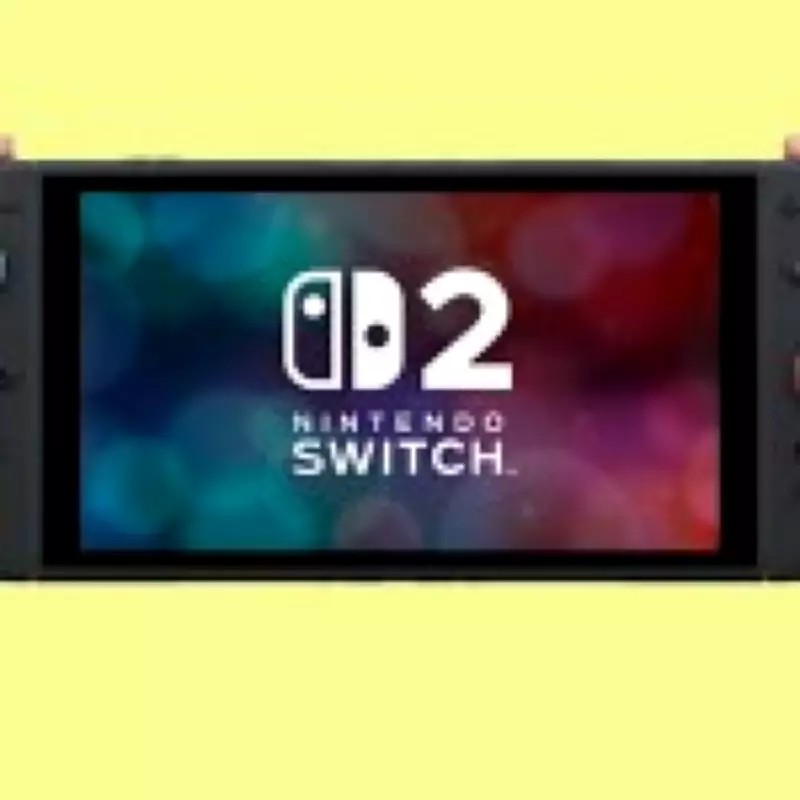
Nintendo Reduces Switch 2 Manufacturing Amid Sluggish Western Sales
Nintendo has reportedly slashed production of its Switch 2 console by up to 30% in response to weaker-than-anticipated demand in Western markets, particularly the United States. This significant reduction comes despite the console's initial record-breaking launch performance, highlighting growing challenges in the current economic climate.
From Record Breaker to Production Cuts
The Nintendo Switch 2 launched in June 2025 as the fastest-selling console in history, quickly surpassing the original Switch's sales pace and reaching 17.37 million units sold. This achievement positioned it as a formidable competitor, with lifetime sales already reaching half of the Xbox Series X/S total despite the Microsoft console's six-year head start.
However, the console's first Christmas season in the United States revealed troubling signs, with sales falling behind the original Switch's pace during the same period. Last month, Nintendo acknowledged that Western sales were "slightly weaker" than projected, and now reports indicate the situation has deteriorated enough to warrant substantial production adjustments.

Manufacturing Targets Revised Downward
According to sources familiar with Nintendo's plans, the company now intends to manufacture approximately four million Switch 2 consoles for the current quarter, a dramatic reduction from the original target of six million units. This 30% cut represents a significant response to underwhelming holiday sales performance, though the full impact of 2026 market conditions remains to be seen.
While Nintendo still aims to reach its goal of 20 million console sales by the end of its financial year in March 2027, this target no longer appears guaranteed. The recent release of Pokémon Pokopia, which sold 2.2 million copies in its first four days, may provide some support, but analysts suggest the challenges extend beyond any single software release.
Economic Pressures and Software Concerns
The Switch 2's £395.99 UK price point and $449.99 US retail price, while lower than competing PlayStation 5 and Xbox Series X consoles, have proven problematic amid ongoing cost-of-living pressures. With economic uncertainty exacerbated by global conflicts and rising component costs due to AI data center construction, discretionary spending on gaming hardware has declined.
Software strategy has also come under scrutiny. Unlike the original Switch, which launched with The Legend of Zelda: Breath of the Wild and followed with Super Mario Odyssey seven months later, the Switch 2's strongest releases—Mario Kart World and Donkey Kong Bananza—both arrived in summer 2025. Subsequent titles have been more niche, with Pokémon Legends: Z-A in October 2025 available on both Switch generations rather than serving as an exclusive system-seller.
Industry-Wide Implications
Nintendo's production cuts signal broader challenges facing the gaming industry. With Sony's PlayStation 6 and Microsoft's Project Helix reportedly targeting 2027 releases as premium-priced products, and Valve's Steam Machine also expected to carry elevated price tags, the timing appears unfavorable for a new generation of expensive consoles.
Industry observers suggest Nintendo may accelerate plans for a Switch 2 Lite model with a lower price point, though the company has provided no official indication of such a device's existence or potential release timeline. The absence of a first-party Nintendo Direct showcase outlining major 2026 software releases has further complicated the situation, leaving prospective buyers with limited visibility into the console's upcoming offerings.
As component costs continue rising due to memory shortages driven by AI infrastructure demands, console manufacturers face difficult balancing acts between technological advancement and consumer affordability. Nintendo's production adjustment represents one of the first major responses to these market realities, with implications likely to extend throughout the gaming hardware sector.






