

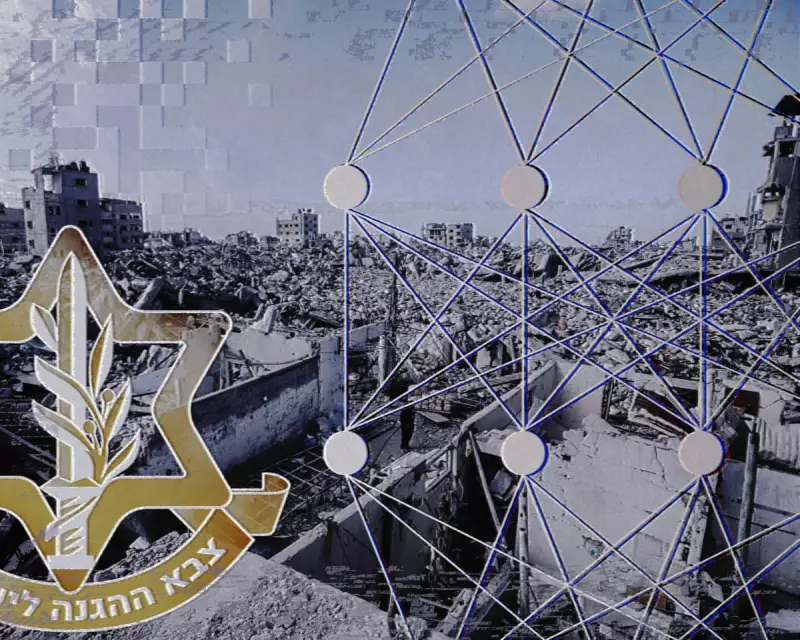
Award-winning investigations by the Guardian, in collaboration with +972 Magazine and Local Call, have exposed a deep and symbiotic relationship between major Silicon Valley corporations and the Israeli military, with profound implications for the conflict in Gaza and the future of warfare.
The Tech Infrastructure Behind Military Operations
This year, reporting by journalists Harry Davies and Yuval Abraham revealed that Microsoft had significantly deepened its ties to Israel, alongside other tech giants. One pivotal investigation uncovered an Israeli mass surveillance programme that collected virtually all Palestinian phone calls, storing the vast troves of audio data on Microsoft's cloud services. This reporting ultimately led Microsoft to launch an internal inquiry and cut off Israel's access to some of its technology.
Further stories detailed how the Israeli military developed a ChatGPT-like AI tool to analyse surveillance data on Palestinians, and how Google and Amazon agreed to extraordinary terms to secure a lucrative $1.2 billion cloud contract with Israel, known as Project Nimbus.

AI, Scale, and Civilian Impact in Gaza
The role of this technology intensified dramatically after the Hamas attacks on October 7. With the Israeli military aiming to bomb hundreds of targets daily in Gaza, demand surged for the storage and analytical power offered by US tech firms. Yossi Sariel, the former head of Israel's elite Unit 8200 intelligence agency, had presciently argued in a book that militaries needed to forge contractor-like relationships with companies like Google and Amazon, akin to those with traditional arms manufacturers.
In practice, AI systems like 'Lavender' were used to assign scores to Palestinians in Gaza, assessing their likelihood of being a Hamas or Islamic Jihad member. This allowed the military to generate targets on a massive scale. "AI allowed the Israeli military to achieve the effective results of carpet bombing without losing the legitimacy of a data-driven assault," explained Yuval Abraham. Sources confirmed that intercepted phone calls from this surveillance dragnet were used in airstrikes that killed civilians.
Legal Risks and Shifting Ground
The revelations have sparked significant internal dissent within the tech companies involved, with employee protest groups emerging. Microsoft explicitly credited the Guardian's reporting for its policy change. The ongoing International Court of Justice (ICJ) case concerning genocide allegations against Israel also poses a potential legal threat to the corporations, raising questions about complicity.
The dependence is now a strategic concern for Israel. "Microsoft's action made many people in the Israeli system nervous," said Abraham. It highlighted the risk of relying on foreign companies that might withdraw services amid shifting US political winds or public opinion, especially as Israel migrates sensitive defence ministry data to these clouds under Project Nimbus.
Looking ahead, the reporters believe they have only seen "the tip of the iceberg". The integration of Silicon Valley's technology in Gaza is being closely studied by other Western militaries, suggesting the model could define future conflicts. The investigation continues to seek whistleblowers to build a fuller picture of how these technologies are used in both Gaza and the West Bank.






