

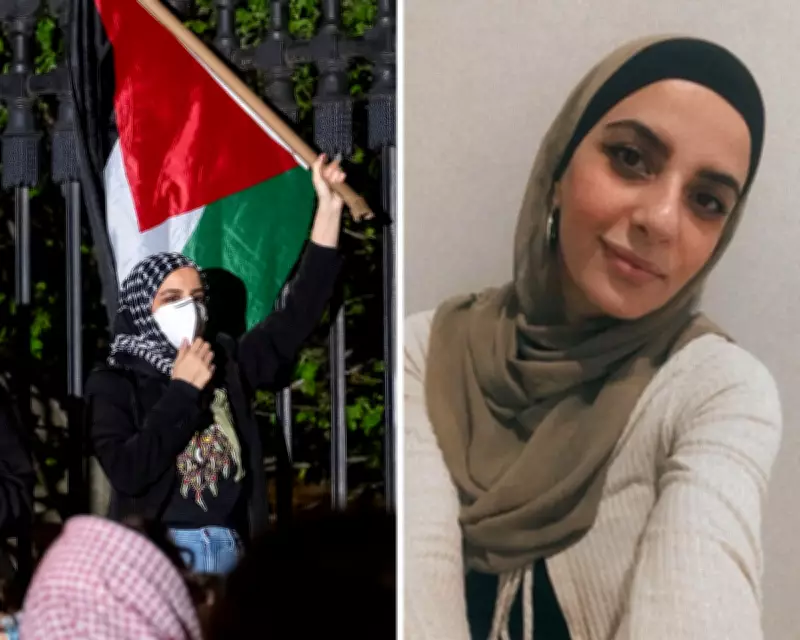
Mounting Pressure for Release of Palestinian Protester in ICE Custody
Calls are escalating for the release of Leqaa Kordia, a Palestinian woman who has been held in immigration detention for nearly a year after her arrest at a pro-Palestine protest. The case has gained renewed attention following a medical emergency, with several elected officials advocating for her freedom.
Arrest and Detention Details
Leqaa Kordia, a 33-year-old originally from the West Bank, was arrested in April 2024 during a protest against Israel's war in Gaza outside Columbia University in New York. Although not a student at the university, she faced charges that were dismissed the following day. However, in March of the following year, nearly a year after the protest, she was taken into custody by Immigration and Customs Enforcement (ICE) when she checked into an office in New Jersey. At the time, she had a pending asylum application, according to her attorney.
Since then, Kordia has been detained at the Prairieland facility in Texas, despite a judge twice ruling that she poses no threat and could be released on bond. Her situation highlights ongoing concerns about immigration enforcement practices.

Health Crisis and Allegations of Neglect
On February 6, Kordia was hospitalized after suffering a seizure while in detention. Her family and attorneys reported being kept uninformed about her condition for three days. She has experienced symptoms such as dizziness, fainting episodes, and significant weight loss since her detention began.
After being returned to the detention center, Kordia issued a statement through her attorneys describing inhumane treatment. She claimed her hands and legs were chained throughout her hospital stay, even during bathroom visits and showers, and she was prevented from contacting her family or receiving attorney visits. "I felt like an animal," she said, adding that ICE facilities are designed to "break people and destroy their health and hope."
Political and Legal Context
Kordia's arrest coincides with a broader administration effort to detain and deport international students involved in Palestine advocacy, such as Mahmoud Khalil and Mohsen Mahdawi. A federal judge in Boston previously ruled that detaining immigrants for their speech is unconstitutional, aimed at chilling free expression. While those students have been released, deportation proceedings continue.
Kordia's immigration status was precarious; she entered the U.S. on a student visa that expired, but she had a pending asylum application and an approved family petition through her mother, a U.S. citizen. Palestinians from occupied territories often lack formal citizenship, making them stateless and rarely deported, but the Trump administration has intensified efforts to remove individuals from the West Bank.
Official Responses and Advocacy
Representative Rashida Tlaib and other members of Congress have called for Kordia's release, with Tlaib stating on X that "ICE targeted her for speaking out against genocide." During an oversight hearing, Representative Nellie Cou of New Jersey questioned ICE's acting director about the failure to inform Kordia's family of her whereabouts and condition. Senators Andy Kim and Cory Booker, along with New York City Mayor Zohran Mamdani, have also demanded her release, labeling the detention as "cruel and unnecessary."
A Department of Homeland Security spokesperson dismissed claims of medical neglect, asserting that detainees receive "the best healthcare they receive in their entire lives." The spokesperson also alleged Kordia provided financial support to individuals in hostile nations, which her attorneys clarified involved sending money to relatives in Gaza, where over 150 family members were killed in Israeli airstrikes.
Personal Impact and Broader Implications
In an op-ed from detention, Kordia, a practicing Muslim, described being denied halal food and surviving on packaged commissary items. She wrote about the "daily battle for basic dignity" for those in ICE custody and drew parallels to Palestinians in Israeli prisons. Her cousin, Hamzah Abushaban, who visited her before the seizure, noted she had become "extremely weak and sick," attributing her detention to retaliation for exercising free speech rights.

This case underscores ongoing debates about immigration enforcement, free speech, and human rights, with advocates arguing it reflects a pattern of targeting dissenters under the guise of immigration control.





