

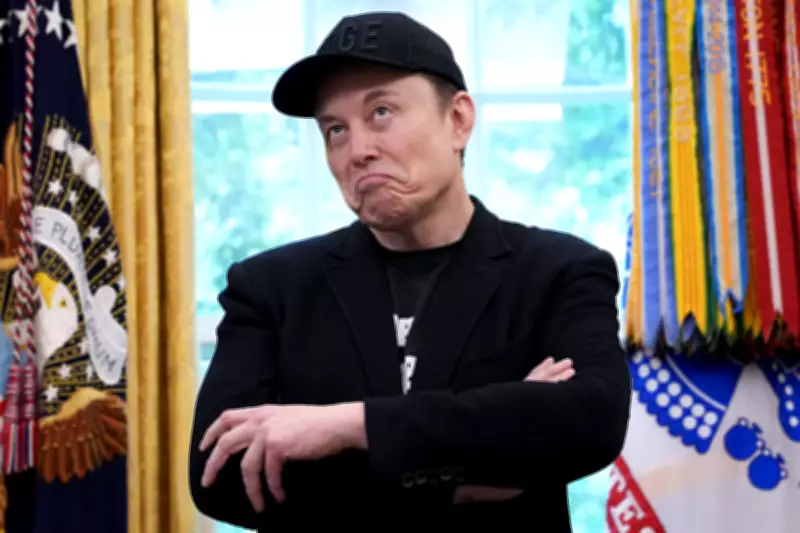
Elon Musk is reportedly planning a groundbreaking approach to SpaceX's highly anticipated initial public offering, with discussions underway to allocate a substantial 30 percent of the offering to retail investors. This move represents a significant departure from standard Wall Street practices, where retail allocations typically range between just five and ten percent of an IPO.
Unprecedented Retail Allocation Strategy
The proposed structure, which remains under development and has not been finalized, would provide individual investors with far greater access than usual to what could become one of the largest stock market debuts in recent memory. SpaceX is preparing for a potential debut that could value the company at up to $1.75 trillion (£1.32 trillion), making this allocation strategy particularly noteworthy.
Tapping into Musk's Cult Following
The strategic decision appears designed to leverage Elon Musk's extensive personal following and the company's long-term supporters as SpaceX moves toward its public market debut. According to reports, SpaceX finance chief Bret Johnsen has been actively discussing this innovative plan with banking partners, with the company taking a more hands-on approach to structuring the entire IPO process.

Banking Roles Clearly Defined
Rather than allowing banks to compete broadly for investor demand in the traditional manner, Musk has reportedly assigned specific, tightly defined roles to different financial institutions. Bank of America is expected to focus primarily on U.S. high-net-worth individuals and family offices, while Morgan Stanley will handle smaller retail orders from individual investors.
Other major banks have received regional mandates, including Barclays for the United Kingdom market, Deutsche Bank for Germany, and Royal Bank of Canada for the Canadian market. This structured approach represents a departure from conventional IPO banking arrangements.
Testing Retail Demand Expectations
The unusually large retail allocation indicates strong expectations of demand from individual investors, ranging from smaller shareholders to wealthy family offices that have followed SpaceX through its private market phase. Rowan Taylor, managing partner at Liberty Hall Capital Partners, commented on the significance of this moment, stating, "This is one of those lifetime moments in which people may say they just have to get in."
Seeking Stable Long-Term Holders
SpaceX appears to be betting that these retail investors will become more stable, long-term holders compared to short-term traders, potentially helping to avoid the sharp sell-offs often witnessed following high-profile listings. This strategy reflects a broader consideration of post-IPO market stability and shareholder composition.
Strategic Reshaping and Added Complexity
The monumental IPO comes as Elon Musk continues to reshape SpaceX's broader strategic direction. His recent decision to fold xAI into SpaceX has strengthened the company's positioning as a combined infrastructure and artificial intelligence enterprise. However, this integration also introduces additional complexity to the investment case.
While SpaceX maintains profitability and dominance in the commercial rocket launch sector, xAI represents a cash-intensive business operating within a highly competitive artificial intelligence landscape. This dual nature of the combined entity creates both opportunities and challenges for potential investors evaluating the company's long-term prospects.
The proposed retail allocation strategy, combined with the company's hands-on approach to IPO structuring and the integration of artificial intelligence capabilities, positions SpaceX's potential public offering as one of the most closely watched financial events in recent corporate history.






