

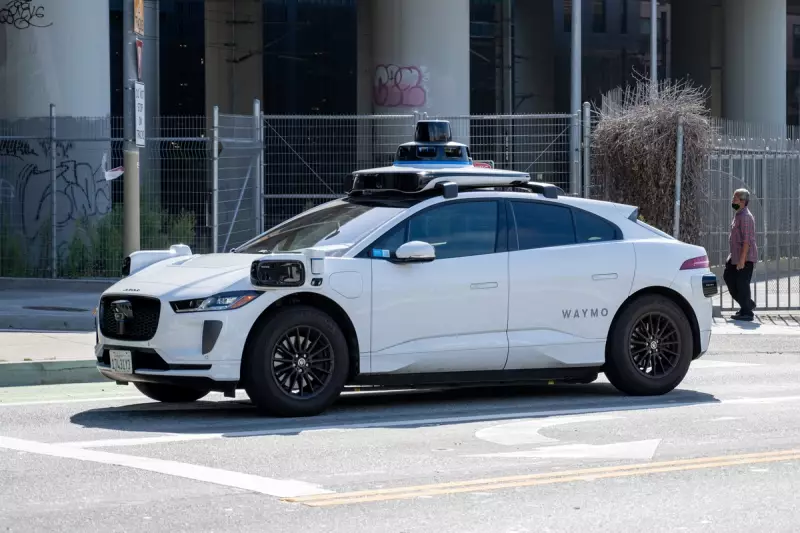
A major power failure in San Francisco last weekend triggered a scene reminiscent of a dystopian tech thriller, as Waymo's fleet of self-driving cars ground to a synchronised halt. The incident has cast a stark light on the challenges awaiting the autonomous vehicle giant as it prepares to launch its robotaxi service in London in 2026.
A 'Black Mirror' Moment in San Francisco
The chaos unfolded on Saturday 30 December 2025, after a substation fire left a third of San Francisco without electricity. With traffic signals dark, the city's normally proficient Waymo vehicles encountered a critical failure. Social media was quickly flooded with videos showing multiple robotaxis idling motionless at the same junctions, their hazard lights blinking in eerie unison while confused human drivers navigated around them.
The company was forced to suspend its service in the affected zone for approximately 18 hours. A spokesperson for Waymo explained the scale of the problem, stating the outage "caused gridlock across San Francisco" and acknowledging their technology must better "adjust to traffic flow during such events."

The System Was 'Overwhelmed'
According to the company, the core issue was a backlog in processing "dark intersections." Normally, a Waymo car treats a non-functioning traffic light as a four-way stop and can request guidance from a remote operations team if unsure. However, the unprecedented scale of the blackout, with countless failed signals simultaneously, completely overwhelmed this system.
"In limited instances on Saturday night, the [robotaxi] Driver sought additional context," Waymo said. "However, the unprecedented scale of the power outage and its impact on local connectivity resulted in some delays to those confirmations." The result was a fleet of cars effectively paralysed, waiting for instructions that were slow to arrive.
Industry experts like Rodney Brooks, founder of iRobot, called it an inevitable "edge case"—a rare scenario that exposes unforeseen vulnerabilities. Even Elon Musk seized the moment, claiming on his platform that Tesla's robotaxis were unaffected by the same event.
London Presents a Far Tougher Test
This San Francisco snag is more than a cautionary tale; it's a direct preview of the potential hurdles in older, denser European cities. London's launch, scheduled for 2026, will face narrower streets, more complex labyrinthine layouts, notorious congestion, and arguably less patient pedestrians and drivers.
The stakes for a similar failure in the UK capital are significantly higher. A single stalled Waymo might be technically safe, but a cascade of them blocking key arteries could bring large swathes of the city to a standstill.
Waymo insists it is already incorporating lessons from the outage. "We are already learning and improving from this event," their spokesperson confirmed. Nevertheless, the episode raises urgent questions for UK regulators, investors, and city planners.
Key issues now under scrutiny include:
- How autonomous systems will cope when critical infrastructure fails.
- The need for rigorous stress-testing in truly chaotic scenarios, from sudden blackouts and flash floods to erratic bus stops.
- The broader public safety and gridlock risks if a large fleet encounters a systemic failure.
For London, the message from San Francisco is clear: the path to a driverless future must be paved with robust contingency plans for when the lights literally go out.






