

London's leading share index opened the new year with significant gains on Monday, propelled by soaring defence and mining stocks in the wake of dramatic geopolitical developments in Venezuela.
Market Rally Driven by Geopolitical Shock
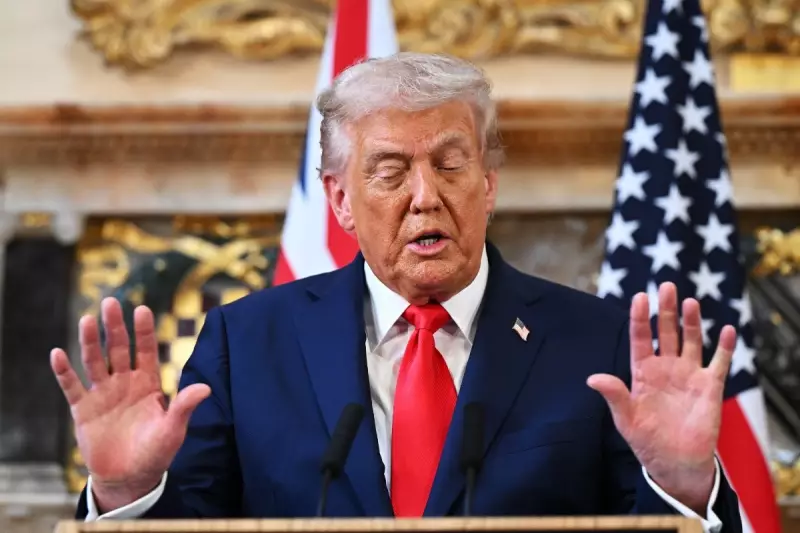
The FTSE 100 sprang up towards the symbolic 10,000 points mark in early trading on Monday 05 January 2026, before settling 0.2 per cent higher at around 9,970. The rally was directly triggered by the fallout from the United States' capture of Venezuelan President Nicolas Maduro. President Donald Trump's military action and his openness to further escalation sent immediate ripples through global markets, benefiting sectors seen as safe havens or direct beneficiaries of conflict.
Top Performers: Gold and Defence in Focus
Leading the charge were gold miners and defence contractors. Shares in Endeavour Mining and Fresnillo jumped over four per cent, mirroring a 2.2 per cent surge in the gold price to $4,424 an ounce as investors sought safety.

In the defence sector, Babcock rocketed 4.4 per cent to an all-time high of 1,329p. BAE Systems saw a 4.5 per cent gain, while engineering giant Rolls-Royce climbed 2.3 per cent. This surge followed President Trump's refusal to rule out military action in Colombia and his reiteration of interest in US control of Greenland and potential action against Cuba.
Oil, Venezuela, and a Global Power Play
The arrest of Maduro, who is set to appear in US Federal Court in New York, is rooted in US accusations against Venezuela on drug trafficking and migration. However, Venezuela's vast oil reserves—estimated at 303 billion barrels, roughly 20 per cent of the global total—are a central strategic prize. Trump has stated intentions for US oil majors to "run" Venezuela, investing billions to fix infrastructure and ramp up production from its current meagre export level of 900,000 barrels per day.
Analysts suggest this move could allow the US to control global energy flows, particularly affecting China, Venezuela's biggest customer. Jordan Rochester of Mizuho Bank noted: "By controlling Venezuela, the US doesn't need to own the oil; it just needs a hand on the tap." This could force China to pay higher market rates for crude.
Despite the tensions, Brent crude oil prices fell nearly 1.3 per cent on the day. The UK government's formal response is awaited, with Foreign Secretary Yvette Cooper expected to address MPs.
Chris Beauchamp, chief market analyst at IG, told City AM that the slow start to corporate news year was "more than compensated" by the dramatic events in Venezuela, underscoring how geopolitical shocks continue to drive market sentiment at the dawn of 2026.






