

Oil Prices Skyrocket Following Trump's Remarks on Iranian Oil
The price of oil surged sharply to $116 a barrel on Monday after former US President Donald Trump declared his intention to "take the oil in Iran," sparking widespread investor anxiety and triggering significant declines in Asian stock markets. Brent crude, the global benchmark for oil, experienced a 2% increase in early trading, driven by Trump's comments about potentially seizing Kharg Island, a critical Iranian export hub.
Trump's Controversial Statements Escalate Market Fears
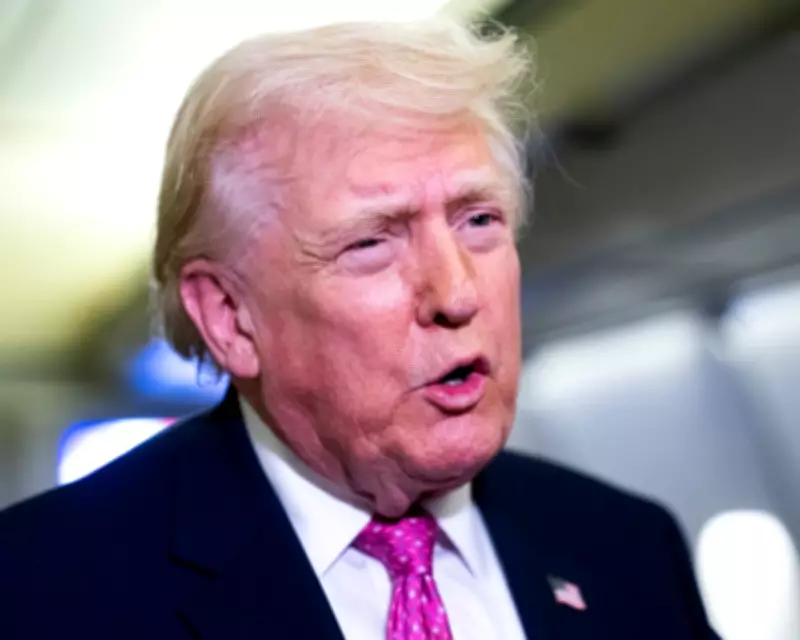
In an interview with the Financial Times on Sunday, Trump expressed his desire to confiscate Iranian oil resources, stating, "To be honest with you, my favourite thing is to take the oil in Iran, but some stupid people back in the US say: 'why are you doing that?' But they're stupid people." He added, "Maybe we take Kharg Island, maybe we don't. We have a lot of options." These remarks have intensified concerns over a potential escalation in the Middle East conflict, which has already seen heightened military activity, including the arrival of an additional 3,500 US troops in the region.
Asian Markets Plummet Amid Oil Supply Concerns
Asian stock markets reacted violently to the news, with economies in the region heavily reliant on oil and gas supplies from the Gulf. Japan's Nikkei index dropped by 3%, while South Korea's Kospi fell 3.4%, and Hong Kong's Hang Seng index declined by approximately 1%. The conflict has expanded dangerously, with Houthi rebels in Yemen entering the fray by firing ballistic missiles at Israeli sites, further threatening global energy stability.

Analysts at Deutsche Bank noted, "There's still no sign of a clear end to the conflict, and given the various headlines, investors remain fearful about a fresh escalation." The war has propelled oil prices to historic levels, with Brent crude on track for its largest monthly gain ever, surpassing 50% since early March and exceeding the previous record set in September 1990 after Saddam Hussein's invasion of Kuwait.
Global Energy Crisis Deepens with Supply Disruptions
Brent crude reached as high as $119.50 a barrel in March, its peak since June 2022, after Iran nearly closed the Strait of Hormuz, a vital passage for one-fifth of global oil and gas shipments. Ipek Ozkardeskaya, a senior analyst at Swissquote, warned, "There are bets that crude could rise to $150 and even to the $200 per barrel level if the war doesn't end quickly. I believe that demand would be heavily hit if prices go that high. Above $120-130 per barrel, global recession odds would take the upper hand and tame upside pressure."
Additionally, aluminium prices jumped more than 5% in Asia following Iranian strikes on aluminium producers in Bahrain and the UAE over the weekend, compounding market volatility.
Political and Economic Responses to the Crisis
In response to the escalating situation, UK Prime Minister Keir Starmer is scheduled to hold talks with executives from major energy companies such as Shell, BP, and Equinor, as well as leaders from the finance, insurance, and shipping industries, to discuss emergency measures to address the crisis, particularly concerning the blockade in the Strait of Hormuz.
Meanwhile, Chancellor Rachel Reeves is expected to urge G7 nations to accelerate their transition to clean energy to protect economies from oil and gas price shocks, as she and Energy Secretary Ed Miliband participate in a virtual meeting with G7 finance and energy ministers. Industry experts have also cautioned about potential "temporary shortages" at UK petrol pumps, with average petrol prices already exceeding 150p per litre due to the conflict.
The ongoing Middle East turmoil continues to pose significant risks to global markets, with oil prices and stock indices remaining highly sensitive to geopolitical developments.






