

Shares in engineering giant Rolls-Royce propelled London's blue-chip FTSE 100 index to a significant recovery this morning, with the market buoyed by renewed hopes for peace talks in the Middle East. The dramatic surge follows weeks of volatility that had pushed the index below the psychologically important 10,000-point threshold.
Market Rebound After Weeks of Turmoil
Rolls-Royce stock rocketed as much as seven percent at market open, reaching 1,215.00p per share. This remarkable recovery comes after the FTSE 100 endured its worst monthly performance since the COVID-19 pandemic, with Rolls-Royce – one of London's most valuable companies with a market capitalization exceeding £100 billion – suffering substantial losses during the recent market sell-off.
The aerospace and defense manufacturer remains approximately 10 percent down over the past month, but Wednesday's surge signals a potential turning point for investor sentiment. The broader market recovery was further supported by strong performances from defense contractor Babcock and British Airways parent company IAG, both advancing over five percent in early trading.

Political Comments Fuel Optimism
The market optimism stems from comments by former US President Donald Trump, who stated at the White House that America would "leave" Iran within "two to three weeks." While describing reaching a deal as "irrelevant" to America's timetable, Trump noted that Iran was "begging" for an agreement.
These remarks helped soothe investor nerves that had become increasingly frayed over the past month. Chris Beauchamp, chief market analyst at IG, told City AM: "Investors will feel like their head is spinning after yesterday's 'buy everything' surge in global stock markets. Whether it was from short-covering, mad-cap bargain hunting or just some quarter-end shenanigans, many will hope that stocks have found a low, particularly if the US does decide to shuffle off the stage in the Middle East."
Energy Market Implications
The potential resolution of Middle East tensions brought immediate relief to energy markets, with Brent crude – the international benchmark for oil prices – tumbling nearly four percent on Wednesday morning and slipping below $100 per barrel. This price drop serves as a crucial indicator of reduced market volatility amid the conflict.
An end to hostilities would provide much-needed reprieve for companies grappling with fuel shortage concerns. The aviation sector has been particularly hard hit, with thousands of flights cancelled globally as airlines struggle with surging fuel costs that have directly impacted firms like Rolls-Royce and IAG.
Aviation Sector Response
Budget airline Wizz Air, which had issued a €50 million profit warning due to war-related disruption, jumped over seven percent during early Wednesday trading amid hopes of conflict resolution. However, Business Secretary Peter Kyle offered a more cautious perspective during a Times Radio interview, insisting there was currently no supply chain issue for jet fuel.
Kyle stated: "I was looking immediately after the conflict started, where we interact in order to get resilience into our society, into our economy. We've been working with all these key sectors, identifying sectors where there may well be challenges down the track."
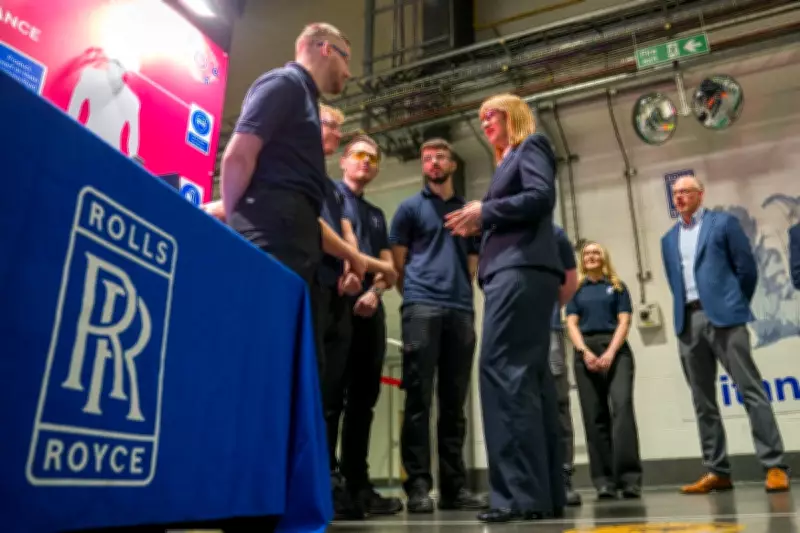
The market recovery comes after Chancellor Rachel Reeves visited Rolls-Royce facilities last year, highlighting the company's strategic importance to the UK economy. As one of the City's heavyweight stocks, Rolls-Royce's performance often serves as a bellwether for broader market sentiment and economic confidence.






