

US Markets Witness Sharpest Decline Since Start of US-Israel War with Iran
On Thursday, US financial markets recorded their most significant downturn since the initiation of the US-Israel conflict with Iran, driven by escalating oil prices and volatile political rhetoric. The Dow Jones Industrial Average closed down by 450 points, while the S&P 500 index declined by 1.7%. The technology-focused Nasdaq fell by 2.3%, entering correction territory, defined as a drop of at least 10% from a recent peak.
Oil Price Surge and Inflation Concerns Intensify
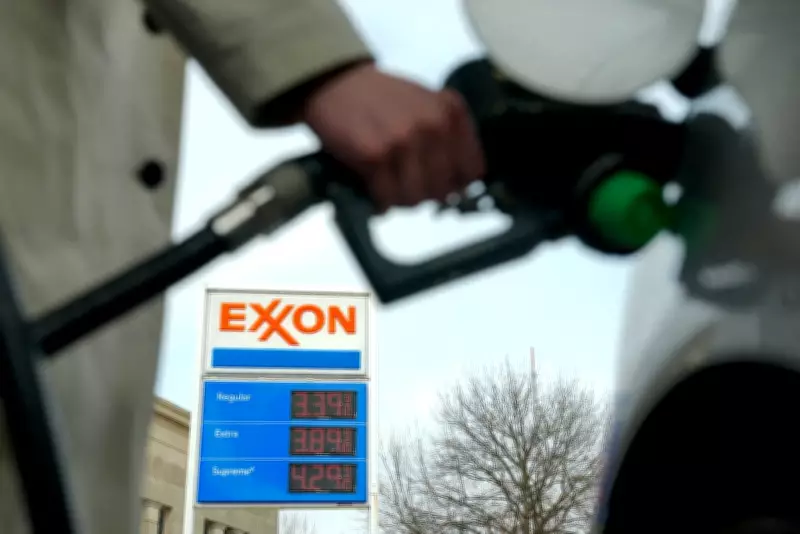
Oil prices have skyrocketed since the outbreak of the conflict, reaching levels not observed since the Russian invasion of Ukraine in 2022 and 2023. By the end of trading on Thursday, Brent crude oil, the global benchmark, was approximately $107 per barrel, and US crude oil hit $93 per barrel. According to AAA, average US gasoline prices at the pump rose to $3.98 per gallon, exacerbating inflationary pressures.
A new report from the Organization for Economic Cooperation and Development (OECD) estimates that US inflation will average 4.2% this year, compared to about 2.6% in 2025. This increase reverses earlier expectations of robust global economic growth prior to the conflict. Across G20 countries, inflation is projected to be 1.2% higher on average, largely due to elevated oil prices that ripple through supply chains. The OECD highlighted that fertilizer prices, heavily imported from the region, could particularly impact costs.

Trump's Mixed Messages Fuel Market Uncertainty
Former President Donald Trump contributed to market instability with contradictory statements regarding the conflict. During a cabinet meeting, Trump remarked that oil prices "have not gone up as much as I thought," predicting they would "come back down to where it was, and probably lower." He also suggested that the stock market impact would reverse once the conflict concludes.
However, earlier in the day, Trump posted a warning to Iranian negotiators, urging them to "better get serious, before it's too late," adding, "Once that happens, there is NO TURNING BACK, and it won't be pretty!" This was followed by a statement claiming "very substantial talks" with Iran and noting that the country allowed 10 oil tankers to pass through the blocked Strait of Hormuz, which Trump described as a "present" to the US.
After markets closed, the White House announced an extension of a pause on strikes against Iranian energy infrastructure by 10 days, until April 6. Trump later asserted that talks were "going very well," despite media reports to the contrary.
Broader Economic Implications and Outlook
The OECD report emphasized that the evolving Middle East conflict poses significant human and economic costs for directly involved nations and will test global economic resilience. Investors have grown increasingly wary as Trump's inconsistent messaging complicates assessments of US negotiations with Iran, further destabilizing financial markets.
This market slump underscores the interconnectedness of geopolitical events, energy markets, and economic indicators, with ongoing volatility expected as the situation develops.






