

Trump's Sanctions Waiver Provides Financial Relief to Putin's Regime
Donald Trump has extended a financial lifeline to Vladimir Putin by waiving a ban on India purchasing Russian oil for 30 days, a move that undermines efforts to choke Russia's economy through sanctions. This decision comes amid a backdrop of geopolitical tensions, where oil serves as a critical instrument of power. Trump's action aims to curb global oil prices, fearing that high pump costs could further dent his domestic popularity, especially with potential spikes from conflicts like those involving Iran.
Sanctions Act as a Tourniquet on Russia's Economy
Over four years since Russia's full-scale invasion of Ukraine, incremental sanctions have tightened like a tourniquet on the Russian economy. Putin's regime heavily relies on hard currency from oil revenues, with gas sales contributing minimal sums in comparison. Recent regional figures reveal that the central state has masked its debts by shifting them to local entities, forcing cuts in investment programs and municipal staff reductions, even in wealthier areas like Moscow.
This economic strain highlights the effectiveness of sanctions, as public authorities can no longer conceal the impact on spending. The White House has implemented severe measures, including freezing assets of major Russian oil companies like Rosneft and Lukoil, and threatening secondary sanctions against foreign entities aiding Russian oil tankers.

Shadow Fleets and Sanctions-Busting Efforts
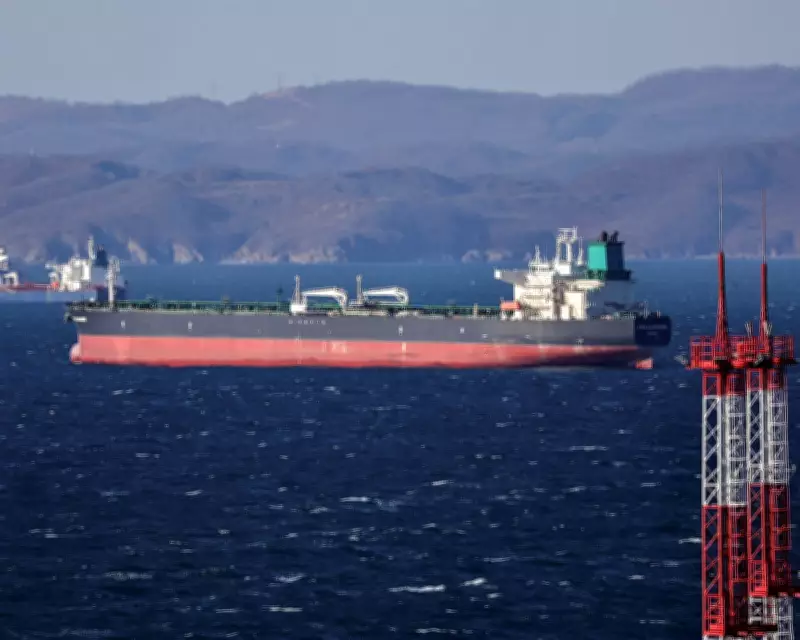
Despite these efforts, a "shadow fleet" of over 450 tankers continues to transport Russian oil under false flags, with rare interceptions such as a US coastguard seizure near Iceland and a Belgian-French operation in the North Sea. Ukraine's alleged sabotage of a Russian gas tanker in the Mediterranean underscores frustration over unpunished sanctions-busting, as much of this fleet reaches its destinations unimpeded.
Additionally, a thriving export of cars to Russia, including Toyotas, Mazdas, and German luxury models, persists through informal networks involving Chinese intermediaries. Data from Autostat shows that vehicles made in China and sent to Russia have more than doubled since 2023, now accounting for nearly half of sales from sanction-imposing countries. Carmakers claim attempts to halt unauthorized exports, but enforcement remains lax.
Global Oil Market Dynamics and European Responsibility
Fears of oil price spikes if Russia's 10% market share is completely blocked have hindered efforts to cap payments. With Brent crude rising from $60 to about $90, conflicts like those in Iran exacerbate the situation. Economists argue for methods to pressure Russia without spiraling prices, but Trump's waiver to India suggests such arguments may be ignored in the short term.
As Trump faces domestic challenges with rising unemployment and inflation, Europe must take a firmer stance. Strengthening sanctions on car dealers and other businesses with Russia is crucial to prevent defeating Putin from falling off the agenda. The ongoing conflict demands sustained economic pressure to weaken the regime's financial foundations.






