British companies are being urged to formulate robust contingency strategies as they face the looming threat of substantial new tariffs from the United States. The warning comes ahead of potential action by President Donald Trump, who is reportedly considering imposing a 10 per cent levy on imports from major European economies, including the UK, as soon as next month.
Significant Financial Impact Forecast
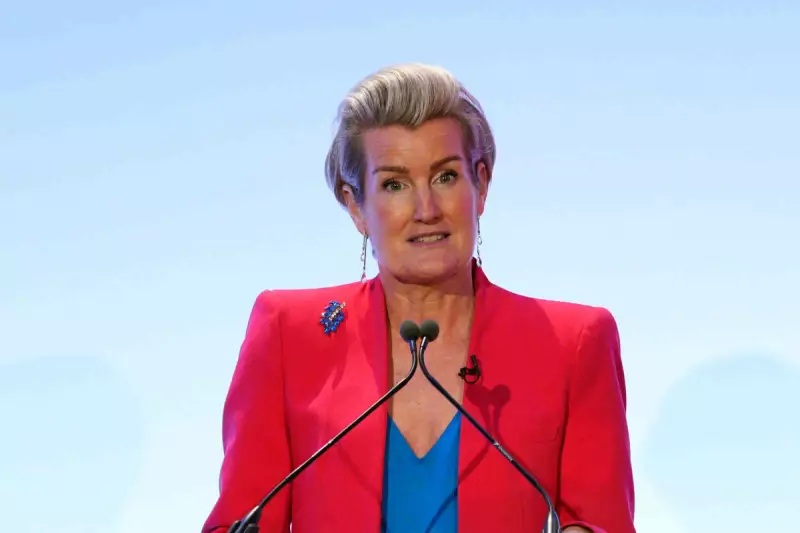
Shevaun Haviland, the Director General of the British Chambers of Commerce (BCC), has advised firms to brace for a significant financial blow. Business analysts have calculated that the initial tariff impact could reach a staggering £6 billion by February 2026. This figure could escalate dramatically to approximately £15 billion if the US administration decides to increase the tariff rate to 25 per cent.
The potential measures are linked to an ongoing diplomatic dispute concerning Greenland. Haviland emphasised that the government has so far maintained a calm and negotiated approach, which she supports. "Throughout tariff developments, the government has kept a cool head and continued to negotiate," she stated, noting this stance has helped secure a competitive edge for UK goods like steel and pharmaceuticals in the US market.

Uncertainty and Sector-Specific Risks
The precise ramifications for different industries remain unclear, as no formal executive orders have been signed by President Trump. Leading business organisations have been cautious in their public statements, with many executives still assessing how their sectors might be affected.
There is some speculation that sectors which gained advantages from the US-UK trade deal finalised after April's Liberation Day last year might be shielded. Potentially vulnerable areas include car manufacturing and pharmaceuticals, both of which are significant contributors to the UK's GDP. However, economists warn that disruptions in these sectors could still dampen overall economic growth.
Contingency Planning and Legal Challenges
Haviland met with Trade Minister Chris Bryant on Monday 19 January 2026 to discuss the escalating situation. She stressed that the government "should keep everything on the table" during negotiations and must be ready with support plans, particularly for small and medium-sized enterprises (SMEs) who may face severe difficulties.
"Many firms, especially small and medium-sized businesses, will now be facing difficult decisions and we urge it to consider its contingency plans for support should the worst happen," Haviland added.
Complicating the outlook further is an impending US Supreme Court ruling on retaliatory tariffs. Analysts at ING, led by global head of macro Carsten Brzeski, suggest that a judgment against President Trump regarding his use of the International Emergency Economic Powers Act (IEEPA) could render his current tariff threats "void". Conversely, economists note that the administration could opt to broaden the scope of sector-specific tariffs if it chooses.