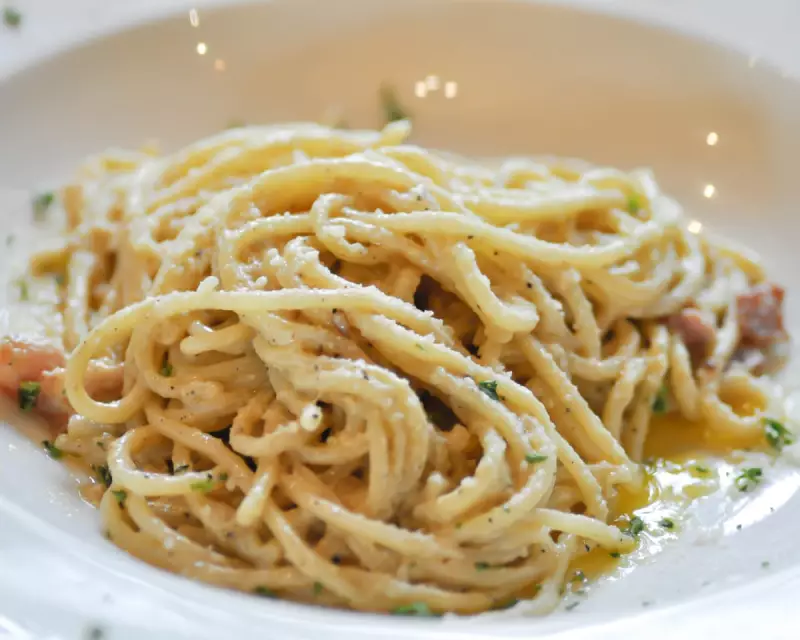
Italian pasta producers have won a significant reprieve after the United States government drastically cut back proposed punitive tariffs that threatened to severely impact the lucrative transatlantic trade.
A Dramatic Reduction in Proposed Duties
The US Department of Commerce (DoC) has reviewed its initial stance and slashed the proposed tariffs on pasta imported from Italy. The original threat from the Trump administration involved duties as high as 92% on 13 major Italian producers, including household names like Barilla, La Molisana, and Pastificio Lucio Garofalo. These companies had been accused of selling their products in the US at unfairly low prices, a practice known as dumping.
Following a preliminary review, the DoC has now reduced these proposed tariffs to a range of between 2% and 14%. According to Italy's foreign ministry, the duty for La Molisana is set to be cut to just 2.26%, while Garofalo would face a tariff of about 14%. The remaining eleven producers in the investigation will see proposed duties of 9.09%.

Critical Market Worth Hundreds of Millions
This decision is crucial for an export market valued at an estimated $770 million (approximately £570 million) annually. The US has stated that the 13 companies under scrutiny account for roughly 16% of all pasta imported from Italy to America.
Any additional duties imposed will be on top of the existing 15% tariff that President Trump has placed on most goods imported from the European Union into the US. Italy's agribusiness association, Coldiretti, had previously warned that the original tariff plan would deal a "fatal blow" to the country's prestigious pasta industry.
The DoC indicated that its preliminary analysis showed Italian pasta makers had "addressed many of [its] questions" during the investigation. Italy's government welcomed the move, stating the recalculation was a sign that "US authorities recognise our companies' constructive willingness to co-operate."
Final Decision and Broader Trade Context
A final decision on the exact level of import duties will be made on 12 March, when the Department of Commerce announces the conclusive results of its analysis. The European Commission had previously stated it was prepared to intervene in the dispute if necessary.
This shift on pasta tariffs occurred amidst other adjustments to US trade policy. The day before the pasta announcement, the US administration said it was delaying planned tariff increases on items like upholstered furniture, kitchen cabinets, and vanities for another year. The White House stated that the US continues to "engage in productive negotiations with trade partners."
The resolution will be closely watched by consumers and retailers on both sides of the Atlantic, as the initial threat of near-100% tariffs had raised fears of dramatically higher prices for popular Italian pasta brands in American supermarkets.