Ancient Magic Exhibition Reveals Humanity's Timeless Quest for Control
From protective amulets for newborn babies to coercive love spells and legal curse tablets, ancient civilizations developed sophisticated magical practices to exert control over their unpredictable worlds. A captivating new exhibition at the Toledo Museum of Art titled Cursed! The Power of Magic in the Ancient World offers unprecedented insight into how Mesopotamian, Egyptian, Greek, and Roman cultures employed supernatural means to navigate life's challenges.
The Universal Human Desire for Influence
"Magic represents a fundamental human desire to gain some mastery over one's environment," explained exhibition curator Dr. Jeffrey Spier, formerly of the J. Paul Getty Museum. "Throughout history, people have consistently sought hidden powers to obtain what they needed or desired."
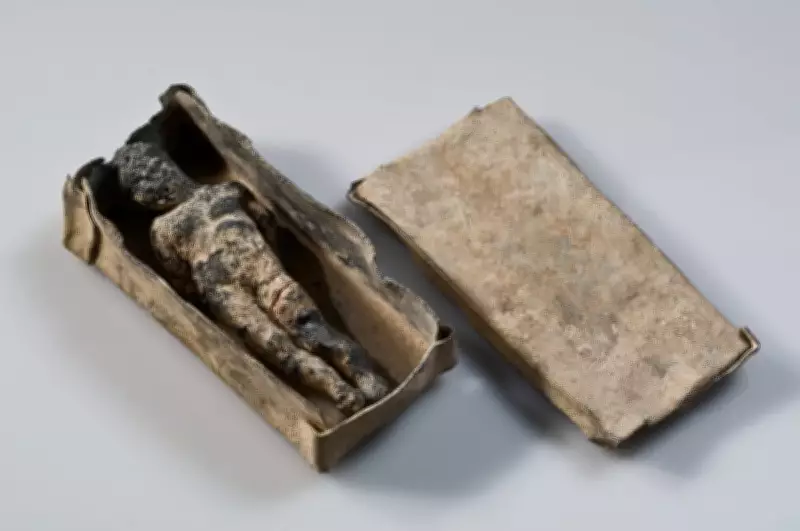
The exhibition showcases how magic emerged alongside literacy in ancient Mesopotamia and Egypt, where scribes meticulously recorded spells that would eventually circulate through society via figurines, amulets, and enchanted objects. "This was practical, everyday magic," Spier emphasized. "These were tangible items that ordinary people actually used in their daily lives."

Ancient Spells for Modern Problems
Visitors will discover that ancient magical practices addressed concerns remarkably similar to contemporary anxieties. Among the most common spells were those designed to undermine opponents in legal disputes—a magical solution to courtroom stress that ancient citizens sought from professional magicians. The exhibition features a piece of red jasper from Paris that was historically used to protect against colic and stomach ailments.
Child protection spells proved particularly popular in societies with high infant mortality rates. "Ancient people feared demons like Lamashtu, who threatened babies and women during childbirth," Spier noted. "They would invoke protective demons like Pazuzu as magical safeguards."
More disturbingly, the exhibition examines coercive love spells that functioned as instruments of control rather than romance. "These were not Valentine's gestures," Spier clarified. "They represented forced compliance, with practitioners summoning spirits of the dead to compel romantic attention—truly horrifying when examined closely."
Magic as Commerce and Fashion
Hiring magical practitioners in ancient times proved surprisingly accessible. In Greece, door-to-door "beggar priests" (as Plato disparagingly called them) offered their services, while marketplaces throughout the ancient world featured magicians available for hire.
In Rome, magic intersected with fashion trends as enchanted gemstones bearing mystical inscriptions became viral sensations across the empire. "These objects spread everywhere, even to distant Roman military camps in Bulgaria," Spier observed. Young women particularly embraced wearing such magical jewelry, demonstrating how supernatural practices could empower marginalized groups seeking social standing.
Statecraft and Social Stigma
While often associated with oppressed communities, magic also served state interests in certain cultures. Mesopotamian and Egyptian priests created figurines of foreign enemies to ritually destroy, while exorcists worked to combat disease-spreading demons threatening entire kingdoms.
Attitudes varied significantly between cultures. In Greece, where magic carried social stigma, even prominent leaders like Pericles reluctantly resorted to enchanted objects during the devastating Peloponnesian War plague—a desperate measure that highlighted Athens' dire circumstances.
The Enduring Legacy of Ancient Magic
The exhibition traces how Alexander the Great's conquests transformed the ancient world into a cultural melting pot, allowing magical traditions to spread and intermingle across civilizations. "Everything changed after Alexander," Spier explained. "We see Egyptian, Babylonian, Greek, Syrian, and Jewish traditions blending in unprecedented ways."
Remarkably, this magical knowledge persisted through Christian, medieval, and early modern periods, only fading in the last century. "We remain connected to this tradition," Spier suggested, pointing to contemporary practices involving crystals, copper bracelets, and magnets that echo ancient magical principles.

Cursed! The Power of Magic in the Ancient World continues at the Toledo Museum of Art through July 5th, inviting visitors to reconsider their own relationship with magical thinking and recognize the enduring human desire to shape reality through supernatural means.