Artist's Radical Performance in Polluted Thames Sparks Conversation on Sewage Crisis
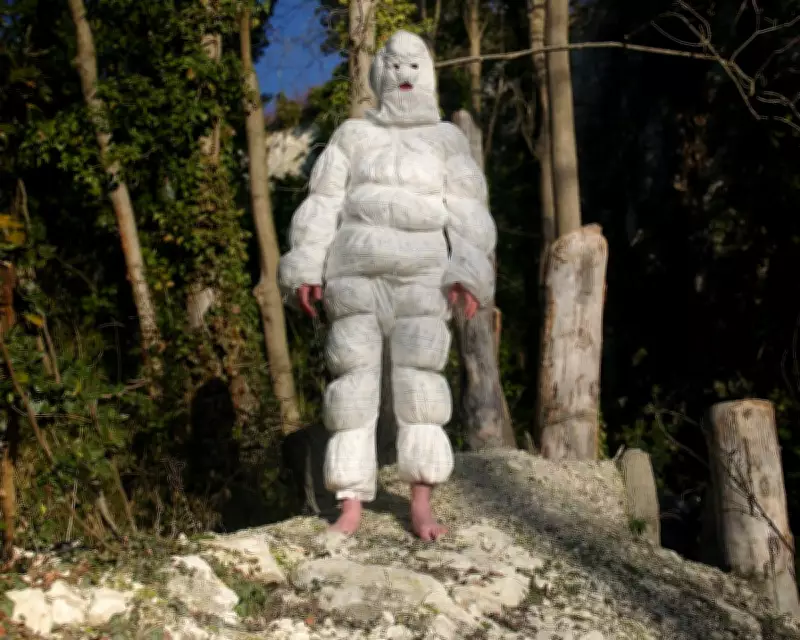
On the muddy foreshore of Deptford, a haunting figure slowly sinks into the murky waters of the River Thames. Performance artist zack mennell, who stylizes their name in lowercase letters, wades into the river up to their belly button as an audience watches with a mixture of fascination and concern. Their bizarre costume, meticulously constructed from 24 adult nappies sewn together, begins to swell with contaminated water and waste, creating a visceral visual statement about pollution.
From Conceptual Art to Physical Illness
mennell's ambitious project, titled (para)site, was conceived as a direct response to alarming revelations about sewage discharge in Britain's waterways and as a commentary on how benefit claimants are often stigmatized as societal parasites. "OK," mennell thought during the project's conception, "I'm going to be the parasite." This artistic statement became tragically literal when the artist contracted Weil's disease from rat urine present in the contaminated Thames water, highlighting the very real dangers of water pollution.
The artist admits their work can appear "a bit weird, a bit intense, a bit silly" to some observers. Growing up near the chalk pits of Thurrock in Essex before immersing themselves in London's vibrant live art scene, which they describe as a "hotspot of queer iniquity and filth," mennell has always felt a powerful connection to the Thames. The river has served as both sanctuary and inspiration throughout their life, including during their journey to sobriety and now as the central element in their artistic practice.

Queer Performance as Community Building
For audiences unfamiliar with live art, mennell's performances can be challenging and confrontational. As artist-in-residence at Rat Park, a queer performance and discussion series, they once drenched themselves in a thick, lubricant-like substance to explore themes of pollution and shame, while another piece involved collecting audience members' saliva as a meditation on community. "It's a confrontation," mennell acknowledges, "but it's also about finding a moment of connection."
In March, mennell will expand this community-focused approach through Common Host, a weekend of performances, screenings, and workshops at Peckham's Safehouses venue. This event will engage with themes of ancient folklore and ecological decay, inspired by the artist's fascination with post-industrial pollution of natural landscapes. "Performance art is a meeting point," mennell explains. "You are creating a community, even if it's a temporary one."
Personal Trauma Transformed into Artistic Material
Much of mennell's work emerges from the intersection of personal experience and physical environment. During a particularly difficult period at university when they experienced a mental breakdown, the artist created a powerful performance piece by standing in the Thames while holding their own NHS psychiatric documents printed on rice paper, watching as the words dissolved into the murky water.
This became the finale of their (para)site project, though they attempted to preserve the adult-nappy costume from the Thames performance, finding that "the smell wasn't healthy" for long-term keeping. In another iteration using the same costume, mennell invited audience members to read their psychiatric documents aloud, gradually dissolving their meaning and power through collective examination.
Redefining Relationships with Contaminated Materials
Given their personal experiences with institutional systems, mennell remains cautious about how their artistic behavior might be interpreted. "There's been a bit of anxiety about my behaviour in performance being pathologised," they admit. However, transforming cold, official documents into artistic material has provided "the only way I could change my relationship with this growing pile" of paperwork.

This therapeutic approach extends to Common Host, where a day-long workshop will invite participants to examine their own difficult relationships with "contaminated" materials and work toward redefining those connections. "It's an invitation," mennell says, "to look at your relationship to an object and redefine it."
Queer Community as Artistic Foundation
Common Host has essentially "curated itself" according to mennell, as it represents a gathering of artistic collaborators and friends. "I make solo work, but it only exists because of these connections," they emphasize. "Queer community is the understanding that our society's focus on family isn't so sturdy. For me, it was coming to London to be among people that are like me."
For mennell, this sense of community represents everything. "Being together is how we go on," they state with conviction. "It's a reason to live." Through their challenging performances and community-building initiatives, zack mennell continues to create art that confronts environmental degradation, institutional power, and the healing potential of collective experience.