Catherine Opie's 'To Be Seen' Exhibition Challenges National Portrait Gallery Norms
The National Portrait Gallery in London has long stood as a monumental tribute to British identity, its halls adorned with oil paintings of royalty, politicians, actors, and thinkers that collectively narrate the nation's cultural and historical tapestry. However, a pressing question lingers: who is absent from these revered walls? This query lies at the heart of American photographer Catherine Opie's groundbreaking exhibition, To Be Seen, now on display on the gallery's second floor until 31 May 2026.
Securing Opie's first major UK exhibition marks a significant coup for the National Portrait Gallery, which has actively worked to shed its traditional image in recent years. The inclusion of Opie's work injects a dose of transgressive cool into the space, as her portraits engage in a powerful dialogue with the world's largest collection of portraiture. This juxtaposition not only challenges visitors' perceptions of who belongs in such an institution but also highlights Opie's deep references to Baroque and Renaissance art.
Queer Icons and Artistic References
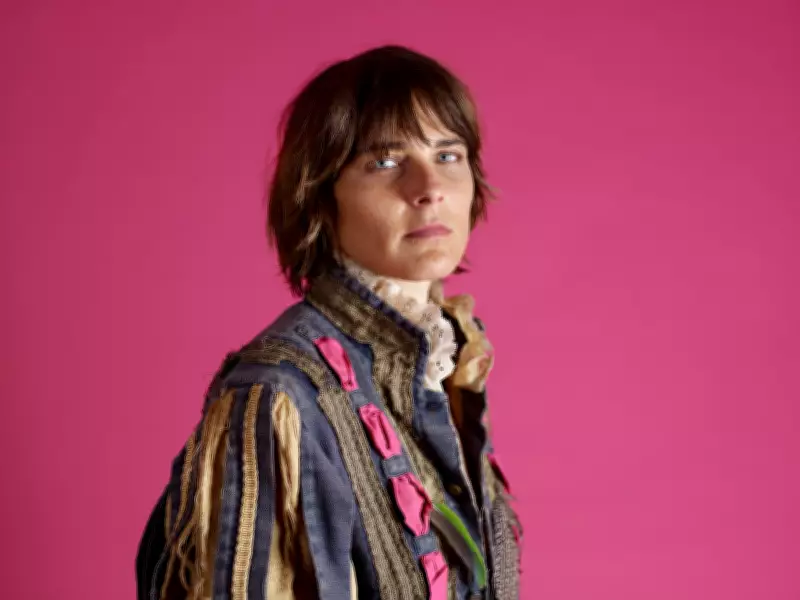
Upon entering the exhibition, visitors are immediately confronted by the piercing gaze of actor Daniela (now Daniel) Sea, renowned for their role as Max in The L Word, which cemented their status as a queer icon through one of the first mainstream portrayals of a trans man on primetime television. In Opie's portrait, Sea stands tall and proud, dressed in a colorful doublet against a shocking pink background, evoking a Tudor princeling through an LA gay lens.

The exhibition thoughtfully utilizes the architecture and sightlines of the space, with irregularly sized, brightly painted rooms that mirror the themed galleries elsewhere in the building. One room features vivid portraits shot on black backdrops, reminiscent of Baroque masters. For instance, a nude portrait of long-distance swimmer Diana Nyad channels Caravaggio with dramatic chiaroscuro, where light seems to emanate from her face, highlighting the gleaming white tan lines crisscrossing her browned back. Similarly, a seated portrait of Opie's grey-bearded friend Lawrence smoking a cigarette echoes the doleful old men depicted by van Dyck or Rembrandt.
Celebrated Works and Lasting Impact
In an inner sanctum within the first room, Opie presents some of her most celebrated pieces, including the seminal 1991 project Being and Having. This series comprises 13 close-up portraits of her dyke friends dressed as their masculine alter-egos, each mounted with an engraved plaque bearing the sitter's nickname. Through these works, Opie argues that the individuals portrayed deserve the same space and consideration as the elite historical figures featured elsewhere in the gallery.
While this message might not seem radical in an era preoccupied with identity politics, the enduring impact of Opie's early work on contemporary queer visual culture is undeniable. From the pages of Dazed magazine to local queer zine fairs, her influence resonates widely, affirming the importance of representation in shaping cultural narratives.
Beyond Queer Portraiture: A Diverse Oeuvre
As the exhibition progresses, it showcases Opie's versatility beyond queer themes. Her early 2000s projects documenting surfers and high-school football players reveal an artist far from a one-trick pony. The portraits of teen athletes are particularly striking, capturing the braggadocio of American masculinity that dissipates in front of the camera, with shoulder pads appearing faintly ridiculous on their lanky frames.
Accompanying the exhibition, Opie has staged a series of 'interventions' throughout the main galleries, placing select photographs alongside similar portraits in the permanent collection. This curatorial choice sparks meaningful interactions, such as when primary school children encountered a 1997 portrait of drag artist Divinity Fudge. One child's gleeful question, 'Why is that man wearing a dress?' prompted giggles from peers and a patient explanation from their teacher, underscoring how such representation can foster dialogue and understanding.

Ultimately, To Be Seen serves as a powerful reminder that expanding the narratives within institutions like the National Portrait Gallery has a tangible impact. By celebrating marginalized voices and challenging traditional norms, Opie's exhibition not only enriches the gallery's offerings but also invites visitors to reconsider the very essence of British identity. With tickets priced at £19.50, this is a must-see for art lovers and cultural enthusiasts alike.