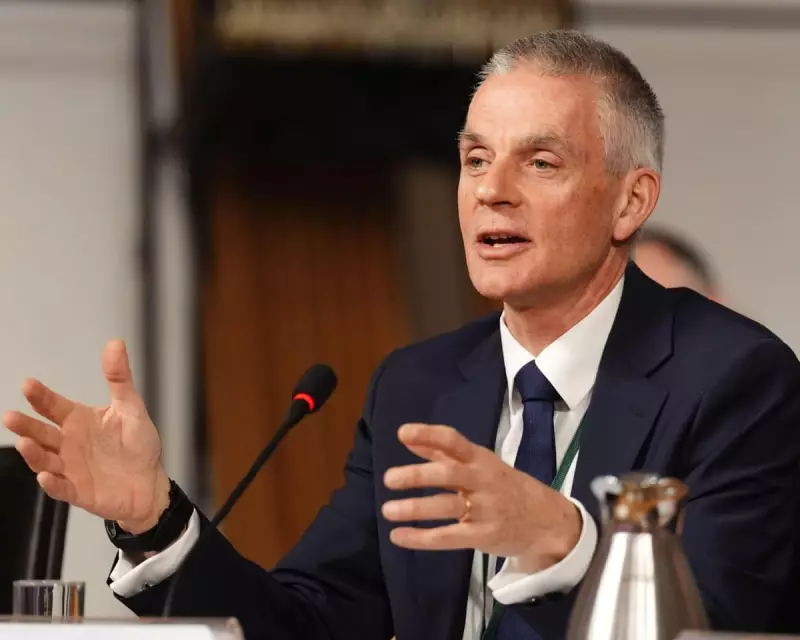
The British Broadcasting Corporation is facing its most significant leadership crisis in years after both director-general Tim Davie and BBC News chief executive Deborah Turness resigned following a coordinated political campaign against the broadcaster.
The Resignations That Shook British Media
Tim Davie's departure comes as a particular shock to media observers, with the director-general insisting the decision was entirely his own. Neither the BBC board nor many of the right-wing critics who had been leading the charge against the corporation expected such a dramatic outcome. The simultaneous resignation of Deborah Turness, who had been leading BBC News since 2022, compounds the leadership vacuum at a critical moment for the public service broadcaster.
The crisis began just one week earlier when the Telegraph published what it described as a "devastating memo" from Michael Prescott, a former political journalist who served as an external adviser to the BBC for three years. The 19-page dossier made several serious allegations about BBC coverage, accusing Panorama of doctoring a speech by Donald Trump to make him appear supportive of the January 6 rioters.

Anatomy of a Political Campaign
Prescott's extensive critique, running to approximately 8,000 words, also alleged that BBC Arabic coverage privileged pro-Hamas viewpoints and claimed that LGBTQ employees had excessive influence on gender and sexuality reporting. Despite Prescott's assertion that he has never been a member of any political party and that his views "do not come with any political agenda," the specific criticisms align closely with anti-progressive culture war talking points.
The former Sunday Times political editor expressed being "shocked" that after an hour-long Panorama documentary examining Trump and the January 6 insurrection, there was no equivalent programme about Democratic presidential candidate Kamala Harris. Media impartiality experts have described this as a fundamentally flawed understanding of balance that has previously led to platforms being given to climate change deniers.
Prescott's dossier also criticised the BBC for amplifying "issues of racism," citing a 2022 report by History Reclaimed that accused four BBC programmes of presenting an "overly simplistic and distorted narrative about British colonial racism, slave-trading and its legacy." The BBC had previously responded to History Reclaimed's original criticism by noting that "cherrypicking a handful of examples or highlighting genuine mistakes in thousands of hours of output does not constitute analysis."
Broader Political Context and Internal Divisions
The controversy occurs against a backdrop of significant challenges for the BBC. The corporation is preparing for charter renewal negotiations after more than a decade of licence fee cuts and faces growing political and economic pressures. Former prime minister Boris Johnson's threat to cancel his licence fee follows 300,000 households doing the same over the past year.
Internal divisions have also played a role in the current crisis. Robbie Gibb, a former Conservative government communications chief who now sits on the BBC board after helping launch right-wing channel GB News, is understood to have written a critical note about BBC coverage to the board in early September, several weeks before Prescott's memo became public.
BBC chair Samir Shah immediately ordered Peter Johnston, director of editorial complaints and reviews, to prepare a response, with a briefing discussed at the board meeting on October 16. However, the corporation's public silence throughout the escalating controversy has been interpreted by many as weakness.
The BBC is expected to apologise on Monday for the problematic edit of Trump's speech in the Panorama documentary, though sources indicate this should have been sufficient response rather than triggering leadership resignations. The independent production company October Films, which produced the Trump Panorama, is reportedly now working on a film about Nigel Farage.

In his resignation letter, Davie made an emotional plea for the BBC's future, writing: "We should champion [the BBC], not weaponise it." Many observers fear this appeal comes too late, with the resignations demonstrating to the corporation's critics how little pressure may be required to force significant change at the heart of British broadcasting.