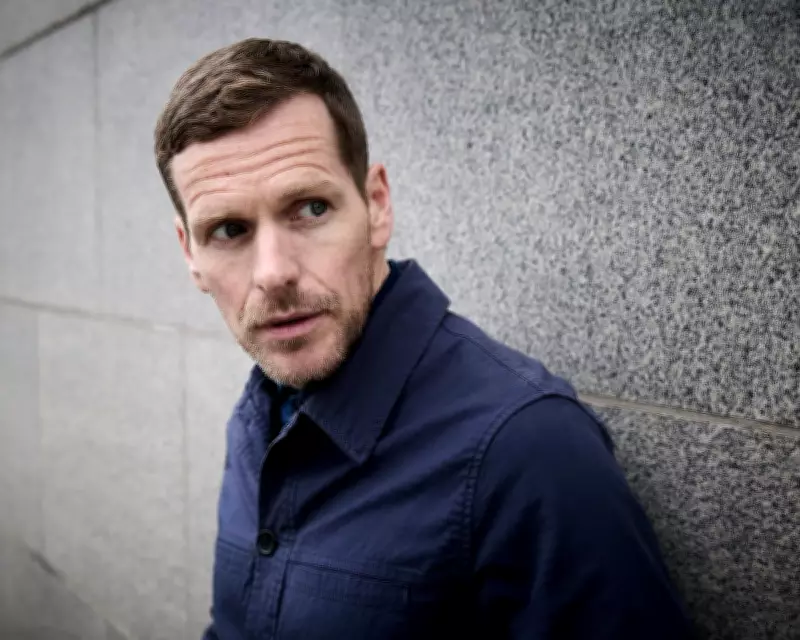
Shaun Evans takes on the role of John Hughes, a maverick MI5 spy with a tumultuous private life, in ITV's latest four-part series, Betrayal. This espionage thriller attempts to blend high-stakes intelligence work with a raw portrayal of marital strife, but often feels like two distinct genres awkwardly forced together.
A Weary Spy in a Grey World
John Hughes has dedicated two decades to the secret service, yet his career is far from the glamorous ideal. Introduced in a grim motorway service station scene, he lies bloodied beside two corpses—a stark contrast to the sleek spy archetype. His reckless methods, such as bypassing protocols to meet informants, have drawn the ire of his superiors, leading to a new partner, Mehreen (Zahra Ahmadi), being imposed upon him from MI6.
Despite orders to step back, John persists in investigating a potential Iranian terror threat, positioning himself as a lone wolf against bureaucratic stiff shirts. The show's aesthetic mirrors his weariness, with settings like dirty car parks, flat-roofed pubs, and musty B&Bs, all captured through oblique camera angles that amplify a sense of malaise.

Domestic Drudgery Overshadows Espionage
At home, John's life is equally bleak. His wife, Claire (Romola Garai), a GP juggling her own demanding career, shoulders the bulk of domestic and emotional labour. Their relationship is strained, marked by missed counselling sessions and John's dismissive tactics. Garai delivers a standout performance, conveying Claire's deep fatigue rather than mere anger, making her character one of the series' most compelling elements.
However, this focus on domestic woes often eclipses the spy narrative. While John's job involves life-or-death stakes and legal secrecy, the show's commitment to realism in his personal struggles sometimes feels out of place in a thriller context. The dialogue frequently relies on exposition to bridge gaps, and plot twists become predictable due to a lack of narrative complexity.
Lacklustre Thriller Elements
The espionage plot itself lacks momentum and energy. John engages in standard spycraft—planting trackers, leaning on sources, and hacking laptops—but these actions unfold in a storyline that feels sluggish and underdeveloped. Cliffhangers in the first two episodes rely on sudden reveals of key information, a shortcut that undermines the tension.
Evans brings a vulnerable, bewildered quality to John, portraying a man grappling with his own flaws, yet the material often lets him down. Similarly, the show's attempts at humour, such as John's sarcastic remarks about mental health provisions or almond milk, fall flat amidst the overall drab tone.
In summary, Betrayal struggles to find its identity, caught between a gritty relationship drama and a lacklustre spy caper. While strong performances from Evans and Garai offer moments of depth, the series ultimately feels too downbeat and fragmented to fully engage viewers.