The BBC faces a major leadership crisis as both its Director-General and News Chief Executive have stepped down following a controversy over editorial standards and political impartiality.
Leadership Exodus at the BBC
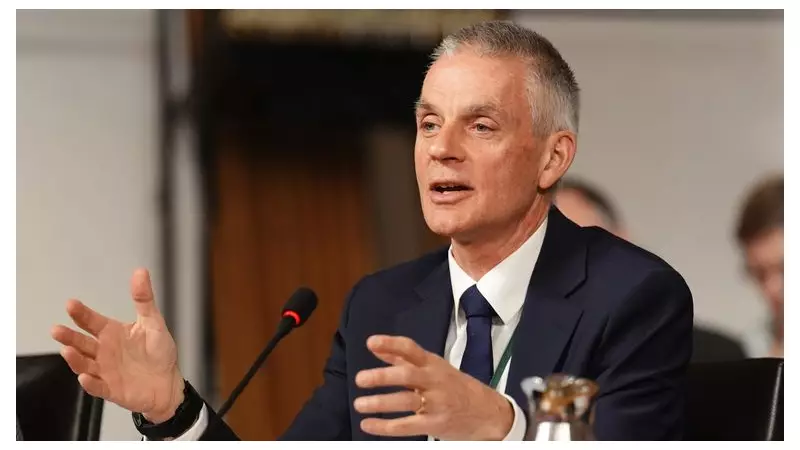
Tim Davie has resigned as the BBC's Director-General, while Deborah Turness, the Chief Executive of BBC News, has also stepped down. The dramatic departures were announced on Sunday, 9th November 2025, as the corporation prepares to issue an apology regarding concerns about its editorial impartiality.
The resignations come ahead of an expected apology from the BBC on Monday concerning how the corporation edited a speech by former US President Donald Trump in an episode of Panorama. The programme, titled 'Trump: A Second Chance?', broadcast the week before last year's US election, has sparked significant controversy.

The Panorama Editing Controversy
The core issue involves clips from President Trump's speech on January 6th, 2021, that were spliced together in a manner that made it appear he told supporters he would walk to the US Capitol with them to "fight like hell." This editing decision has raised serious questions about the BBC's commitment to impartial journalism.
In a message to BBC staff on Sunday afternoon, Mr Davie stated that his decision to quit was "entirely" his own. He acknowledged the BBC's unique value in "increasingly polarised times" but emphasised the need for transparency and accountability.
"While not being the only reason, the current debate around BBC News has understandably contributed to my decision," Davie told employees. "Overall, the BBC is delivering well, but there have been some mistakes made and as Director-General I have to take ultimate responsibility."
News Chief Takes Responsibility
Ms Turness echoed this sentiment of accountability in her own statement to staff, noting that the "ongoing controversy" around the Panorama edition "has reached a stage where it is causing damage to the BBC - an institution that I love."
"As the CEO of BBC News and Current Affairs, the buck stops with me - and I took the decision to offer my resignation to the Director-General last night," Turness explained. "In public life leaders need to be fully accountable, and that is why I am stepping down."
However, she strongly rejected allegations of institutional bias within BBC News, stating: "While mistakes have been made, I want to be absolutely clear recent allegations that BBC News is institutionally biased are wrong."
BBC Chair Samir Shah thanked both departing executives, specifically crediting Ms Turness with having "transformed" the corporation's news output. He praised her for acting "with integrity in challenging circumstances" and leaving "a strong legacy from which to build for the many millions around the world who rely on and trust the voice of BBC News every day."
Broader Context of Davie's Tenure
Tim Davie took the Director-General role in 2020, replacing Tony Hall, and has navigated numerous high-profile controversies during his five-year leadership. These included the Gary Lineker impartiality row, the conviction of presenter Huw Edwards for making indecent images of children, and criticism of the BBC's broadcasting of Bob Vylan's Glastonbury performance.
Before joining the BBC's marketing team in 2005, Davie had built a career in marketing and finance. He had previously served as acting director-general from November 2012 until April 2013.
The Daily Telegraph reported that a memo from a former external adviser to the BBC's editorial standards committee had raised concerns about impartiality issues, including the Trump documentary editing, during the summer.
This leadership shake-up represents one of the most significant crises for the BBC in recent years, coming at a time when public trust in media institutions faces increasing scrutiny. The corporation now faces the challenge of restoring confidence in its editorial standards while navigating the complex landscape of political polarisation.