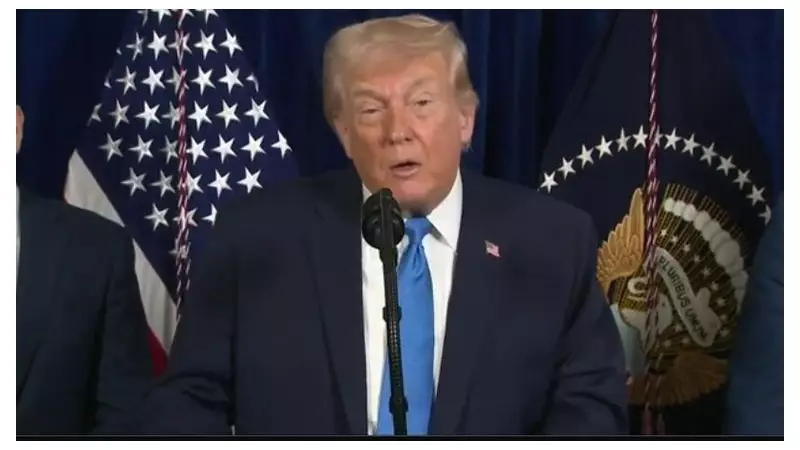
The BBC is taking legal action to have a massive $10bn defamation lawsuit filed by former US President Donald Trump dismissed, according to newly revealed court documents.
The Core of the Legal Dispute
The lawsuit stems from a near-hour-long documentary titled Trump: A Second Chance?, which was broadcast by the BBC the week before the US election. The programme featured edited clips from a speech Mr Trump gave on 6 January 2021, the day his supporters stormed the US Capitol.
The controversial edit spliced sections together to show Mr Trump saying: "We're going to walk down to the Capitol... and I'll be there with you. And we fight. We fight like hell." The former president filed twin lawsuits in Florida, each seeking $5bn in damages. One claim is for defamation, while the other alleges violation of a trade practices law.

BBC's Grounds for Dismissal
In its motion to dismiss, the BBC's legal team puts forward several key arguments. Firstly, they contend that the Florida court lacks "personal jurisdiction" over the British broadcaster. The corporation states it did not create, produce, or broadcast the documentary within the state of Florida.
Furthermore, the BBC challenges Mr Trump's claim that the documentary was available in the US via the streaming service BritBox, stating this is not true. The motion also argues that the president has "failed to state a claim" and has not plausibly alleged that the BBC published the material with "actual malice," a crucial component in US defamation law involving public figures.
The broadcaster has requested the court to halt most evidence-gathering activities by both parties while it considers the dismissal motion.
Fallout and Proposed Timeline
The saga has already had significant internal consequences for the BBC. In the wake of the controversy, both the Director-General, Tim Davie, and the head of news, Deborah Turness, resigned. Mr Davie had stated he had to "take ultimate responsibility" for the incident.
While the BBC apologised in November for an "error of judgement" in the editing process, it maintained there was no basis for a defamation claim. The corporation has previously said it would defend itself vigorously against the lawsuit.
Should the case proceed despite the BBC's motion, a trial date has been tentatively proposed for 2027.