BBC Leadership in Crisis as Resignations Spark Political Reactions
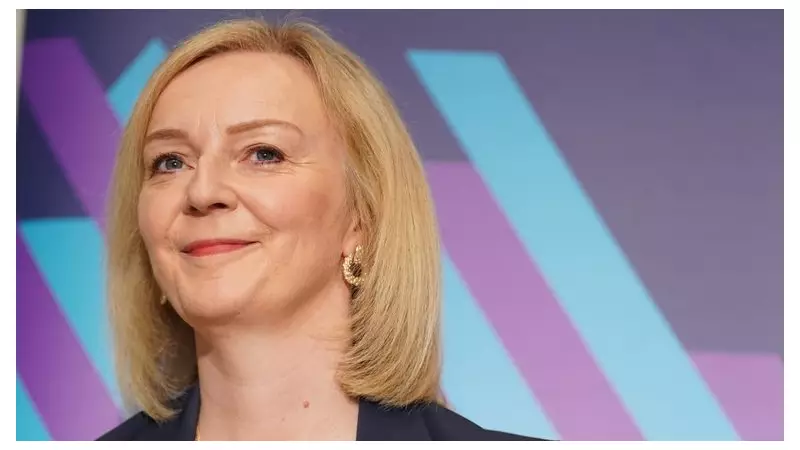
The dramatic downfall of BBC leaders has been met with undisguised glee from prominent right-wing figures in British politics, following serious concerns over editorial mistakes at the corporation. Former prime minister Liz Truss led the charge, quickly retweeting gloating posts from Donald Trump and White House press secretary Karoline Leavitt while adding clapping emojis to show her approval.
Ms Truss went beyond calling for the abolition of the licence fee, arguing for the complete end of nationalised broadcasting in Britain. Her position found support among other Conservative figures, with former home secretary Suella Braverman also demanding the licence fee be scrapped entirely.
Political Pressure Mounts on BBC Future
The criticism extended to former culture secretary Nadine Dorries, who has long advocated for similar reforms. The recent Reform convert expressed particular pessimism about the BBC's future, stating she believes its "core bias" has worsened in recent years. She commented: "I'm afraid the resignation of Tim Davie will change nothing. Under this Labour government overseeing the new appointment... it will probably get worse."

All three politicians were close allies of Boris Johnson, who played an instrumental role in increasing pressure on the BBC throughout the week. The former prime minister dramatically threatened in the Daily Mail to boycott the licence fee until Mr Davie explained what happened with the Trump Panorama documentary or resigned from his position.
Calls for Reform and Institutional Change
The official Conservative Party line appeared more measured, with shadow culture secretary Nigel Huddleston telling Sky News that "we want them to be successful." However, he and his boss Kemi Badenoch are calling for wide-ranging editorial reforms to end what they describe as "institutional bias."
Their demands include significant changes to:
- BBC Arabic coverage
- Reporting on the US and Middle East
- Stories on trans issues, which they refer to as "basic matters of biology"
Meanwhile, Nigel Farage added his voice to the debate, calling for the government to appoint a new director-general from the private sector who has "a record of coming in and turning companies and cultures around." This directly challenges the BBC's editorial independence, where the appointment of the next editor-in-chief is meant to be entirely decided by its own independent board, free from ministerial influence.
The government's response to the scandal has been relatively muted so far. Culture Secretary Lisa Nandy issued a statement thanking Mr Davie for his long service to public service broadcasting and paying tribute to the BBC as "one of our most important national institutions." Just hours before the resignation news broke, she had expressed her "complete confidence" in how BBC leadership were handling the serious allegations described in a leaked memo from Michael Prescott, a former external adviser to the corporation's editorial standards committee.
The departure of both Tim Davie and BBC News CEO Deborah Turness appeared to come as something of a shock to government officials. A more detailed government response is expected when parliament returns from recess, with the Culture Media and Sport Committee due to receive the BBC's response today, which is expected to include an apology for the Panorama edits.
Committee chair Dame Caroline Dinenage described Mr Davie's resignation as "regrettable" but emphasised that "restoring trust in the corporation must come first." The only British political leader mounting an outspoken defence of the BBC has been Liberal Democrat leader Sir Ed Davey, who argued that seeing the White House take credit for Mr Davie's downfall and attacking the BBC "should worry us all."

Sir Ed called on the prime minister and all British political leaders to stand united in "telling Trump to keep his hands off it," though given the diplomatic efforts Sir Keir Starmer has made to develop close relations with the current president, this seems unlikely to happen. For a prime minister already managing numerous challenges, controversy over the national broadcaster presents another political difficulty as the government prepares to enter negotiations about renewing the BBC's charter for the next decade.