

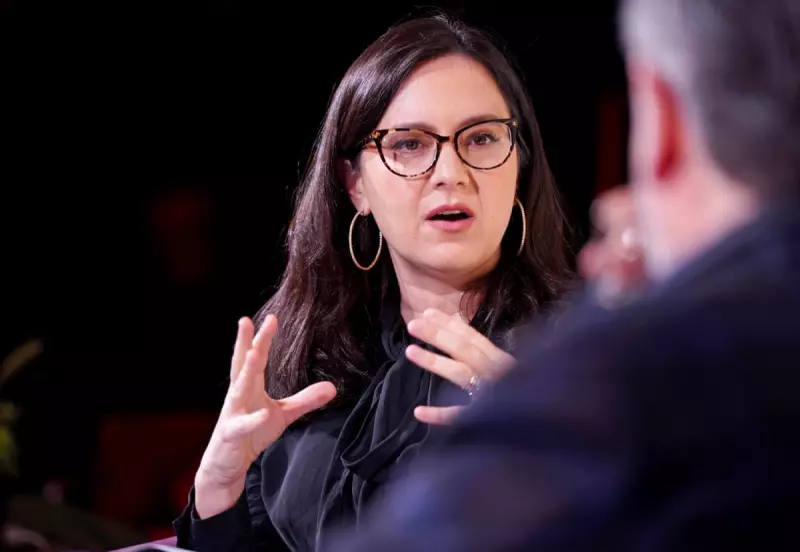
CBS News's new editor-in-chief, Bari Weiss, has publicly defended her contentious last-minute decision to pull a 60 Minutes episode investigating allegations of abuse at a notorious prison in El Salvador. The move has ignited a fierce internal and external debate about censorship and editorial independence.
The Decision and the Immediate Fallout
In a memo sent to staff on 24 December 2024, Weiss argued the network's priority was to ensure "comprehensive and fair" coverage. She stated that news organisations must work harder to regain public trust and vowed that "no amount of outrage" would derail CBS's mission. "We are not out to score points with one side of the political spectrum or to win followers on social media," the memo, co-signed by other network leaders, asserted.
The internal dispute became public after CBS announced the heavily promoted segment would not air. Weiss's action sparked immediate accusations of censorship, particularly within the context of Donald Trump's second administration. The correspondent who reported the piece, Sharyn Alfonsi, called the decision a "political one" in a private email that was later leaked.

Clashing Editorial Standards
Weiss rejected the claim that politics influenced her judgement. "Such editorial decisions can cause a firestorm, particularly on a slow news week," she wrote, adding that new standards for fairness "will surely feel controversial to those used to doing things one way." Her stated concern was that the episode lacked a sufficient response from the Trump administration.
Alfonsi countered this, revealing the segment had been screened five times and cleared by both CBS attorneys and its standards department. Her team had requested comment from the White House, State Department, and Department of Homeland Security (DHS), but received none. "If the administration’s refusal to participate becomes a valid reason to spike a story, we have effectively handed them a ‘kill switch’ for any reporting they find inconvenient," Alfonsi warned.
The episode, which has since appeared online via Canadian broadcaster Global TV, features powerful testimony from deportees about torture and abuse inside the Salvadoran prison. A federal judge recently ruled that the Trump administration violated the due process rights of over 200 Venezuelan migrants sent there from the US.
A Broader Feud and Political Context
This controversy unfolds amid a widening rift between the Trump administration and the venerable 60 Minutes. During the 2024 election, Trump declined an interview with the programme and later sued the network over its handling of an interview with his opponent, Kamala Harris. In a controversial settlement, CBS's parent company, Paramount, agreed to pay Trump $16 million.
Weiss's appointment as editor-in-chief by Paramount CEO David Ellison—son of Trump ally and billionaire Larry Ellison—was met with staff concern and scrutiny from media watchdogs. Paramount also acquired Weiss's publication, The Free Press, in a deal reportedly worth $150 million. Weiss, a former New York Times columnist with no broadcast experience, now leads one of America's most storied news divisions during a period of intense politicisation.
Meanwhile, Paramount is engaged in a hostile takeover bid for Warner Bros Discovery, a move in which Trump has indicated he plans to be involved in the regulatory review.






