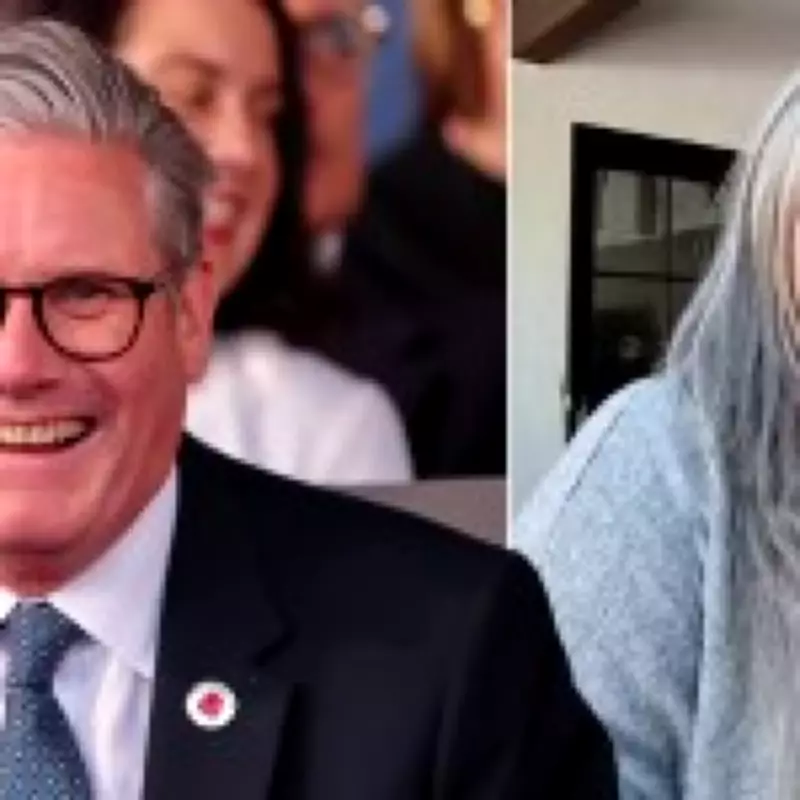
Supernanny's Social Media Plea Captivates Audiences With Unexpected Comedy Twist
In a remarkable turn of events that has captured the attention of social media users across platforms, renowned parenting expert Jo Frost has inadvertently created viral content while making a serious policy appeal. The former Supernanny star, known for her decades of family guidance, recently shared an impassioned video directed at Prime Minister Keir Starmer, urging immediate action on social media age restrictions. While her message about protecting children online resonated with many viewers, it was her distinctive pronunciation of the Prime Minister's name that truly set the internet ablaze with reactions ranging from confusion to outright hilarity.
The Pronunciation That Launched a Thousand Memes
Addressing the nation's leader directly, Frost opened her heartfelt appeal with concerns about children's online safety, but social media users quickly became fixated on her unique articulation of "Keir Starmer." Listeners variously interpreted her pronunciation as "kerr stymer" or "kurr stymer," creating immediate confusion and amusement across digital platforms. The reaction was both instantaneous and overwhelmingly gleeful, with one TikTok user famously questioning, "Who's Kerr Stymer?" while another declared, "WHO IS KERR STYMER I AM DECEASED" in their viral response to the unexpected linguistic twist.
Numerous commenters acknowledged the strength of Frost's argument while simultaneously expressing doubts about how many viewers would manage to focus on her substantive message beyond the memorable name pronunciation. Many simply confessed they were "laughing so hard at pronunciation of Keir Starmer," creating a wave of engagement that propelled the video far beyond its original intended audience. This unexpected comedic element transformed what might have been a straightforward policy discussion into a cultural moment that spread rapidly across multiple social media channels.

Substantive Message Behind the Viral Moment
Drawing upon her nearly four decades of professional experience working with families across multiple continents, Frost presented a compelling and urgent case for raising the minimum age for social media access, even as her pronunciation became the unexpected focal point. The parenting expert described observing very young children already being profoundly shaped by what she termed "fast-moving, overstimulating content," warning that this early exposure affects everything from attention spans to language development and behavioral patterns.
As children progress through developmental stages, Frost argued, the pressures only intensify significantly, with seven- and eight-year-olds being exposed to comparison culture and online influence long before they possess the psychological tools necessary to process such complex social dynamics. Teenagers face an even more challenging landscape according to the expert, struggling with fundamental questions of identity, self-worth, and emotional regulation while simultaneously navigating exposure to potentially harmful digital material.
Frost emphasized that adolescent "confidence is fragile" and "mental health is suffering" in current digital environments, noting that young brains continue developing within systems specifically designed to maximize engagement rather than support healthy psychological growth. Her proposed solution remains straightforward and clear: raise the minimum age for social media platform access from thirteen to sixteen years old, thereby granting children additional developmental time in offline environments before confronting the multifaceted pressures of online social existence.
Political Context and Parliamentary Developments
This proposal enters a political landscape where similar measures have already undergone parliamentary consideration and debate. Members of Parliament recently voted against implementing such age restriction changes for the second time this week, indicating ongoing legislative resistance to modifying current social media access policies. The timing of Frost's appeal coincides with increasing public concern about children's digital wellbeing, creating a convergence of celebrity advocacy and political discussion that has captured national attention.

Whether Prime Minister Keir Starmer—or "Kerr Stymer" as he's now humorously known in certain online circles—will ultimately act upon Frost's heartfelt plea remains uncertain as the government continues to navigate complex questions about digital regulation, children's rights, and parental responsibility in an increasingly connected world. The viral nature of this appeal ensures that the conversation will continue reaching audiences who might otherwise have remained unaware of these critical policy discussions, demonstrating how unexpected moments can sometimes serve as powerful vehicles for substantive dialogue.